





A Sea of Stories
In the heart of Kolkata lies a 900-metre stretch of road that is less a street and more a living, breathing library. This is College Street, known affectionately as Boi Para, or the Colony of Books. It is a chaotic, beautiful mess of makeshift bamboo
stalls, established publishing houses, and brick-and-mortar shops spilling onto the pavement. Here, books are not just products; they are the very atmosphere. The air smells of old paper and fresh ink, punctuated by the rumble of the city's trams and the constant hum of conversation. It is the largest book market in India, and the largest second-hand book market in the world, a place where you might find a rare first edition tucked between college textbooks or a forgotten pamphlet from a bygone era.
The Foundation of an Identity
The story of College Street is inseparable from the story of modern Bengal. Its origins trace back to the establishment of Hindu College (now Presidency University) in 1817, an institution that kickstarted a new era of liberal education. The street, named for the cluster of prestigious academic institutions that line it, quickly became the intellectual epicentre of the city and, by extension, a cradle for the Bengal Renaissance. For over two centuries, it has been a haven for students, thinkers, revolutionaries, and artists. Figures like Rabindranath Tagore and Satyajit Ray walked these paths, participating in the spirited debates or 'adda' at the iconic Indian Coffee House, a hub of intellectual and political discourse that still thrives today.
The Tides of Change
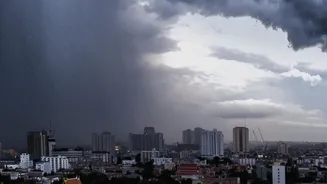
Yet, this cultural sanctuary is not immune to the pressures of the 21st century. The rise of e-commerce giants offering deep discounts and doorstep delivery has presented an existential threat. Booksellers report a drastic drop in sales, with some customers browsing stalls only to order the same book online for a few rupees less. The shift towards digital reading, the availability of scanned PDFs, and even changes in school curriculums have further eroded the traditional customer base. Beyond the digital threat, physical challenges persist. Heavy monsoon rains frequently flood the low-lying street, destroying thousands of rupees worth of books and causing emotional and financial devastation for the sellers.
An Anchor of Affection
So, why does it endure? The answer lies in the headline itself. College Street's survival is a testament to memory, affection, and cultural identity. For generations of Kolkatans, visiting Boi Para is a cherished ritual, a memory passed down from grandparent to grandchild. It is an experience that an algorithm cannot replicate: the thrill of a chance discovery, the joy of bargaining, and the intellectual conversations with booksellers who possess encyclopaedic knowledge of their wares. This affection is rooted in a deep-seated cultural identity that views Kolkata as India's cultural capital, a place where literature and intellectualism are woven into the city's soul. Boi Para is not just a market; it is a symbol of that identity—a tangible link to a rich intellectual past and a declaration that in Kolkata, books are more than just a commodity. They are companions.