






The Science of Cutting Richness
Rich vegetarian dishes, from creamy curries to ghee-laden parathas, often get their satisfying character from fats and dairy. While delicious, these components can coat the palate, making a dish feel heavy and muting other flavours. This is where acid
comes to the rescue. Lemon juice is packed with citric acid, giving it a low pH of around 2 to 2.5. When you add a squeeze of lemon to a dish, this acidity works on a chemical level to cut through the fat and oil. Think of it as a palate cleanser in every bite. The acid helps break down the heavy molecules, preventing that feeling of flavour fatigue and making the entire dish feel lighter and more balanced. It also stimulates your salivary glands, which literally makes your mouth water and enhances your ability to perceive all the complex spices in the dish.
Juice for Balance, Zest for Aroma
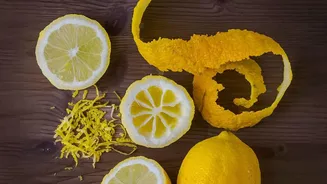
While lemon juice is a powerhouse for adding sourness and balance, overlooking the zest means you’re missing half the magic. Lemon zest, the colourful outer peel, contains aromatic oils, not acid. These oils, like limonene, provide a bright, floral, and intensely 'lemony' fragrance and flavour without adding extra tartness. This makes zest the perfect ingredient when you want to add a top note of citrus perfume without altering the dish's fundamental sourness. For example, in a sweet dish like a shrikhand or a kheer, too much acidic juice can cause the dairy to curdle or make the dessert too sour. But a little bit of zest will lend a beautiful, fresh aroma that complements the sweetness. The oils in zest are also more heat-stable than juice, meaning they can be added during cooking to infuse their flavour throughout.
A Natural Flavour Enhancer
Beyond simply adding its own flavour, lemon acts as a remarkable flavour enhancer for other ingredients. Acidity has the fascinating ability to suppress bitterness and amplify your perception of salt and sweetness. This is why a squeeze of lemon over a slightly bitter green vegetable like methi (fenugreek) or palak (spinach) can mellow its sharp edge. In a well-spiced dal, a final hit of lemon can make the saltiness seem more pronounced and the underlying sweetness of the lentils and tomatoes more vivid. It ties all the elements together, creating a more complex and harmonious flavour profile. Professional chefs often talk about balancing the five basic tastes: sweet, salty, sour, bitter, and umami. For many rich vegetarian dishes, lemon provides that essential sour element that makes everything else taste more like itself.
When and How to Use Lemon in Indian Cooking
Knowing when to add lemon is key to harnessing its power. For most hot dishes like dals, sabzis, and curries, it’s best to add the fresh juice right at the end, after turning off the heat. Cooking lemon juice for too long can destroy its fresh flavour and sometimes impart a slightly bitter taste. A final squeeze before serving preserves its bright, vibrant character. Famous South Indian Lemon Rice (Chitranna) is a perfect example where the juice is stirred in after the rice is cooked. Zest, on the other hand, can be added earlier. You can stir it into marinades for paneer or vegetables, or sauté it with your initial tempering of spices to let its aromatic oils bloom. For instance, making your own paneer at home often involves using lemon juice to curdle hot milk, showcasing its powerful effect on proteins.
Common Mistakes to Avoid
To get the best results, always use fresh lemons. Bottled lemon juice often contains preservatives and lacks the bright, clean flavour of fresh juice, sometimes carrying a metallic aftertaste. Another common error is adding too much too soon. Acidity should be a balancing act. Start with a small squeeze, stir, and taste. You can always add more, but you can’t take it away. Adding lemon juice too early to green vegetables can also cause them to lose their vibrant colour, turning them a dull olive green. Finally, be careful to only use the coloured part of the peel when zesting. The white pith underneath is bitter and can ruin the flavour of your dish.