
Central Range (Kohora): The Classic Experience
For most first-time visitors, the Central Range, also known as Kohora, is the quintessential Kaziranga experience. It is the most visited part of the park for a good reason. The landscape here is a stunning mosaic of tall elephant grass, open grasslands,
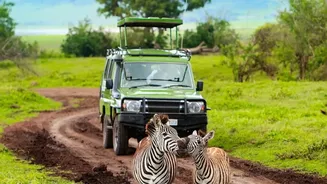
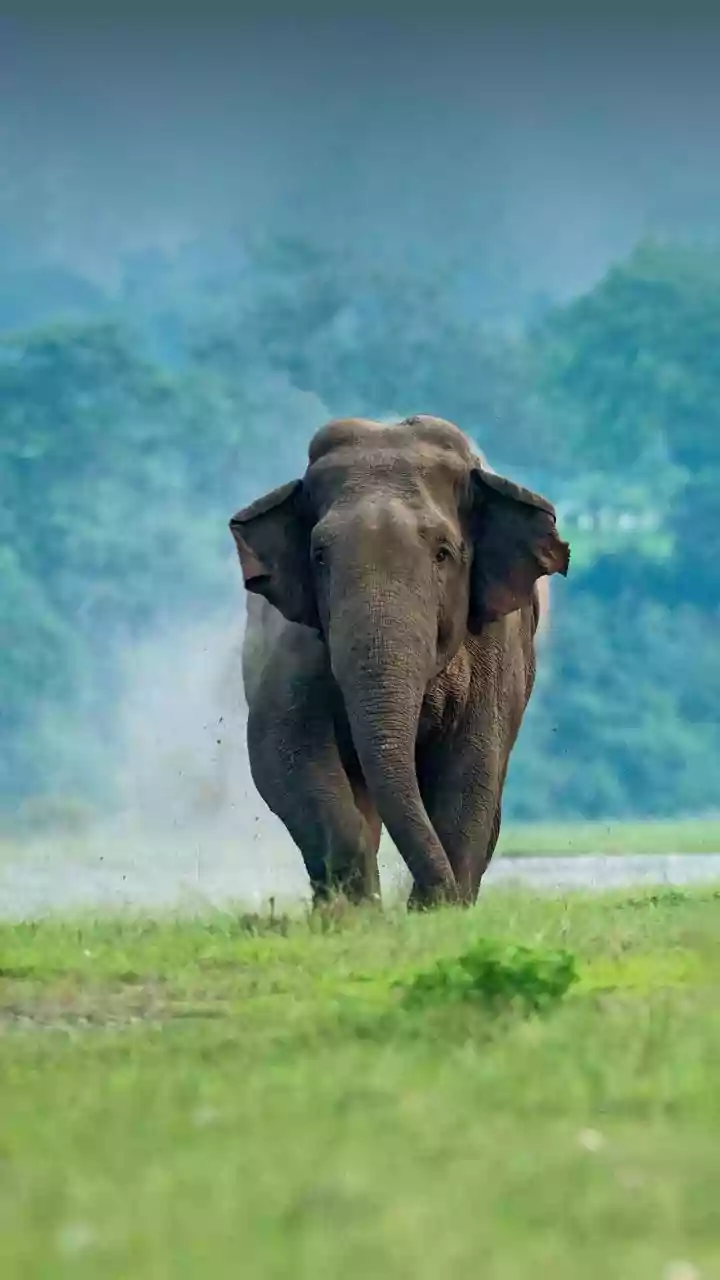
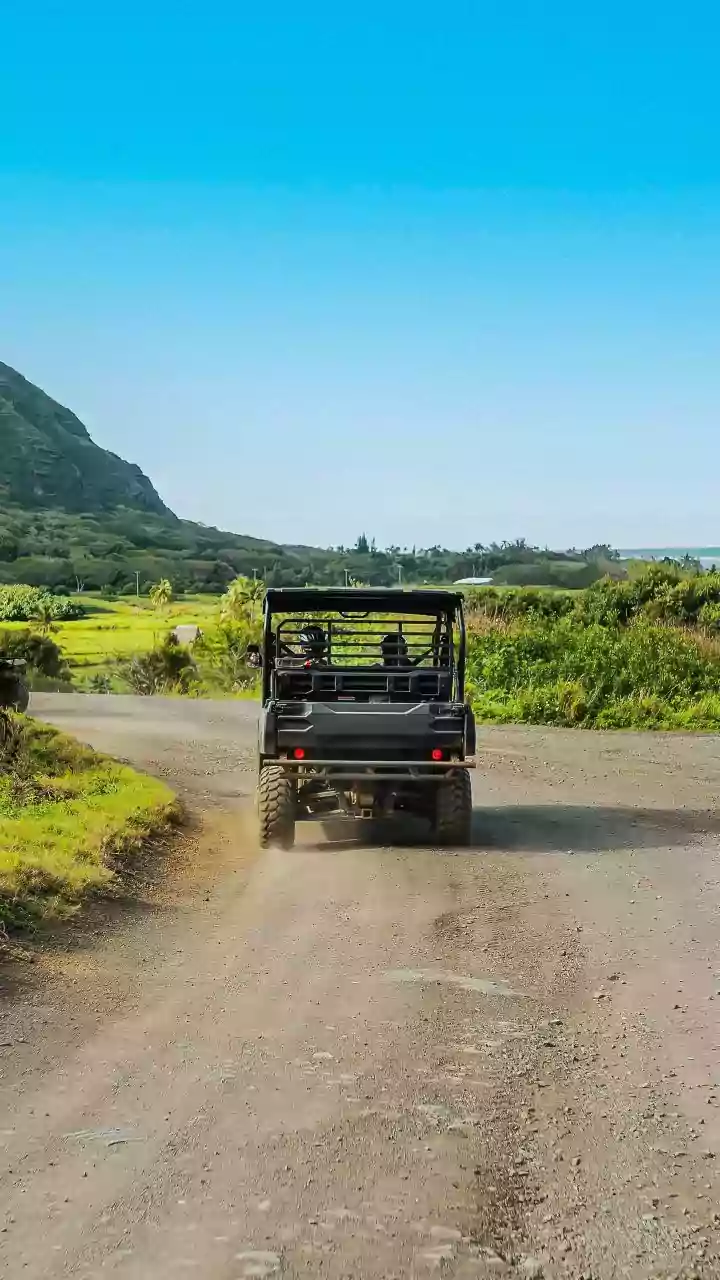
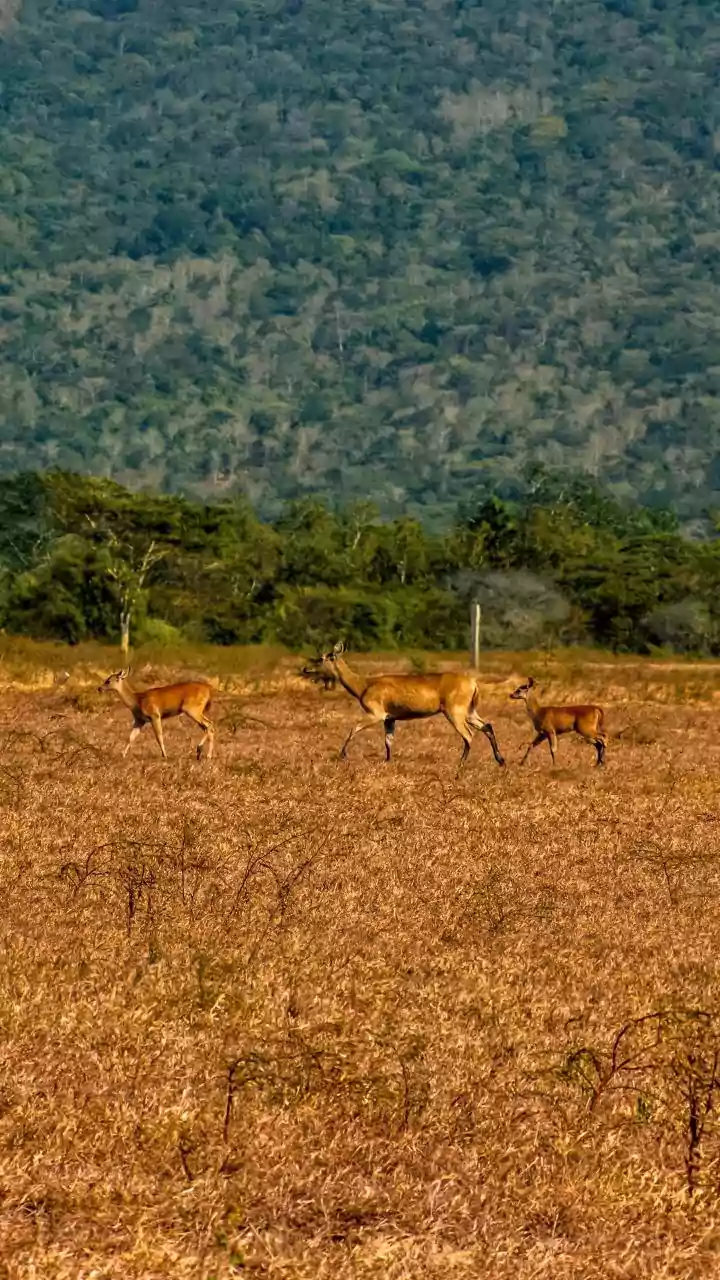
and wetlands called 'beels', offering a balanced wildlife adventure. This zone provides a high probability of spotting the park's famous residents: the great one-horned rhinoceros, Asian elephants, wild water buffalo, and swamp deer. The accessibility of this range, with many hotels and resorts located nearby, makes it a convenient and popular starting point. Both Jeep and elephant safaris are available here, giving you two distinct ways to witness the park's majesty. If you want a comprehensive introduction to Kaziranga, Kohora is the perfect choice.
Western Range (Bagori): A Photographer’s Paradise
If your goal is to get incredible photographs, especially of the one-horned rhinoceros, the Western Range at Bagori is your destination. This zone is celebrated for its wide, open grasslands and numerous water bodies, which draw rhinos and other large herbivores into plain view, often at close quarters. The visibility here is generally excellent, making it a favourite among wildlife photographers who appreciate the uncluttered backdrops. The Bagori range has one of the highest densities of rhinos in the park, and sightings are almost guaranteed. Beyond rhinos, it’s an excellent place to see wild water buffalo and swamp deer. Like the Central Range, Bagori offers both Jeep and elephant safaris, with the latter providing an incredible opportunity to get eye-level with wildlife at dawn.
Eastern Range (Agoratoli): For the Birdwatching Enthusiast
For those who find joy in the flutter of wings and the chorus of bird calls, the Eastern Range at Agoratoli is a sanctuary. Considered a paradise for birdwatchers, this zone is characterized by its extensive wetlands and proximity to the mighty Brahmaputra River. It attracts a vast number of resident and migratory birds, especially during the winter months. Look out for magnificent species like spot-billed pelicans, various storks, and Pallas's fish eagle. While rhinos and elephants are still sighted here, the experience in Agoratoli is quieter and less crowded than in the central zones. The safari here, available only by Jeep, offers a more tranquil and serene journey, allowing you to immerse yourself in the sights and sounds of the riverine ecosystem.
Burapahar Range: An Offbeat Forest Adventure
If you crave a different kind of wilderness experience away from the open grasslands, the Burapahar Range offers a unique adventure. This zone is hilly and covered in dense, moist deciduous forests, providing a stark contrast to the park's floodplain areas. The safari here feels more like an exploration through a deep jungle. While large mammal sightings like rhinos might be less frequent, the thrill lies in the terrain and the unique species it holds. Burapahar is the best place in Kaziranga to spot the Hoolock Gibbon, India's only ape, whose calls echo through the canopy. This range is ideal for trekkers and those seeking solitude, offering a peaceful and intimate connection with nature with far fewer tourists.
Planning Your Kaziranga Safari
To make the most of your getaway, a little planning goes a long way. The best time to visit Kaziranga is from November to April, when the park is open and the weather is pleasant. The park remains closed from roughly May to October due to the monsoon floods. December and January are peak months, so booking your accommodation and safaris in advance is highly recommended. Safaris can be booked online through the official Assam government portal. For a truly comprehensive experience, consider spending two to three days in the park and taking safaris in different zones. This allows you to appreciate the incredible diversity of landscapes and wildlife that make Kaziranga a UNESCO World Heritage Site.