


What is This Green Powder, Anyway?
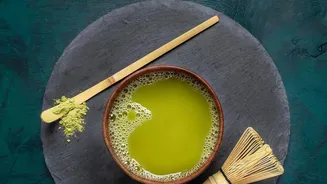
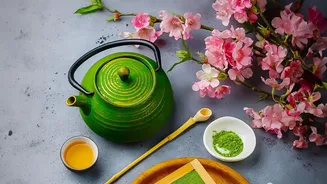
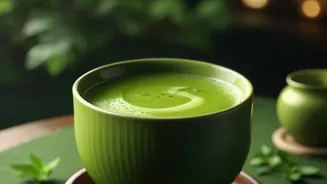
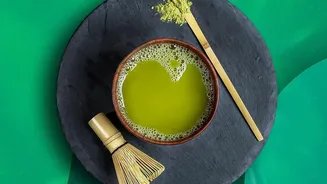
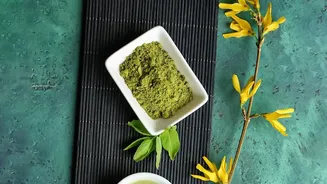
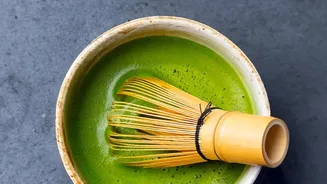
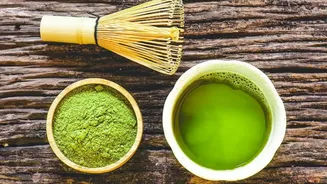
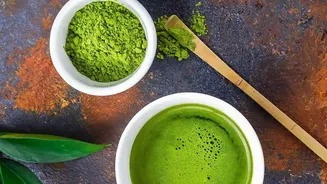
First, a quick introduction. Matcha is a finely ground powder of specially grown and processed green tea leaves, traditionally associated with Japanese tea ceremonies. Unlike regular green tea, where you steep the leaves and discard them, with matcha
you consume the entire leaf. This delivers a more potent concentration of antioxidants, vitamins, and minerals. Its flavour is often described as a balance of earthy, umami, and slightly sweet notes, a departure from the spiced, milky comfort of masala chai.
The Potent Pull of Wellness
A primary driver of matcha's popularity is its reputation as a superfood. In a country with a growing focus on wellness and mindful living, matcha's benefits are a powerful draw. It is celebrated for being packed with antioxidants, particularly EGCG (epigallocatechin gallate), which is linked to reducing inflammation and protecting heart health. For health-conscious urban consumers, it represents a clear upgrade from other beverages. This is reflected in online search behaviour, with Google Trends data showing searches for 'matcha health' and 'matcha protein' soaring by 1000% and 2500% respectively over the past year.
An 'Instagrammable' Lifestyle Statement
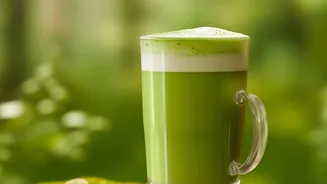
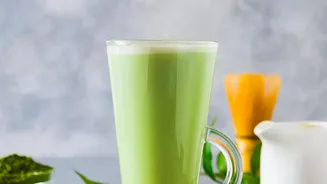
Beyond its health benefits, matcha's aesthetic appeal is undeniable. Its vivid green colour makes for a visually striking drink, perfect for social media feeds. For a generation of young, digitally-savvy Indians, particularly Millennials and Gen Z, the drink is as much a lifestyle accessory as it is a beverage. This visual allure has helped propel matcha from cafe menus into broader culture, influencing everything from desserts and makeup to fashion. The trend has even crossed over into apparel and beauty, with searches for 'matcha shoes' and 'matcha enzyme scrub' seeing breakout growth.
From Niche Cafes to Home Kitchens
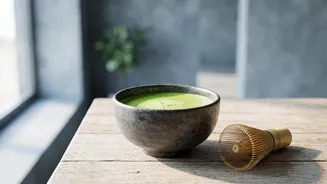
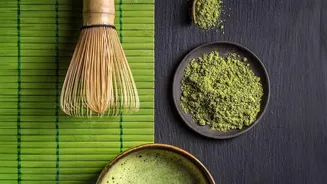
The trend began in specialty third-wave cafes in metro cities like Delhi, Mumbai, and Bengaluru, which positioned matcha as a craft beverage alongside single-origin coffee. But the movement is no longer confined to expensive lattes. A massive 1300% surge in Google searches for 'how to make matcha' over the past year signals a significant shift towards home preparation. Indians are now investing in matcha kits, whisks, and bowls, turning the beverage into a daily home ritual. This DIY culture is making the trend more accessible, moving it beyond urban hubs like Delhi, Goa, and Chandigarh, which initially led the search interest.
A New Ritual in a Tea-Loving Nation
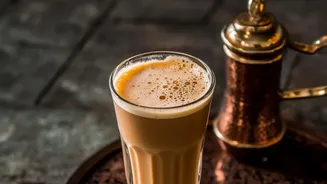
So, is matcha replacing India's beloved chai? Not at all. Instead, it is finding its own place in a diverse and evolving beverage landscape. While chai remains deeply embedded in daily social rituals, matcha offers a different kind of experience—one often associated with mindful focus and calm energy. This is due to L-theanine, an amino acid in matcha that provides a steadier, less jittery energy boost compared to coffee. It's not about replacing one tradition but adding a new one, particularly for younger consumers influenced by global trends.