



Meet NASA’s Pandora Mission
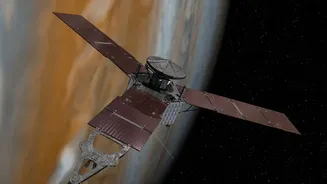
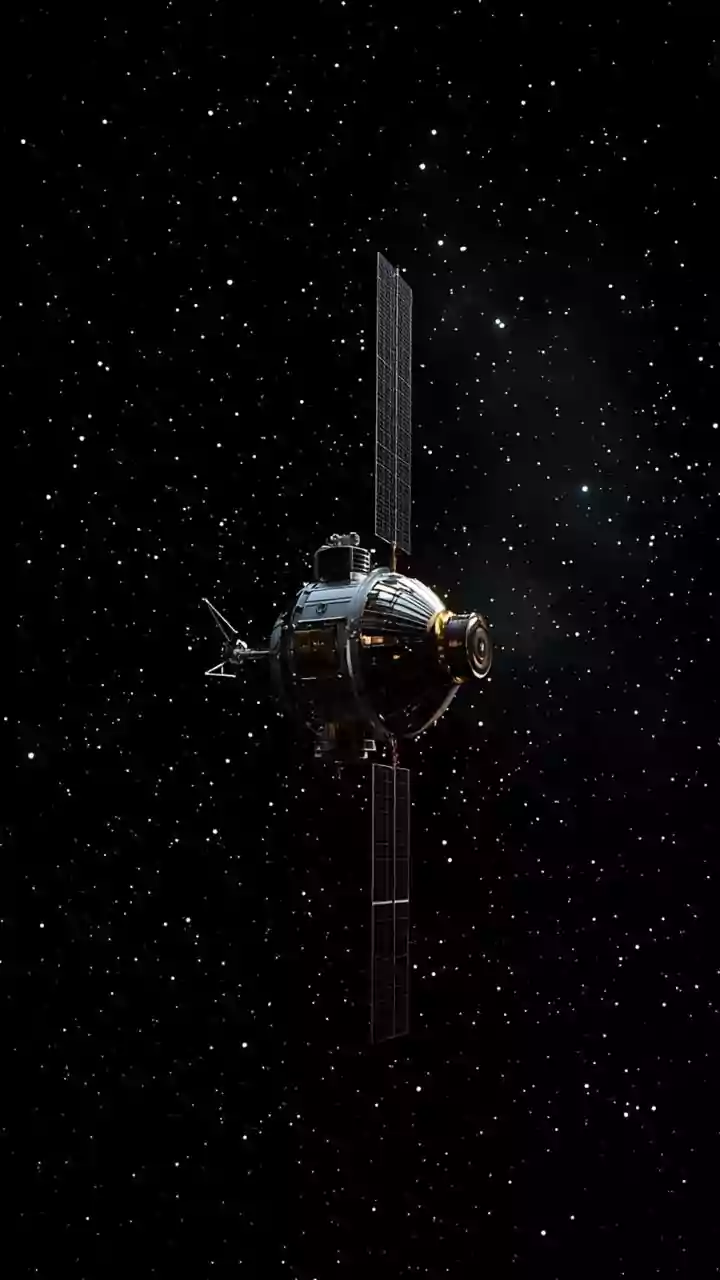
NASA's latest effort in this arena is a small but mighty satellite named Pandora, which recently began its science operations. Launched as part of the agency's Astrophysics Pioneers program, this low-cost SmallSat has a highly specialized job: to study
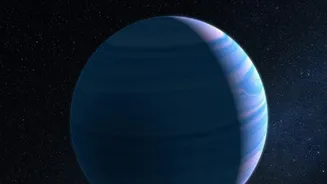
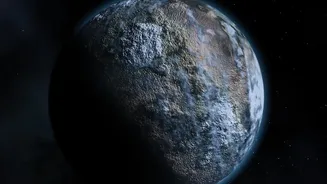
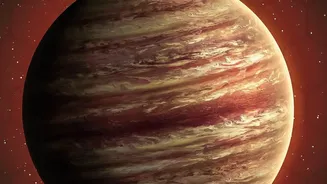
the atmospheres of at least 20 exoplanets in unprecedented detail. Unlike larger, general-purpose observatories such as the James Webb Space Telescope (JWST), Pandora is designed to do one thing and do it exceptionally well. It will stare at each target planet for long periods, observing it simultaneously in both visible and infrared light to solve a vexing problem that has complicated the search for life beyond Earth.
The Great Atmospheric Puzzle
The core issue Pandora is built to address is 'atmospheric uncertainty.' When a planet passes in front of its star—an event called a transit—starlight filters through its atmosphere. Telescopes like JWST can analyze this light to spot the chemical fingerprints of molecules like water, methane, or carbon dioxide. The problem is that the host star itself is not a perfect, uniform ball of light. It has cooler, darker regions similar to sunspots and hotter, brighter spots that can change and rotate. These stellar features can create signals that mimic or distort the chemical signatures coming from the planet's atmosphere. This makes it incredibly difficult for scientists to be certain if the water they detect is truly in the planet's sky or if it's a false signal created by a spot on the star.
Technology to Clear the Air
Pandora's strategy is to untangle these mixed signals by observing the planet and its star at the same time over extended periods. For each of its target planets, the spacecraft will conduct around ten 24-hour observations. Its instruments, which include a spare detector originally built for the JWST, will capture the star’s brightness in visible light while simultaneously analyzing the near-infrared light coming through the planet's atmosphere. By comparing these simultaneous measurements, scientists can effectively subtract the star's 'noise' from the planet's signal. This allows them to isolate the true atmospheric composition and determine whether it contains features like clouds, hazes, or key molecules such as water with much higher confidence.
Laying the Groundwork for Finding Life
Ultimately, this mission is about building a more reliable foundation for the search for habitable worlds. Before we can make claims about finding 'biosignatures'—gases that might indicate the presence of life—we need to be absolutely sure we understand the basic atmospheric conditions. Pandora’s findings will provide crucial context for the incredible data coming from JWST, helping to refine and confirm its observations. By creating a better method to distinguish between planetary and stellar signals, Pandora is developing the toolkit future missions will need. It represents a critical shift in exoplanet science from simply finding planets to truly beginning to understand them, bringing us one step closer to answering the profound question of whether we are alone in the universe.