





What is a Robotic Avatar?
The term "avatar" might bring to mind blue aliens or video game characters, but for NASA, it represents a revolutionary approach to exploration. The concept is to use a sophisticated, human-like robot as a physical stand-in for an astronaut. This robot,
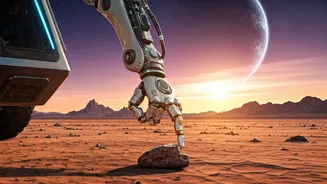
or avatar, is controlled remotely by a human operator who might be safely in orbit, or even back on Earth. Through virtual reality headsets, haptic feedback suits, and advanced controls, the astronaut can see, hear, and 'feel' what the robot experiences. This field, known as telerobotics, merges human intuition and decision-making with a robot's resilience, allowing NASA to perform complex tasks in hazardous environments without risking human life. The goal is to have these avatars perform dangerous or repetitive jobs, from setting up habitats on Mars to repairing equipment during a spacewalk.
Meet Valkyrie, The Humanoid Pioneer
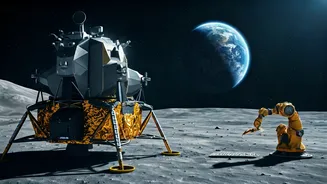
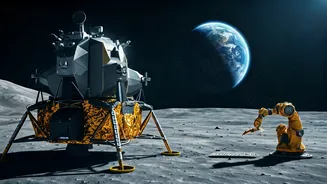
One of the key players in this initiative is a six-foot-two, 300-pound humanoid robot named Valkyrie. Developed at NASA's Johnson Space Center, Valkyrie is designed to operate in environments built for humans. It can walk, carry tools, and perform delicate tasks with its multi-fingered hands. The idea is that Valkyrie, or robots like it, could be sent to the Moon or Mars ahead of human crews. They could prepare the terrain, assemble structures, and inspect systems, ensuring everything is safe and ready before astronauts even set foot on the surface. This 'know before you go' strategy drastically reduces the risks associated with putting humans in unknown and potentially hostile settings. Valkyrie has been upgraded over the years and serves as a key platform for NASA's space robotics challenges, pushing the boundaries of what's possible.
More Than Just Remote Control
The system is more profound than simply driving a remote-controlled car. It’s about creating a sense of telepresence, where the operator feels genuinely present at the robot's location. This allows for nuanced, real-time problem-solving that fully autonomous robots can't yet manage. While artificial intelligence is advancing rapidly, allowing robots to perform more tasks on their own, the avatar concept keeps a human in the loop for critical thinking. It's the perfect partnership: the robot endures the extreme temperatures and radiation of space, while the human provides the creativity and expertise needed for complex exploration and repair. This synergy is being tested in various NASA projects, including the Human Exploration Telerobotics program, which has used robots like Robonaut 2 on the International Space Station to refine these collaborative techniques.
A Different Kind of AVATAR
Confusingly, NASA has another high-profile experiment with a similar name. The AVATAR investigation that flew on the Artemis II mission stands for A Virtual Astronaut Tissue Analog Response. This experiment uses 'organs-on-a-chip'—small devices containing human cells—to study the effects of deep space radiation on astronaut health. These chips act as biological avatars for the crew, allowing scientists to test how an individual's tissues react to the stresses of spaceflight without any risk to the astronaut. While this is a biomedical experiment and not a robotics one, it shares the same core philosophy as the telerobotics initiative: using a proxy to gather critical information and ensure human safety before venturing further into the unknown. Both projects are fundamentally about knowing before you go.
The Future of Exploration
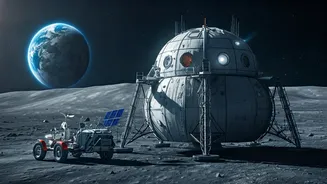
Telerobotic avatars are set to redefine the future of not just space exploration, but also challenging tasks on Earth. The same technology could one day be used to defuse bombs, manage disasters in nuclear facilities, or perform deep-sea maintenance—all without direct human risk. For NASA, this technology is a critical stepping stone for establishing a sustainable presence on the Moon and preparing for the first human missions to Mars. Instead of astronauts spending precious time and energy on dangerous setup tasks, they can arrive at a pre-prepared site, ready to focus on science and discovery. These robotic pioneers will serve as humanity's eyes, ears, and hands on distant worlds, paving the way for the next generation of human explorers.