

India's electric car market just hit a major milestone, recording a staggering 76.47% jump in sales this October compared to last year. This isn't just a number; it's a powerful signal of a shift in consumer preference and industry momentum.
Breaking Down the Record-Breaking Month
Retail sales
of electric cars in India soared to 37,049 units in October 2026, a massive 76.47% increase from the 20,995 units sold in October 2025. This growth is not just a statistical blip; it signifies a doubling of the EV market's penetration in the overall passenger vehicle space, which rose to 7.3% in October 2026 from 3.5% a year prior. The surge, partly fuelled by the festive season demand, indicates that electric vehicles are rapidly transitioning from a niche interest to a mainstream consideration for Indian car buyers. The month-on-month growth of 2.61% over September 2026 further solidifies this positive trend, showing sustained momentum in the sector.
The Key Players Dominating the Market
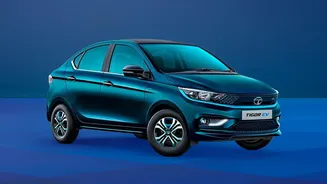
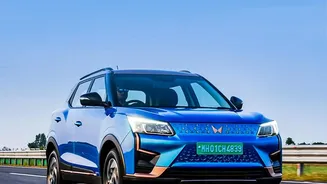
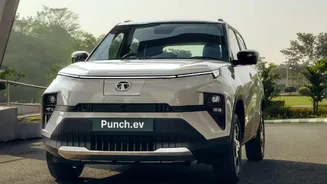
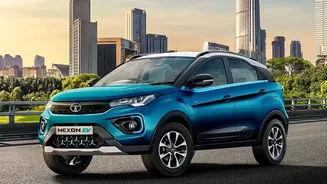
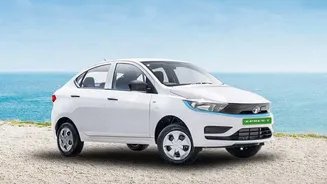
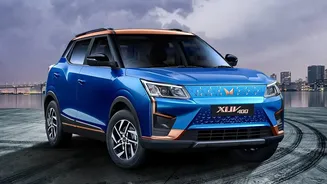
The competitive landscape of the Indian EV market is taking shape, with domestic manufacturers firmly in the driver's seat. Tata Motors continues its reign as the market leader, accounting for approximately 39.6% to 40.7% of all electric car registrations in October. The company retailed 14,669 units, marking an impressive 77.6% year-on-year growth, driven by its diverse portfolio which includes popular models like the Nexon EV, Punch EV, and Tiago EV. However, the competition is heating up. Mahindra & Mahindra has solidified its second position with a powerful 85.7% YoY growth, selling 8,538 units and capturing around 23.7% of the market. Together, these two Indian giants command over 64% of the EV market. JSW MG Motor India holds a strong third place with 5,939 units, while newer entrants like Vietnamese automaker VinFast are making remarkable inroads, showcasing the market's dynamic and expanding nature.
What's Fuelling This Electric Revolution?
Several powerful factors are converging to accelerate EV adoption in India. Government policies have played a pivotal role. Schemes like FAME-II and its successor, PM E-DRIVE, have provided crucial upfront subsidies that reduce the initial purchase price for consumers. These central incentives, often stacked with state-level benefits like road tax waivers and reduced registration fees, significantly lower the barrier to entry. Simultaneously, persistently high petrol and diesel prices have made the lower running costs of EVs a compelling economic proposition for many households. The market is also maturing, with a wider variety of models available across different price points, from compacts to SUVs, which gives consumers more choice than ever before. This expanding product landscape, coupled with a growing, albeit still developing, charging infrastructure, is helping to alleviate traditional concerns like range anxiety and making EVs a more practical choice for daily use.
The Road Ahead: Hurdles on the Horizon
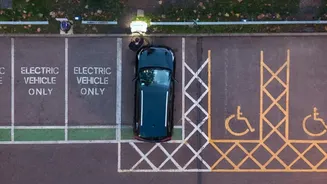
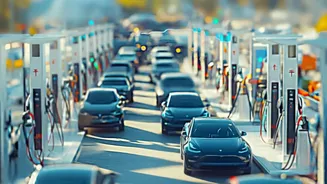
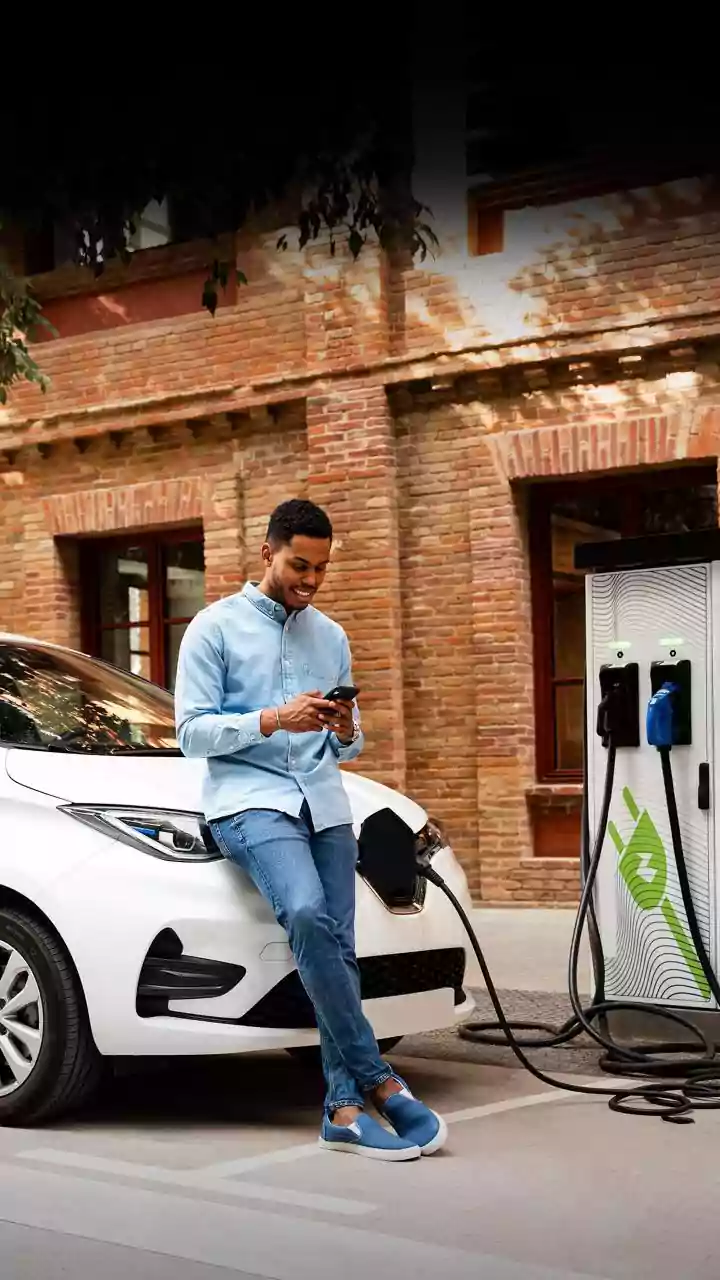
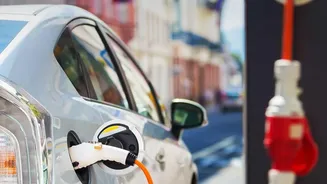
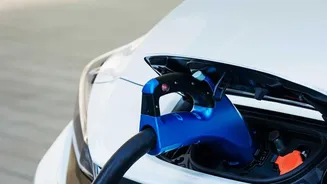
Despite the celebratory sales figures, the path to mass electrification is not without its challenges. The most significant hurdle remains the charging infrastructure. While the network is expanding, India faces a severe deficit, with a vehicle-to-charger ratio far below global benchmarks. Furthermore, a notable percentage of existing chargers are often non-operational, creating reliability issues and user frustration. The high upfront cost of EVs, even with subsidies, continues to be a major deterrent for a large segment of the population. Concerns about battery reliability, long charging times, and the dependency on imported components like battery cells and semiconductors are other critical issues that the industry and policymakers must address. Successfully navigating these obstacles will be key to sustaining the current growth trajectory and achieving India's longterm e mobility ambitions.