








What is the New Initiative?
IIT Madras, a hub of engineering excellence, is doubling down on climate action through its AI4NetZero initiative and other related programmes. A key upcoming event is the “AI in Action: Climate and Energy Systems Applications” workshop, scheduled for
August 2026. This programme is designed to train students, researchers, and industry professionals in using artificial intelligence (AI), machine learning (ML), and data science to address challenges in climate research and energy systems. The goal is to move beyond theory and equip experts with hands-on skills to work with real climate datasets, focusing on renewable energy forecasting, power-system optimisation, and advanced climate modelling. This educational push is part of a broader strategy at the institute, which includes its School of Sustainability, to become a leading centre for climate-related technology and policy in the Global South.
Why Is High-Powered Computing Essential?
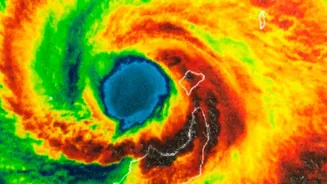
Climate change is a problem of immense data. From satellite imagery and ocean temperature readings to atmospheric aerosol concentrations and soil moisture levels, the volume of information is too vast for traditional analysis. This is where applied computing comes in. High-performance computing (HPC) systems, like India's Pratyush and Mihir supercomputers, allow scientists to run complex simulations and build predictive models. AI and ML algorithms can then sift through this data to identify patterns, improve forecasting accuracy, and optimise responses. For instance, AI can enhance cyclone intensity predictions, detect wildfires early, and create high-resolution weather models that provide village-level forecasts—a significant leap from older systems. These digital technologies are crucial for building climate resilience by enabling real-time tracking and data-driven decision-making.
Can It Improve Monsoon and Disaster Forecasting?
For India, few things are as critical as the monsoon. The agricultural sector, water security, and the economy at large depend on its timely arrival and distribution. A major practical application for applied computing lies in making these forecasts more reliable. By processing massive historical and real-time datasets, advanced models can better predict rainfall patterns, both for seasonal outlooks and extreme events like cloudbursts and floods. India has already made strides, using AI-assisted tools to improve cyclone tracking and landslide warnings in the Himalayas. An indigenous AI system now provides landslide alerts with over 90% accuracy in some regions. Programmes like those at IIT Madras aim to produce the next generation of experts who can build and refine these life-saving tools, making disaster preparedness more proactive than reactive.
What About Our Cities and Coasts?
India's rapidly growing urban centres are on the front lines of the climate crisis, facing threats from extreme heat, air pollution, and flooding. Applied computing offers powerful tools for urban planners. Digital twin technology, for example, can create a virtual replica of a city to simulate the impact of new infrastructure or the effects of a heatwave. This allows officials to test cooling strategies, manage energy grids more efficiently, and plan climate-smart infrastructure before breaking ground. For India's long coastline, which is vulnerable to sea-level rise, high-resolution modelling can pinpoint at-risk areas and inform defensive strategies. IIT Madras is already involved in projects to develop high-resolution urban heat wave predictions and map climate risks for cities.
How Does This Help the Farmer?
Ultimately, the success of these high-tech initiatives will be measured by their impact on the ground. In agriculture, the applications are direct and transformative. Accurate, hyper-local weather forecasts delivered via apps can help farmers make critical decisions about when to plant, irrigate, and harvest. The Bharat Forecasting System, launched in 2025, already provides detailed forecasts at the village level. Furthermore, AI-enhanced seasonal forecasts can improve agricultural planning and help manage risks for crop insurance. By combining weather simulations with AI, these systems can provide guidance that accounts for climate variability, helping to secure livelihoods and bolster India's food security against an uncertain future.