






A Nationwide Enforcement Blitz
India's top food regulator, the Food Safety and Standards Authority of India (FSSAI), has ordered an intense, pan-India surveillance and enforcement campaign targeting food producers and sellers. Timed to coincide with major festivals like Navratri and Diwali,
this directive has mobilized food safety officers in every state and territory to ramp up inspections, particularly in high-risk areas. The crackdown focuses on manufacturers, wholesale markets, and sweet shops, which see a dramatic spike in business. Officials have been instructed to pay special attention to milk and dairy products, sweets, edible oils, and snacks—the staples of festive indulgence. This isn't just routine oversight; it’s a targeted operation to head off a well-known public health risk that emerges every year during celebrations.
The High-Stakes World of Festive Feasts
To understand the crackdown, you have to understand the culture of Indian festivals. Celebrations are deeply intertwined with food, especially the sharing and gifting of elaborate sweets, known as 'mithai'. This creates a colossal surge in demand for key ingredients, primarily milk, ghee (clarified butter), and 'khoya'—a semi-solid dairy product that forms the base of countless traditional desserts. When demand outstrips the supply of these core ingredients, a shadow market emerges. The immense economic pressure creates a powerful incentive for some producers to cut corners, substituting pure, expensive ingredients with cheap, and often dangerous, adulterants to maximize profits. This seasonal dynamic turns a period of joy and community into the most dangerous time of year for food fraud, forcing regulators into a defensive, preemptive posture.
What's Really in That Sweet?
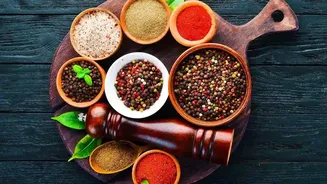
The list of potential adulterants is alarming. In the case of dairy, 'khoya' and 'paneer' (a fresh cheese) can be bulked up with starch, blotting paper, or urea, while milk itself can be diluted or mixed with detergent to create a frothy appearance. Ghee and other edible oils might be mixed with cheaper, non-edible oils. Spices like turmeric or chili powder can be contaminated with everything from sawdust and brick powder to industrial dyes to enhance their weight and color. Even the delicate, edible silver foil ('vark') used to decorate sweets is sometimes replaced with toxic aluminum foil. These substances don't just cheat consumers; they can pose serious health risks, turning festive treats into a potential source of illness. In recent raids leading up to the season, authorities have already seized and destroyed thousands of kilograms of suspected adulterated products.
How the Crackdown Works
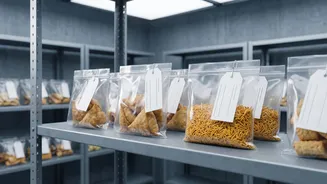
This year's enforcement effort is more systematic than ever. The FSSAI has directed officials to focus on identified 'hotspots' and sensitive production areas known for supplying large markets. A key tool in the campaign is the deployment of 'Food Safety on Wheels'—mobile testing vans that can conduct on-the-spot analysis of food samples in marketplaces, providing rapid results and boosting consumer confidence. Furthermore, authorities have mandated that all inspection and sampling data must be uploaded in real-time to a central digital portal. This creates a national database of violations, allowing for better tracking of habitual offenders and more transparent reporting. For businesses found in violation, penalties range from improvement notices for minor hygiene lapses to the suspension of licenses and seizure of stock for severe offenses.