



Chopta, Uttarakhand: The Trekker's Paradise
Often called the 'Mini Switzerland of India', Chopta is less a town and more a serene expanse of meadows nestled in the Garhwal Himalayas. Its primary purpose is to serve as a base for some of Uttarakhand's most rewarding treks, not to entertain shoppers.
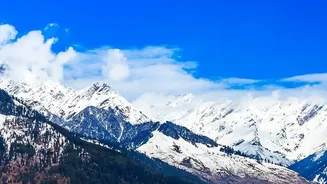
The main attraction here is the trek to Tungnath, the world's highest Shiva temple, which continues to the Chandrashila summit. From Chandrashila, you are rewarded with a breathtaking 360-degree panorama of Himalayan peaks, including Nanda Devi and Chaukhamba. There are no bustling markets or malls here; accommodation is mostly in camps and small guesthouses, encouraging a closer connection to the environment. The focus is purely on alpine beauty, dense forests, and the profound silence of the mountains. It's a destination for those who want to walk, explore, and disconnect completely. The area is also a designated bird-watching site, with hundreds of species to spot.
Tirthan Valley, Himachal Pradesh: An Eco-Tourism Haven
Flowing alongside the pristine Tirthan River, this valley is a designated eco-zone and gateway to the Great Himalayan National Park (GHNP), a UNESCO World Heritage Site. Unlike its commercialized neighbours in Himachal, Tirthan has actively resisted large-scale development in favour of sustainable, community-run tourism. The result is a valley dotted with charming homestays and riverside cottages rather than large hotels. The activities here are woven into the landscape: trout fishing in the clear river, trekking to hidden waterfalls like Chhoie, and exploring quaint villages like Gushaini and Jibhi. The area is a testament to how tourism can thrive in harmony with nature. Instead of a market street, your evenings are spent listening to the river, with the day's highlights being a walk through a pine forest or a picnic by the water.
Zuluk, Sikkim: The Historic Silk Route
Zuluk is an experience that is all about the journey. A small hamlet in East Sikkim, it was once a transit point on the historic Silk Route. Today, its main draw is the dizzying road of 32 hairpin bends that climbs the mountain. Visiting Zuluk requires a Protected Area Permit, which naturally limits the number of tourists and preserves its untouched feel. This is not a place you come to for amenities; you come for the raw, dramatic landscapes and staggering views of the Kanchenjunga range from viewpoints like Thambi. Accommodation is almost exclusively in basic but warm and welcoming homestays run by local families. The allure of Zuluk lies in its remoteness and the thrilling drive, offering a sense of adventure and seclusion that is hard to find. Foreign nationals are generally not permitted to visit this sensitive border area.
Valparai, Tamil Nadu: The Unspoiled Southern Hills
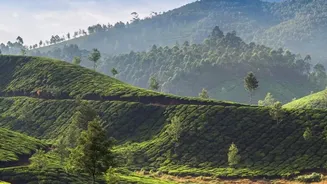
While Ooty and Kodaikanal draw massive crowds, Valparai, nestled in the Anamalai Hills of the Western Ghats, remains a tranquil escape. Surrounded by lush tea plantations, dense forests, and wildlife reserves, it's a destination for the patient traveller. The drive to Valparai itself, via a road with 40 hairpin bends, sets the tone for the adventure. The area is less about specific 'tourist spots' and more about the immersive experience of being in nature. You can visit the Anamalai Tiger Reserve, spot the endemic Nilgiri Tahr, or watch hornbills at specific viewpoints. There are numerous dams like Sholayar and Nirar that offer serene landscapes without commercialization. Valparai’s charm is its quietness and the feeling that you are a guest in a world dominated by tea gardens and wildlife.
Dzukou Valley, Nagaland: The Valley of Flowers
For the truly adventurous, Dzukou Valley, on the border of Nagaland and Manipur, is the ultimate escape from civilization. It is not a hill station in the traditional sense, but a trekking destination that offers unparalleled natural beauty. Known for its rolling meadows that get carpeted with the rare Dzukou Lily and other wildflowers during the monsoon, the valley is a high-altitude paradise. Reaching it requires a multi-hour trek from the villages of Viswema or Jakhama, which ensures that only dedicated nature lovers make the journey. There are no hotels, only a basic trekkers' hut and designated camping sites. This is a place where you carry your own supplies, respect the fragile ecosystem (it is a plastic-free zone), and are rewarded with a landscape so pure and vast it feels otherworldly. An Inner Line Permit is mandatory for non-resident visitors.