





The Unseen Magic in Our Kitchens
Fermentation is a natural process where microorganisms like yeast and bacteria get to work on the sugars and starches in food. In Indian cooking, this isn't just a technique for preservation; it's a way to create entirely new flavours, aromas, and textures.
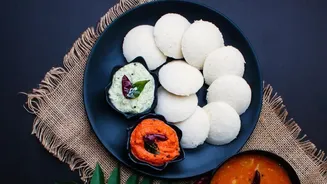
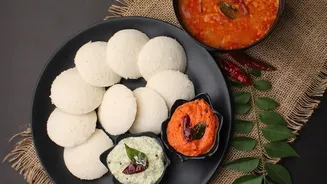
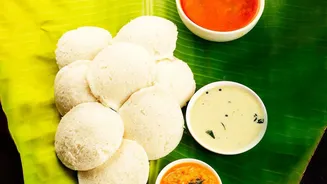
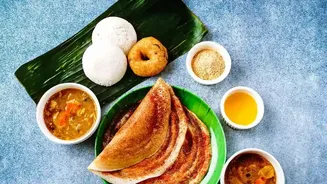
When a batter for idli, dosa, or dhokla is left to rest in a warm corner of the kitchen, it's actually hosting a bustling community of beneficial microbes that are busy transforming the ingredients into something far more delicious and digestible. This tradition of harnessing microbes is deeply rooted across India, quietly nurturing everything from batters and breads to beverages.
The Science of Spongy and Sour
The secret to the perfect idli and dosa lies in the partnership between rice and urad dal (black gram), which are soaked, ground, and left to ferment for several hours. During this time, naturally present bacteria, particularly Leuconostoc mesenteroides, get to work, producing carbon dioxide and lactic acid. The carbon dioxide gas gets trapped in the thick batter, causing it to rise and creating the light, airy, and spongy structure that makes idlis so fluffy and dosas so delicate. The lactic acid provides that characteristic mild sourness, a signature flavour that is impossible to replicate otherwise. This process essentially 'pre-digests' the food, breaking down complex carbohydrates and proteins into simpler forms.
A Tour of India's Fermented Breakfasts
While idli and dosa are the most famous ambassadors of fermented breakfasts, the tradition is vibrantly alive across the country. In Gujarat, the fluffy, steamed dhokla is made from a fermented batter of gram flour or rice and lentils. Its airy texture is a direct result of fermentation, creating a savory cake that is both light and satisfying. In Kerala, the delicate, lacey Appam is crafted from a fermented rice batter, sometimes enriched with coconut or toddy, giving it crisp edges and a soft centre. And in states like Karnataka and Andhra Pradesh, Ambali, a nutritious and cooling porridge made from fermented ragi (finger millet) or other millets, has been a staple for generations. Even the humble leftover rice is transformed into Panta Bhat in the East, a mildly fermented dish that cools the body.
More Than Just Flavour
The benefits of starting your day with a fermented breakfast go well beyond taste and texture. This ancient technique is a nutritional powerhouse. The fermentation process significantly increases the bioavailability of nutrients like B vitamins, iron, and calcium. It breaks down anti-nutrients like phytic acid, which are naturally present in grains and lentils, allowing our bodies to absorb more of the essential minerals. Furthermore, these foods are packed with probiotics—beneficial bacteria that support a healthy gut microbiome. A healthy gut is linked to better digestion, a stronger immune system, and even improved metabolic health.