







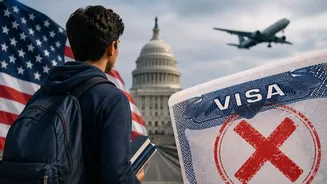
Unauthorized Employment: The Biggest Risk
The most serious and common F-1 violation is working without proper authorization. The F-1 visa's primary purpose is study, not work. On-campus employment is generally permitted up to 20 hours per week during the semester and full-time during official
breaks. However, any off-campus work requires specific authorization in the form of Curricular Practical Training (CPT) for work integrated into your curriculum, or Optional Practical Training (OPT) for post-graduation employment. Engaging in unauthorized work, which includes seemingly harmless activities like freelance gigs, babysitting, or driving for a rideshare app, is a direct violation of your status. If discovered, it can lead to immediate termination of your SEVIS record and force you to leave the country.
Academic and Enrollment Missteps
To maintain F-1 status, you must be enrolled in a full course of study at your SEVP-certified school. For undergraduates, this typically means at least 12 credit hours per semester. For graduate students, the definition of "full-time" is set by your program. Dropping below this required course load without prior authorization from your Designated School Official (DSO) is a status violation. Exceptions can be made for specific reasons, such as a documented medical condition or initial academic difficulties, but you must get approval first. Similarly, being suspended or expelled from your university for academic or disciplinary reasons will result in the termination of your F-1 status.
What Stricter Enforcement Actually Means
Recent shifts in immigration policy signal less tolerance for errors. One significant change is the move away from "duration of status" (D/S), which allowed students to stay for the length of their program. A new rule, effective September 15, 2026, imposes a fixed period of admission, often four years, after which many students will need to apply for an extension to complete their studies. This creates another procedural hurdle where non-compliance can have severe consequences. Stricter enforcement also means that actions that might have been overlooked in the past, such as a minor criminal charge or even just an arrest, can now trigger a swift visa revocation or SEVIS termination. The grace period for F-1 students to depart the U.S. after their program ends is also being shortened from 60 to 30 days under this new rule.
Procedural and Reporting Lapses
Maintaining your status isn't just about academics and work; it's also about paperwork and communication. You are required to report any change of address to your DSO within 10 days of moving. Failing to do so is a violation. You must also ensure your I-20 document is always valid and updated. If you change your major, need a program extension, or transfer to a new school, your DSO must issue a new I-20. Upon arriving in the US, you must check in with your DSO so they can report your arrival in the SEVIS system; failing to do this can jeopardize your status from the very beginning.
Your DSO Is Your Most Important Contact
Your Designated School Official (DSO) is a university employee authorized by the Department of Homeland Security to advise F-1 students and manage their SEVIS records. They are your single most important resource for any questions about your immigration status. Before you drop a class, accept an internship, travel internationally, or make any decision that could affect your visa, you must speak with your DSO. They are the only ones who can authorize a reduced course load or approve certain types of employment. Acting without their guidance is a significant risk. When in doubt, always ask your DSO first.
Consequences of Falling Out of Status
Violating your F-1 status results in your SEVIS record being terminated. This means your I-20 is no longer valid, you lose all F-1 benefits like work authorization, and you are no longer legally present in the United States. At that point, you must typically leave the country immediately to avoid accruing "unlawful presence," which can lead to bars on re-entry for 3 or 10 years. While options like applying for reinstatement exist, they are difficult, time-consuming, and not guaranteed. During a pending reinstatement application, you cannot work on or off campus. Prevention is vastly easier than trying to correct a violation after the fact.