



A Sweet Stop on a Major Artery
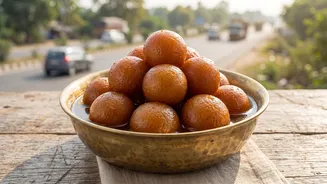
Maigalganj, located in Uttar Pradesh's Lakhimpur Kheri district, owes much of its fame to its strategic position. Situated along National Highway 30 (formerly NH-24), it has long served as a natural rest stop for countless buses, cars, and trucks journeying
between major north Indian cities. What began as a convenient halt evolved into a culinary pilgrimage. A stretch of the highway, sometimes called 'Gulab Jamun Street', is lined with dozens, some say over a hundred, sweet shops, all dedicated to this one iconic dessert. The air is thick with the aroma of frying dough and sweet syrup, and shopfronts display large woks filled with the glistening, dark spheres, beckoning weary travellers to stop and indulge.
The Origins of a Sugary Legacy
The story of Maigalganj's sweet identity reportedly began in 1941. It was then that a shop named Dhanpal Misthan Bhandar opened its doors. According to local lore passed down through generations, the founder set up a small establishment in what was then an undeveloped area, even before a proper road existed. The gulab jamuns, served fresh and hot, became incredibly popular with the few travellers who passed through. Seeing this success, other vendors began to set up shop nearby. By the 1970s, Maigalganj had become so synonymous with the sweet that it was a mandatory stop for everyone, including politicians, travelling along the route. The reputation was cemented not by a royal kitchen, but by the consistent quality that kept people coming back.
What Makes Maigalganj's Jamuns Special?
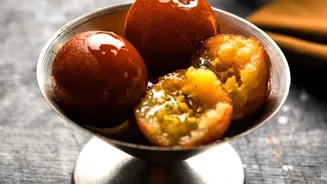
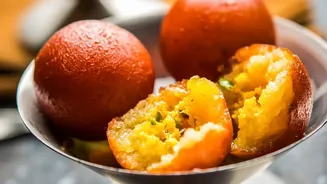
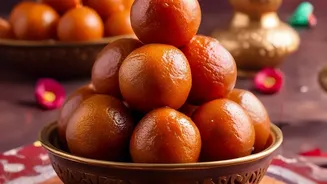
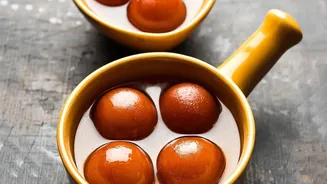
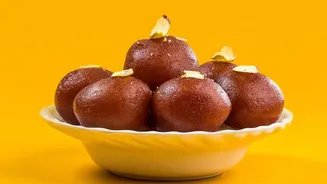
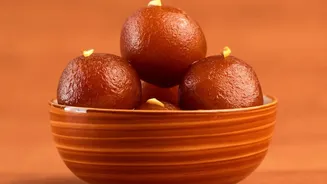
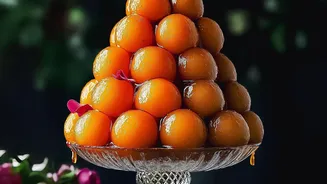
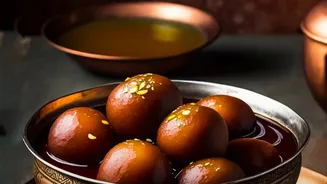
While gulab jamun is a beloved sweet across India, the Maigalganj version has a reputation for freshness and texture. The key ingredient is khoya, or milk solids, sourced from local producers, which is kneaded into a soft dough with a small amount of flour. These balls are then deep-fried to a rich, dark brown and soaked in a carefully prepared sugar syrup. The vendors here have perfected the art of serving them piping hot, often in traditional earthenware bowls called 'matkas', which enhances the experience. The result is a dessert that is incredibly soft and spongy, allowing it to soak up the perfect amount of syrup without becoming overly sweet. It's this commitment to serving a fresh, hot product that sets it apart from pre-packaged alternatives.
An Engine for the Local Economy
This culinary tradition is more than just a claim to fame; it is the economic backbone of Maigalganj. The cluster of over a hundred shops supports numerous local families, from the owners and sweet makers to the milk suppliers in the surrounding region. The competition is friendly, with many shopkeepers acknowledging there's enough business for everyone. In fact, many shops share similar names, such as 'Mashoor Gulab Jamun Ki Purani Dukaan', which translates to 'Famous Old Gulab Jamun Shop', all capitalizing on the town's collective reputation. As one long-time worker noted, if you were to remove the gulab jamuns from the equation, Maigalganj would be just another anonymous village on the highway. It’s the sweet that has literally put it on the map.