



The Animals of Jemaa el-Fna, Marrakech
The Jemaa el-Fna square is the pulsing heart of Marrakech, a whirlwind of storytellers, musicians, and food stalls. However, it's also known for snake charmers and men with chained Barbary macaques used as photo props. Animal welfare groups have documented
that these wild animals are often kept in poor conditions, with their use as props for tourist photos considered illegal but tolerated. The experience can be deeply unsettling for many visitors who witness the treatment of these creatures. WHAT TO CONSIDER INSTEAD Embrace the incredible energy of the square by focusing on its human artistry. Listen to the traditional Gnawa musicians, gather around a 'halqa' (storytelling circle), or sample the incredible street food from the vendors that set up each evening. For an ethical animal encounter, consider a day trip to a sanctuary like Jarjeer Mule and Donkey Refuge, located just outside the city, which provides care for working animals in need.
The Chouara Tannery, Fez
The view over the Chouara Tannery, with its ancient stone vats filled with colorful dyes, is one of Fez's most iconic images. It offers a glimpse into a centuries-old leather-making process. The debate here is less about the craft itself and more about the tourist experience. Many visitors report being led through specific leather shops where aggressive sales tactics are common, and the smell can be overwhelming. There are also long-standing concerns about the health impacts on workers and the environmental pollution from the dyes. WHAT TO CONSIDER INSTEAD For a less pressured experience, seek out smaller artisan workshops throughout the Fez medina. You can find skilled craftspeople working on everything from brass lanterns to intricate zellij tilework. This allows you to support local artisans directly in a calmer environment. Alternatively, if your interest is in historical sites, visit the Al-Attarine or Bou Inania Madrasas to see some of the most stunning examples of Marinid architecture in Morocco.
Mass-Market Desert Camel Treks
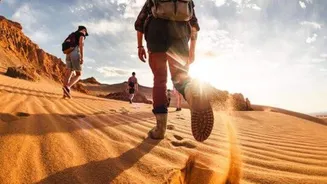
A camel trek into the Sahara Desert to sleep under the stars is a bucket-list dream for many. The issue arises with the mass-market tours, where the welfare of the camels can be questionable. Concerns include overwork, poor nutrition, and inadequate rest. The experience itself can sometimes feel less like a serene desert adventure and more like a crowded convoy, diminishing the magic of the landscape. WHAT TO CONSIDER INSTEAD Do your research and choose a tour operator with a public commitment to animal welfare. Look for companies that limit riding time, ensure camels carry only one person, and provide proper rest and veterinary care. As an entirely different alternative, consider a hiking trip in the Atlas Mountains. Staying in a village like Imlil offers breathtaking scenery, insight into Berber culture, and a chance to explore Morocco's natural beauty on foot, far from any crowds.
Chefchaouen, The 'Blue Pearl'
Nestled in the Rif Mountains, the blue-washed walls of Chefchaouen are undeniably beautiful and a photographer's delight. Its immense popularity, largely driven by social media, is also its biggest challenge. The town is often described as being overrun with tourists, with visitors sometimes lining up in narrow alleys to get the perfect 'Instagrammable' shot. This has led to concerns that the city is losing its authentic character and becoming more of a backdrop than a living town. WHAT TO CONSIDER INSTEAD To experience the magic without the masses, arrive early in the morning before the day-trippers pour in. For a different but equally charming mountain town experience, visit Tétouan. Its UNESCO-listed medina features beautiful, white-washed Andalusian architecture and offers a more authentic, less crowded glimpse into northern Moroccan life.
Jardin Majorelle, Marrakech
This world-famous garden, restored by fashion icon Yves Saint Laurent, is known for its striking 'Majorelle Blue' villa and impressive collection of cacti. The debate here is purely about the visitor experience. With over 850,000 visitors annually, it is one of Morocco's most visited sites, and many find it impossibly crowded. Long queues, the need to book tickets far in advance, and paths packed with people taking photos can detract from the intended tranquility of the oasis. WHAT TO CONSIDER INSTEAD For a serene garden escape right in the heart of the medina, visit Le Jardin Secret. This beautifully restored 400-year-old palace complex features a traditional Islamic garden and an exotic garden, offering a genuine sense of peace away from the city's hustle. It's often much quieter, allowing you to relax and appreciate the space without the crowds.