






A Symphony of Greens
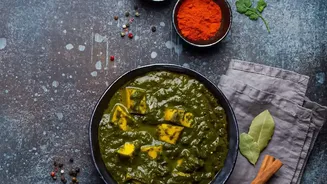
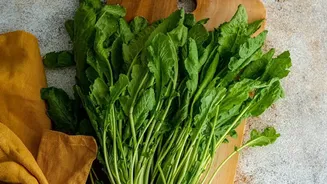
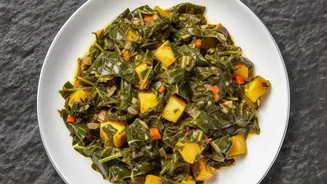
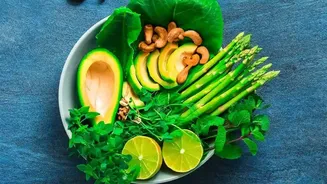
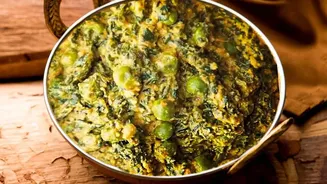
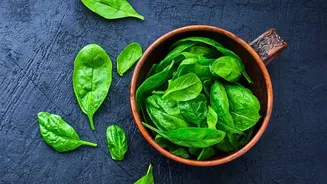
At its heart, saag is a celebration of winter greens. The most common base is mustard greens (sarson), often blended with others like spinach (palak), fenugreek (methi), or bathua (chenopodium) for a more complex flavour and nutritional profile. These
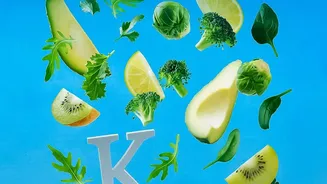
leaves are packed with essential nutrients. Mustard greens themselves are a fantastic source of vitamins K, A, and C, as well as iron and antioxidants. Spinach adds a healthy dose of iron, calcium, and magnesium. Bathua, another popular addition, is rich in calcium and vitamin C. Collectively, these greens provide a substantial amount of dietary fibre, which is crucial for good digestion and feeling full. They are naturally low in calories but dense in micronutrients that support everything from bone health and immunity to eye health.
More Than Just Leaves: The Supporting Cast
A good saag is never just about the greens. The aromatics and fats used in its preparation are just as important. Ginger and garlic, typically ground into a paste, form the flavour backbone of the dish. But they do more than just add taste; both are known for their powerful health properties. Garlic contains allicin and ginger has gingerol, compounds that have anti-inflammatory and immune-boosting effects. They also aid digestion, which is one of the reasons saag is considered such a comforting meal. Then there is the fat, usually ghee or butter. While it adds calories, a moderate amount of high-quality fat is essential. It not only enhances the flavour but is crucial for absorbing fat-soluble vitamins like A, D, E, and K, which are abundant in the greens. Ghee is also a source of butyrate, a fatty acid that can help reduce inflammation.
The Cooking Conundrum
How saag is cooked significantly impacts its final nutritional value. The traditional slow-cooking process helps break down the tough cellular walls of the greens, making certain nutrients more available for the body to absorb. For example, cooking can increase the bioavailability of carotenoids, which are important antioxidants. However, there is a trade-off. Some water-soluble vitamins, particularly vitamin C and B vitamins, can be lost during prolonged boiling if the water is discarded. The key is to cook the greens just long enough to make them tender and easy to digest, preferably using minimal water that gets absorbed back into the dish. This method ensures you get the benefits of easier digestion and nutrient release without losing too many of the heat-sensitive vitamins.
The Whole Is Greater Than the Sum of Its Parts
This brings us to the central idea: the nutritional power of saag is unlocked by the 'whole diet'. A single healthy dish cannot compensate for an otherwise poor diet. The benefits of saag are magnified when it is part of a balanced meal. The classic pairing of sarson ka saag with makki di roti (a flatbread made from maize flour) is a perfect example of food synergy. The roti provides complex carbohydrates and additional fibre, creating a complete protein profile when combined with the greens. Adding a dollop of white butter or ghee not only tastes delicious but, as mentioned, aids nutrient absorption. However, loading your saag with excessive cream or butter, or eating it alongside fried foods, can quickly turn a healthy meal into a high-calorie one, diminishing its benefits. The context of your entire plate—and your overall dietary pattern—matters immensely.
How to Maximise Your Saag’s Benefits
To get the most out of your saag, a mindful approach works best. When making it at home, use a variety of greens to broaden the nutrient spectrum. Be moderate with the amount of ghee, butter, or cream you add; use just enough for flavour and nutrient absorption. Pair it with whole grains like makki di roti, whole wheat chapati, or brown rice to ensure a balanced meal. Avoid the temptation to serve it with heavily processed or fried accompaniments. By thinking of saag not as an isolated 'superfood' but as a component of a nourishing, whole-foods-based meal, you honour both its cultural heritage and its true nutritional potential.