






The Gridlock We Know Too Well
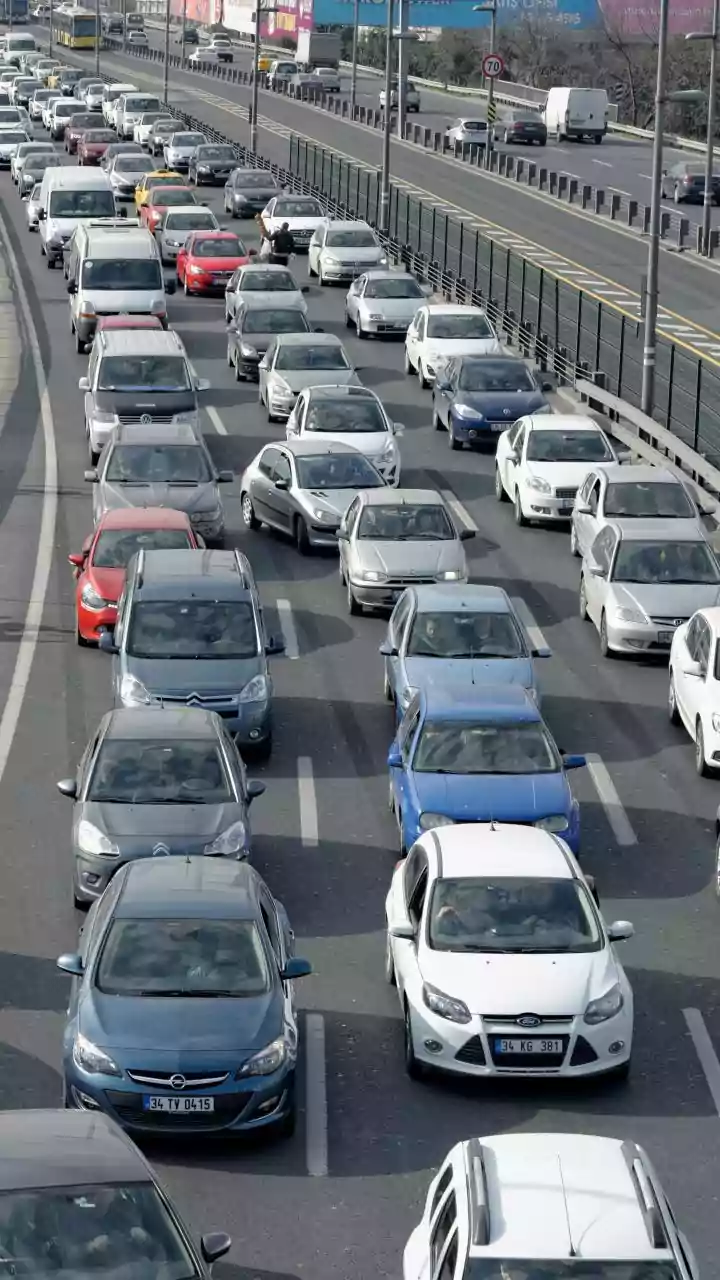
For anyone who navigates Delhi's roads, traffic congestion is a daily battle. With over 7.1 million active registered vehicles, the city's infrastructure has been struggling to keep up. Most of the capital's 1,500-plus traffic signals run on fixed timers,
unable to adapt to the unpredictable ebb and flow of traffic. This leads to frustrating delays, increased pollution, and a system heavily reliant on manual intervention. This long-standing problem has now prompted one of the most ambitious technological overhauls in the city's history, aiming to replace outdated methods with a responsive, intelligent network.
Enter the Intelligent Traffic Management System
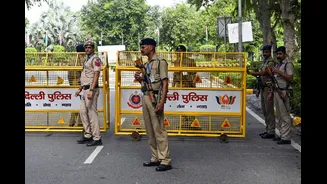
The Union Cabinet has given the green light to the Intelligent Traffic Management System (ITMS), a high-tech solution with a hefty price tag of Rs 1,789.52 crore. Implemented by the Delhi Police, the project aims to add a 'brain' to the city's traffic infrastructure. It will integrate traffic signals, CCTV cameras, and AI capabilities into a single, unified command-and-control system. The goal is to manage the existing road network more intelligently, using real-time data to make decisions that were previously impossible. The Centre for Development of Advanced Computing (C-DAC) will serve as the project management consultant, overseeing the technical aspects of this massive undertaking.
How AI Will Tame the Traffic
The core of the ITMS is its use of artificial intelligence. Instead of fixed timers, 1,092 junctions will get 'adaptive' traffic signals. These smart signals will use cameras and sensors to analyze real-time traffic density and dynamically adjust red and green light durations to optimize flow and reduce stoppages. The system will also feature a massive expansion of automated enforcement at over 1,000 locations. AI-powered cameras will automatically detect violations like red-light jumping, speeding, wrong-way driving, and not wearing helmets or seatbelts, issuing challans without manual intervention. This technology will also help identify stolen or hot-listed vehicles, adding a layer of security.
More Than Just Faster Commutes
The benefits of the ITMS extend beyond reducing daily congestion. A key feature is the creation of 'green corridors' for emergency vehicles. Ambulances and fire trucks fitted with special sensors can communicate with the traffic signals, which will automatically turn green to ensure a clear path, dramatically cutting down response times. For commuters, the system will provide live updates on traffic conditions, diversions, and even parking availability through variable message signs and digital platforms, which could be shared with navigation apps. This will allow drivers to make better-informed decisions before and during their journey.
The 24-Month Rollout Plan
This city-wide transformation won't happen overnight. The project is structured in three phases over a 24-month period. Phase 1, set to be completed within the first 12 months, will target five major traffic corridors, upgrading 250 signal junctions and setting up 271 enforcement points. Phase 2 will follow within 18 months, expanding to seven more corridors with an additional 222 smart signals and 236 enforcement cameras. The final phase will complete the rollout across all 42 identified key corridors. This phased approach allows authorities to test the system, iron out any bugs, and ensure each stage meets performance standards before moving to the next.