






Myth: Creatine Is a Steroid
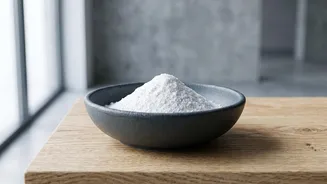
This is one of the most common and incorrect assumptions about creatine. Let's be clear: creatine is not an anabolic steroid. Chemically, they are entirely different. Creatine is an amino acid derivative that your body naturally produces in the liver,
kidneys, and pancreas. Its job is to help supply energy to your muscle cells. Anabolic steroids, on the other hand, are synthetic versions of the hormone testosterone and are classified as drugs. They work by interacting with your body's endocrine system, something creatine does not do. The International Society of Sports Nutrition (ISSN) and other health bodies recognize creatine as a legal and safe dietary supplement, not a controlled substance like steroids.
Myth: It Will Damage Your Kidneys
The fear of kidney damage often comes from a misunderstanding of how kidney function is measured. Creatine supplementation can slightly elevate blood levels of creatinine, a waste product used to assess kidney health. However, for creatine users, this rise doesn't indicate kidney damage but is a normal byproduct of breaking down more creatine. Extensive research, including numerous long-term studies in healthy individuals, has consistently found that taking creatine at recommended doses (typically 3-5 grams daily) does not harm kidney function. Major reviews and position stands from sports nutrition bodies confirm that for people with healthy kidneys, creatine is safe and does not cause renal issues. Individuals with pre-existing kidney disease, however, should always consult a doctor before taking any supplements.
Myth: It Causes Hair Loss
The link between creatine and hair loss is a persistent rumour that originates from a single, small study conducted in 2009. This study found that creatine supplementation increased levels of dihydrotestosterone (DHT), a hormone associated with male pattern baldness. However, the study did not actually measure hair loss, only the change in DHT levels. Crucially, this finding has not been replicated in subsequent research. Numerous follow-up studies have found no significant impact on relevant hormone levels or any direct link to hair loss. A 2024 trial specifically examining this found no significant changes in DHT or visible hair density after 12 weeks of creatine use. The overwhelming scientific consensus is that there is no direct evidence proving creatine causes hair loss.
Myth: You'll Get Dehydrated and Cramp
Contrary to anecdotal reports, scientific evidence does not support the idea that creatine causes dehydration or muscle cramps. This myth likely started because creatine works by drawing water into muscle cells, leading some to theorize this would leave less water available for other bodily functions. However, research shows the opposite may be true. By increasing intracellular water, creatine can improve a person's hydration status and may even help reduce the risk of cramping and heat-related illness during exercise. Multiple controlled studies, including those on athletes training in hot conditions, have found that creatine users had a significantly lower incidence of cramping, dehydration, and muscle injuries compared to those not taking the supplement.
Myth: It's Unsafe for Teenagers
The question of safety for adolescents is more about supervision and responsible use than inherent danger. While many medical bodies have traditionally recommended creatine only for those over 18 due to a lack of long-term data, the stance is evolving. The International Society of Sports Nutrition (ISSN) states that creatine use can be acceptable for young athletes, provided they are well-nourished, involved in supervised competitive training, and understand how to use it properly. The ISSN views it as a potentially safer alternative to anabolic steroids. Short-term studies on adolescent athletes have not shown adverse effects on kidney or liver function when taken at recommended doses. The primary concern remains ensuring quality products are used and that supplementation complements, rather than replaces, a good diet and proper training.