






A Nutritional Powerhouse in a Tiny Seed
Don’t be fooled by their small size; sesame seeds are packed with an impressive array of nutrients. They are a good source of plant-based protein, which is essential for building everything from muscles to hormones. They also provide significant dietary
fibre, which is well-known for supporting digestive health and can play a role in reducing the risk of heart disease and type 2 diabetes. Beyond protein and fibre, sesame seeds are rich in healthy fats, primarily monounsaturated and polyunsaturated fats. These are the types of fats that studies show can help lower cholesterol when they replace saturated fats in the diet. They also contain a host of essential minerals, including copper, magnesium, iron, and zinc, all of which play vital roles in keeping our bodies functioning optimally.
The Heart of the Matter: Lignans and Phytosterols
What truly makes sesame seeds stand out in conversations about heart health are two specific types of plant compounds: lignans and phytosterols. Sesame seeds contain unique lignans, such as sesamin, which function as antioxidants. Antioxidants help combat oxidative stress, a process that can damage cells and contribute to chronic diseases. Some studies suggest the lignans and high magnesium content in sesame seeds may help in maintaining healthy blood pressure. Furthermore, sesame seeds rank among the highest of all nuts and seeds for their content of phytosterols. These compounds are structurally similar to cholesterol and work by helping to block cholesterol absorption in your digestive system, which may contribute to lower overall cholesterol levels.
Embrace Food, Not a Pharmacy
While the benefits are promising, it's crucial to frame them correctly. The headline says it best: sesame is a food, not a medicine. Viewing any single food as a 'cure' can lead to an unhealthy and restrictive mindset. This is sometimes referred to as 'food morality,' where foods are labelled 'good' or 'bad,' creating feelings of guilt or anxiety around eating. An obsession with eating only 'healthy' foods can sometimes develop into a condition known as orthorexia, where the fixation on food quality becomes physically and emotionally damaging. A heart-conscious lifestyle is built on a foundation of a balanced and varied diet, regular physical activity, and stress management. Sesame seeds can be a valuable component of that diet, but they are not a magic bullet. True health comes from the sum of all your lifestyle choices, not from relying on a single 'superfood'.
Bringing Sesame to Your Table
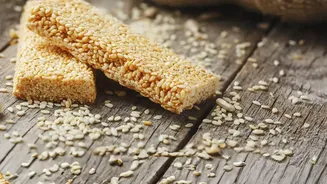
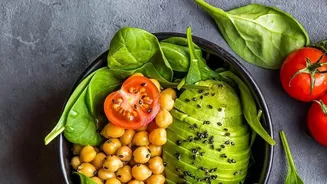
Incorporating sesame into your diet is both easy and delicious. The nutty flavour and satisfying crunch can enhance a wide variety of dishes. To bring out their flavour, you can lightly roast them in a dry pan for a few minutes until they turn a light golden brown. Sprinkle them over salads, stir-fries, or steamed vegetables. Add them to the dough for rotis or breads, or blend them into smoothies for a nutrient boost. Tahini, a paste made from ground sesame seeds, is the base for hummus and can be used to create creamy, nutty salad dressings or sauces. Sesame oil, particularly toasted sesame oil, adds a rich flavour to marinades and finishing drizzlers. With so many options, it's simple to make these nutritious seeds a regular feature in your meals.
A Note on Moderation and Preparation
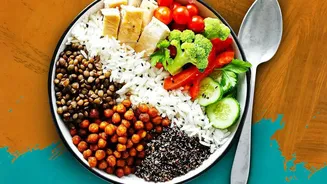
While sesame seeds are incredibly nutritious, they are also calorie-dense due to their high oil content. Moderation is key. A small handful, or a tablespoon or two, per day is a reasonable amount to gain benefits without overdoing it. It’s also worth noting that the form of sesame matters. The hull of the seed contains some nutrients, but it also has compounds like oxalates that can slightly hinder mineral absorption. Soaking, roasting, or sprouting the seeds can help reduce these compounds and make the nutrients more available to your body. Ultimately, the best way to eat sesame seeds is the way you enjoy most, as long as it’s part of a varied and balanced plate.