





More Than Just a Dip
To call a chutney a mere condiment or dip is to miss the point entirely. Derived from the Hindi word 'chatna', which means 'to lick', these accompaniments are fundamental to the Indian culinary structure. They are not an afterthought but an integral component
designed to complete a dish. Their primary role is to provide balance. A chutney can add moisture to a dry dish, cut through the richness of a fried one, introduce a contrasting temperature, or round out a flavour profile with a sweet, sour, spicy, or tangy note. In many ways, a breakfast platter of, say, vada or kachori without its designated chutneys would be considered incomplete, its flavours muted and its textures monotonous.
The Southern Breakfast Trinity
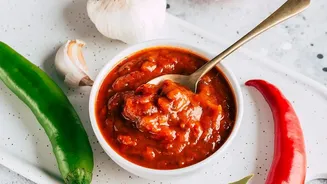
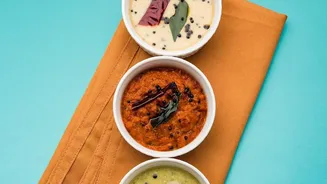
Travel to South India, and the morning meal is dominated by a trio of colourful chutneys, especially when served with staples like idli, dosa, and vada. The most iconic is the white coconut chutney, a creamy and cooling blend of fresh grated coconut, green chillies, ginger, and sometimes roasted gram dal for body. Its calming flavour is the perfect counterpoint to a spicy sambar. Then comes the red chutney, which typically gets its fiery hue and tangy profile from tomatoes and dried red chillies, often cooked down with onions and spices. The green chutney, usually a variation of coconut chutney, gets its fresh, herbaceous character from the generous addition of coriander or mint leaves. Together, they offer a spectrum of flavours on a single plate.
Northern Tang and Spice
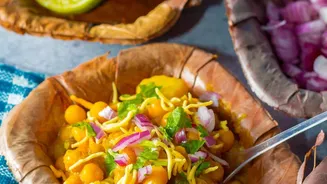
In the northern states, the breakfast chutney landscape shifts. Here, you are more likely to encounter the deep, dark, and glossy sweet tamarind chutney, often called 'saunth' because it's frequently spiced with dried ginger powder (sonth). Made by simmering tamarind pulp with jaggery or dates, it provides a sweet-and-sour kick that is essential for snacks like samosas and kachoris. Paired with this is the ubiquitous green chutney, a zesty, sharp blend of fresh coriander and mint, sparked with green chillies, ginger, and lemon juice. This vibrant green sauce cuts through the oiliness of fried snacks, providing a burst of freshness that prevents the meal from feeling too heavy.
A Universe of Regional Variations
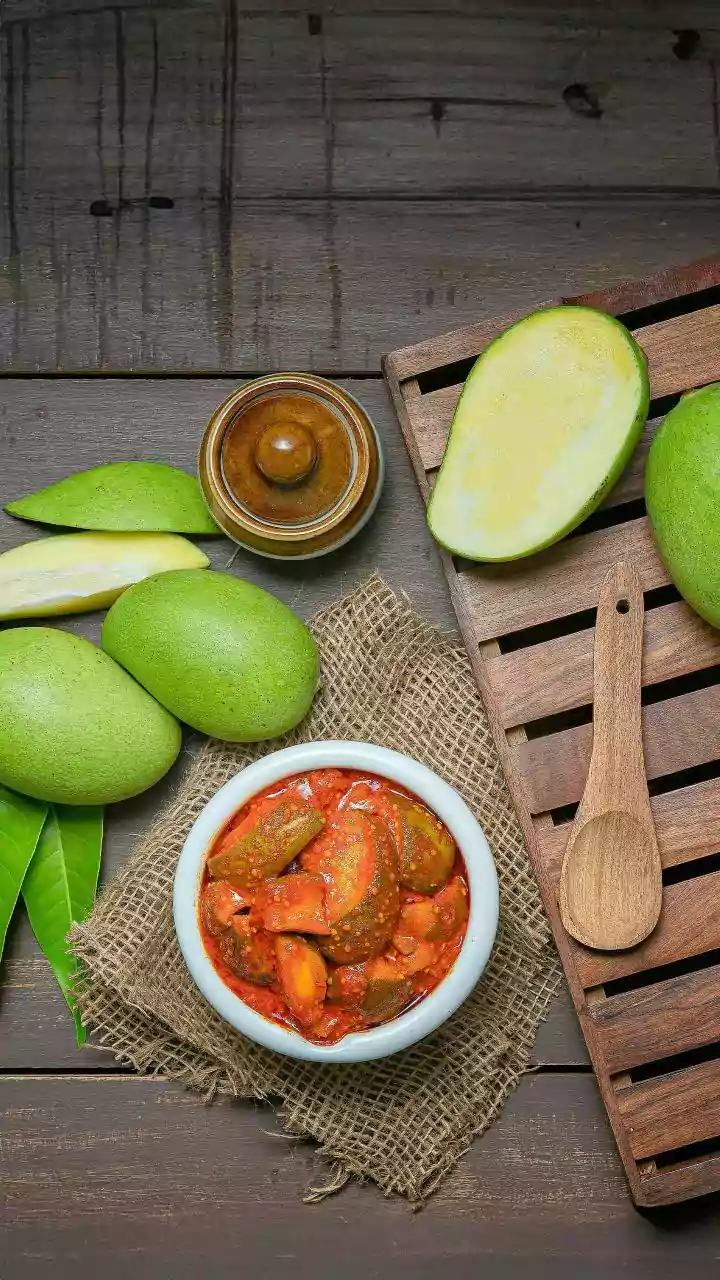
Beyond these widely popular versions lies a vast and diverse world of regional specialties. In Maharashtra, a fiery, coarse paste of green chillies and garlic called 'thecha' offers a pungent kick. Head to Andhra Pradesh, and you might find a nutty and spicy chutney made from peanuts. The Himalayan state of Uttarakhand offers a unique chutney made from roasted hemp seeds (bhang), which has a nutty, smoky flavour. In Kerala, the coconut chutney might be infused with the sharp taste of raw mango, while a Bengali 'kasundi' brings the pungent power of mustard to the table. These variations reflect the local agriculture and palate of each region, showcasing an incredible diversity of ingredients, from lentils and seeds to vegetables and fruits.
The Secret is in the Grind
While recipes abound, the true character of a great chutney comes from its preparation. Traditionally, chutneys were ground on a grinding stone ('sil-batta' in the North or 'ammikallu' in the South). This process, while laborious, is said to release the oils and flavours from the ingredients in a way that modern mixer-grinders cannot fully replicate. The freshness of the ingredients is paramount. A chutney made from freshly grated coconut and just-plucked herbs will always taste superior to one made from substitutes. Many versions also feature a final flourish known as 'tempering' or 'tadka', where mustard seeds, urad dal, dried red chillies, and curry leaves are sizzled in hot oil and poured over the chutney, adding a final layer of aroma and texture.