




The Classic Circuit and Its Challenges
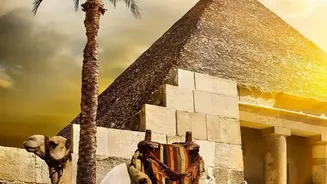
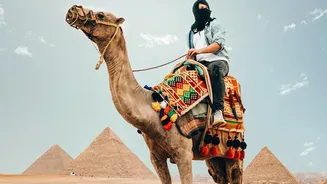
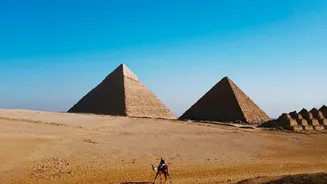
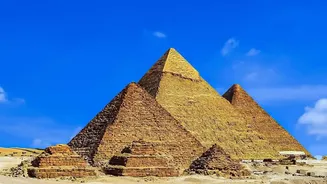
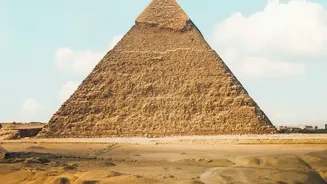
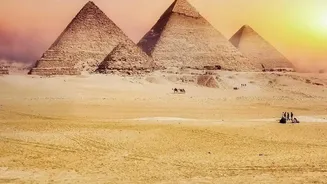
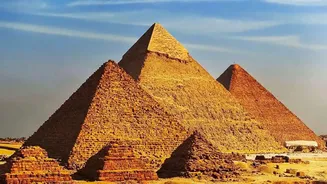
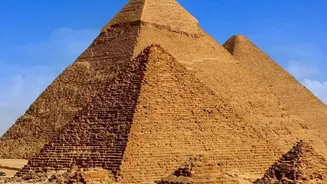
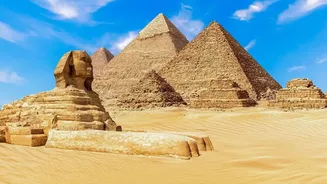
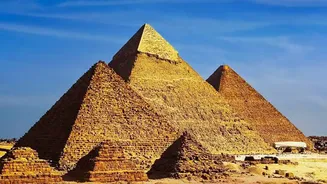
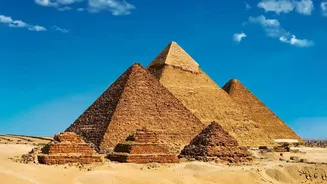
For decades, the quintessential Egyptian tour has followed a well-trodden path: Cairo’s Giza Plateau, followed by a journey south to the grand temples of Luxor and Aswan. This route is popular for good reason. It covers the headline acts: the Great Pyramids
and the Sphinx, the sprawling Karnak complex, and the hauntingly beautiful Valley of the Kings. These sites are the bedrock of ancient Egyptian history and rightfully on every traveller's list. However, their fame comes at a price. Peak season, typically from October to April, sees these locations teeming with visitors, making it difficult to soak in their grandeur. The experience can sometimes feel more like a queue than a quiet moment of wonder, with costs for tours and entry fees reflecting this high demand.
Beyond Giza: The Pyramids of Dahshur and Saqqara
While the Pyramids of Giza are unmissable, they are not the beginning and end of Egypt's pyramid story. Just a short drive south of Cairo lie the necropolises of Dahshur and Saqqara, which offer a less crowded and arguably more adventurous experience. Saqqara is home to the Step Pyramid of Djoser, considered the world's oldest major stone structure, predating those at Giza. A little further, Dahshur features the unique Bent Pyramid and the impressive Red Pyramid. Visitors to Dahshur often find they have these colossal structures almost to themselves, allowing for quiet exploration. You can even venture inside the Red Pyramid, descending into its ancient chambers without the long lines often found at Giza.
Luxor’s Quieter Marvels: Dendera and Abydos
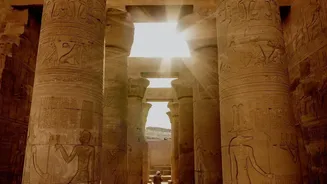
Luxor is often called the world's greatest open-air museum, but many visitors stick only to the main temples of Karnak and Luxor. For those willing to venture further, a day trip to the temples of Dendera and Abydos provides a breathtaking reward. The Temple of Hathor at Dendera is one of the best-preserved temple complexes in all of Egypt, famous for its intact, vividly coloured ceilings depicting astronomical scenes. Abydos is home to the Temple of Seti I, which contains some of the most intricate and masterfully carved reliefs in Egypt. It also features the famous Abydos King List, a chronological carving of 76 pharaohs that has been crucial for historians. These sites see a fraction of the visitors of their Luxor counterparts, offering a more intimate connection with the art and history.
Strategic Planning: Timing, Cost, and Pacing
A smarter Egypt itinerary masterfully blends the iconic with the alternative. To manage costs and crowds, consider visiting during the shoulder seasons of October-November or March-April. During these months, the weather is still pleasant, but tourist numbers are lower than the December-February peak. The summer months of June to August are the cheapest but come with intense heat. When visiting popular sites like the Giza Plateau or the Valley of the Kings, arriving right at opening time can help you avoid the largest tour groups. Mixing in visits to less-crowded sites like Saqqara or Dendera not only saves you from queue fatigue but often comes with lower entry fees and less pressure from vendors. Budgeting for 'baksheesh' (tipping) is also essential, as it's a deeply ingrained part of the culture for services rendered.