







Saudi Arabia and Singapore are partnering on a major energy security initiative. This new Memorandum of Understanding will see Saudi crude oil stored in Singapore, a move with significant implications for Asian energy markets and global supply chains.
Decoding the Agreement
On October 26, 2026, during Singapore International Energy Week, a significant Memorandum of Understanding (MoU) was exchanged. The agreement involves the state-owned Saudi Aramco, Singapore's Energy Market Authority (EMA), and JTC Corporation, which manages the storage site. An MoU is a formal agreement that outlines the broad terms of a partnership before a final, detailed contract is signed. In this case, it's the first step toward establishing a crude oil storage arrangement, with both sides aiming to finalize negotiations within a few months. The plan is for Saudi Arabia to begin storing its crude oil at Singapore's Jurong Rock Caverns starting from the second half of 2027. While the exact volume of oil and the financial terms have not been disclosed, the intention is clear: to create a strategic stockpile of Saudi crude right in the heart of Asia.
Singapore’s Strategic Role
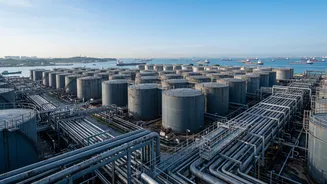
Singapore's selection as the location is no coincidence. The city-state is one of the world's most important energy and shipping hubs. Its strategic location along major trade routes makes it a critical point for commerce between the East and West. The oil will be stored in the Jurong Rock Caverns, a state-of-the-art underground facility located 150 meters below ground on Jurong Island. This facility has a total capacity of 1.47 million cubic meters, equivalent to about nine million barrels of liquid hydrocarbons. For Singapore, this arrangement directly bolsters its energy security. In the event of a global supply disruption, having a strategic reserve on its own soil provides a crucial buffer. Singapore's Minister for Energy, Tan See Leng, noted that this contributes to the nation's resilience, especially in a world where resource nationalism is a growing concern.
Saudi Arabia's Asian Pivot
For Saudi Arabia, the world's largest oil exporter, this move is a key part of its broader strategy to secure and strengthen its position in the Asian market. Asia is a primary destination for Middle Eastern crude, and having inventory stored in the region allows for faster and more flexible delivery to key customers. Saudi Energy Minister Prince Abdulaziz bin Salman Al-Saud stated that bringing supply closer to key markets enhances the flexibility of their supply network. This isn't a new strategy for Saudi Aramco, which already has similar storage agreements in Japan and South Korea. By establishing a presence in Singapore, Saudi Arabia creates another strategic hub, ensuring it can reliably serve its customers across Southeast Asia and remain competitive against other major oil producers.
The Geopolitics of Energy Security
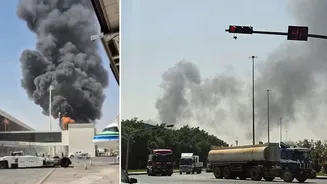
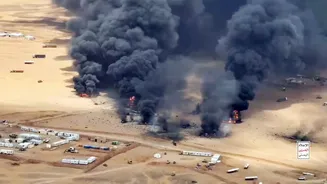
The announcement comes at a time of heightened geopolitical tensions that have impacted global energy flows, particularly through critical chokepoints like the Strait of Hormuz. Conflicts and attacks on energy infrastructure have highlighted the vulnerability of long_distance supply chains. Storing crude oil in stable, strategic locations far from potential conflict zones is a way for producers to mitigate risk and ensure continuity of supply. For buyer nations in Asia, which imported roughly two_thirds of their oil from the Middle East before recent disruptions, this provides a welcome layer of security. This agreement is part of a larger trend where nations are seeking stronger partnerships to enhance energy resilience and prepare for unexpected supply shocks.
What It Means for the Region
This MoU is more than just a commercial storage deal; it's a strategic partnership that deepens energy cooperation between Saudi Arabia and Singapore. It signals a shared commitment to regional energy security and reinforces Singapore's status as a premier energy hub. For other countries in Asia, including major importers, the presence of a readily available Saudi stockpile could help stabilize markets during a crisis. It enhances the overall resilience of the regional supply chain, ensuring that economies can better withstand sudden interruptions to oil shipments. The move ultimately reflects a proactive approach by both nations to navigate the complexities of the modern global energy landscape, prioritizing stability and preparedness.