






The King of Fruits and National Pride
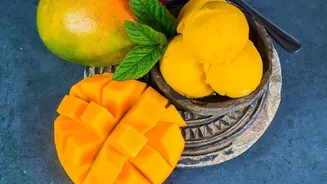
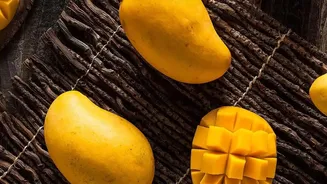
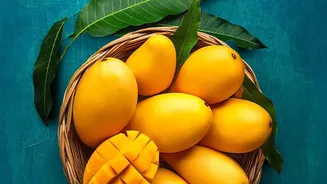
To understand the reaction, one must first understand the mango's sacred place in the Indian psyche. For centuries, it has been revered as the 'King of Fruits'. It's a symbol woven into mythology, poetry, and art. The arrival of mango season is a cultural
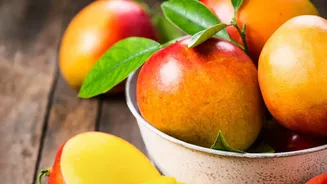
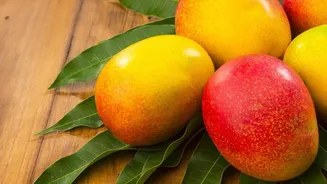
phenomenon, a harbinger of summer that evokes deep nostalgia for childhood, family gatherings, and lazy afternoons. Varieties like the Alphonso from Maharashtra, the Kesar from Gujarat, or the Langra from Uttar Pradesh are not just produce; they are regional treasures, each with a unique identity and a passionate following. Gifting a box of premium mangoes is a time-honoured gesture of love, respect, and goodwill, far more significant than a simple present. This deep-seated emotional connection means that any news about mangoes, especially news that elevates them on a global stage, resonates on a personal level with millions.
From a Ban to a Diplomatic Breakthrough
The story of Indian mangoes in a major market like the United States is one of patience and persistence. For 18 years, from 1989 to 2007, the U.S. banned fresh Indian mango imports due to concerns about pests like the fruit fly, which could threaten American agriculture. For India, the world's largest mango producer, this was a point of contention. The breakthrough came after years of negotiations, culminating in what many called the “mango deal.” India agreed to treat the fruit with irradiation to eliminate any pest risk, a protocol approved by U.S. authorities. This agreement was seen not just as a technical solution but as a significant diplomatic achievement. It famously gained momentum when then-US President George W. Bush tasted an Alphonso in 2006 and declared it a “hell of a fruit,” a moment that has become part of the folklore of this trade relationship.
A Sweet Taste of Soft Power
The resumption of mango exports was about more than just commerce; it was an act of 'mango diplomacy'. This term describes how the fruit has been used as a tool to build relationships and generate goodwill. For the Indian diaspora in the U.S., the arrival of seasonal mangoes is an eagerly awaited event, an emotional link to home that sells out in hours. For the wider American public, it's an introduction to a premium product that showcases India's rich agricultural heritage. Indian consulates and embassies have actively promoted this, holding tasting festivals that draw huge crowds and generate positive media attention. This soft power is invaluable. It creates a positive association with India that goes beyond politics, showing how a shared love for food can bridge cultural divides and strengthen international ties.
Why It's More Than Just a Headline
Ultimately, the public's fascination with the mango deal is a reminder that trade is not just conducted between governments but between people. The news captured attention because it tapped into a wellspring of national pride. Seeing a beloved symbol of Indian culture succeed abroad feels like a collective victory. The excitement is fueled by countless social media posts, news reports of shipments selling out, and the simple joy of being able to share a taste of home with the world. While trade reports often focus on tariffs and tons, the story of the mango is told in memories, flavors, and the sweet fragrance of summer. It demonstrates that the most effective symbols of a nation are often the ones you can hold in your hand—or, in this case, the ones you can eat.