





The Existential Risk to Tokyo
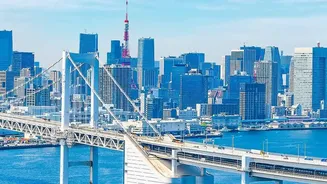
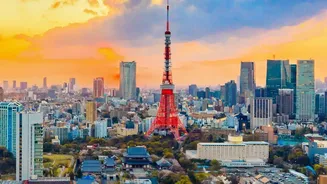
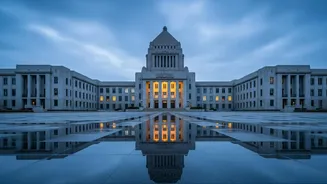
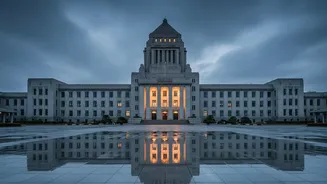
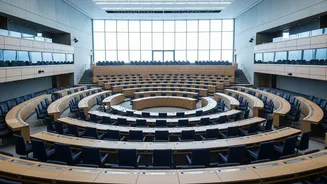
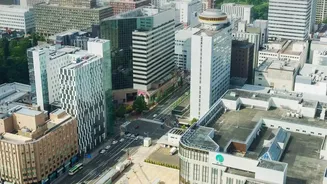
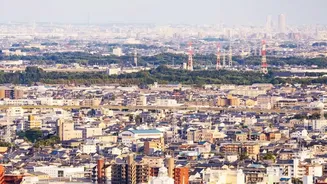
The concentration of power in Tokyo is absolute. It hosts the Imperial Palace, the National Diet, central government ministries, and the headquarters of a vast majority of Japan's major corporations. More than 35 million people live in the Greater Tokyo area.
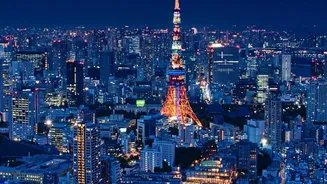
This centralisation, however, creates a single point of failure. Seismologists warn there is a high probability of a major, catastrophic earthquake striking the Tokyo region within the next three decades. The government fears a direct hit from a magnitude-7 or higher quake, or a devastating tsunami from a megaquake in the Nankai Trough, an undersea trench off the Pacific coast. Such an event would not only cause immense loss of life but could instantly paralyse Japan's government and economy, severing chains of command and shattering the nation's core functions. The secondary-capital framework is a direct response to this existential threat, aiming to create a robust backup so that the country can continue to function even if its primary hub is knocked offline.
A Race Between Regions
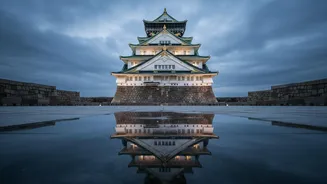
The new law doesn't name a successor but instead creates a framework for designating one or more backup regions, igniting a competition among Japan's other major urban centres. To qualify, a region must have existing government infrastructure, a strong economy, and be geographically situated to avoid being impacted by the same disaster that hits Tokyo. Several prefectures immediately raised their hands. Osaka, Japan's third-largest city and a historical commercial rival to Tokyo, is seen as a political frontrunner. The city has strong backing from the Japan Innovation Party, a key partner in the ruling coalition government. However, other powerful regions are making their case. Fukuoka, on the southern island of Kyushu, highlights its position on the Sea of Japan, making it less vulnerable to a Pacific tsunami. The Aichi prefecture, with its industrial powerhouse city of Nagoya, touts its economic might. Even the northern island of Hokkaido, with its capital Sapporo, argues its distance from Tokyo is its greatest strength, ensuring a low risk of a simultaneous disaster.
Building True National Resilience
The plan is about more than just finding a new home for politicians. True resilience involves creating a distributed system for governance and the economy. The framework aims to decentralise administrative functions, ensuring that if one node is destroyed, others can take over. This means having secure facilities, data backups, and established protocols for transferring power in an emergency. Beyond government continuity, the goal is to create a second engine for national growth. For decades, Japan has struggled with the economic drain from regional areas towards the hyper-concentrated capital. By designating a secondary capital—or potentially several—the government hopes to spur regional development, directing investment, infrastructure projects, and human capital away from an over-stuffed Tokyo. The chosen locations would likely benefit from tax incentives and deregulation to bolster their capacity to serve as national hubs. This approach recasts the disaster-preparedness plan as a long-term strategy for more balanced and sustainable national development.
The Hurdles of Cost, Politics, and Inertia
Despite the clear risks, the path to a functional secondary capital is fraught with challenges. The debate has been ongoing for decades, often stalling due to immense costs and political inertia. Critics have questioned the lack of a clear budget or economic impact analysis for the current plan. The narrow passage of the bill in parliament's Upper House highlights the political controversy surrounding it. Opposition parties have labelled the law the "Osaka Special Treatment Act," arguing it unfairly favours the home base of the ruling coalition's key partner. Furthermore, some seismic models raise questions about Osaka's own vulnerability to flooding from a Nankai Trough earthquake, potentially undermining its role as a secure backup. Ultimately, the greatest challenge may be cultural. Tokyo's status as the undisputed centre of Japanese life is deeply entrenched. Shifting significant functions, prestige, and resources to another region represents a monumental change that will require sustained political will to overcome decades of centralisation.