







Prioritise Proper Drainage
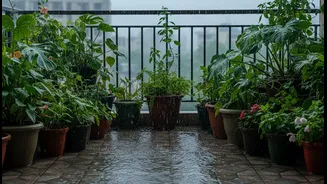
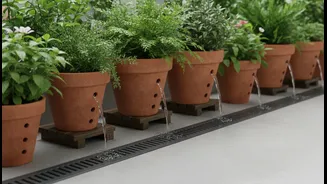
One of the most critical aspects of a balcony garden is water management. Every pot needs drainage holes to prevent waterlogging, which can lead to root rot and kill your plants. However, the runoff needs to be managed carefully. When pots are placed
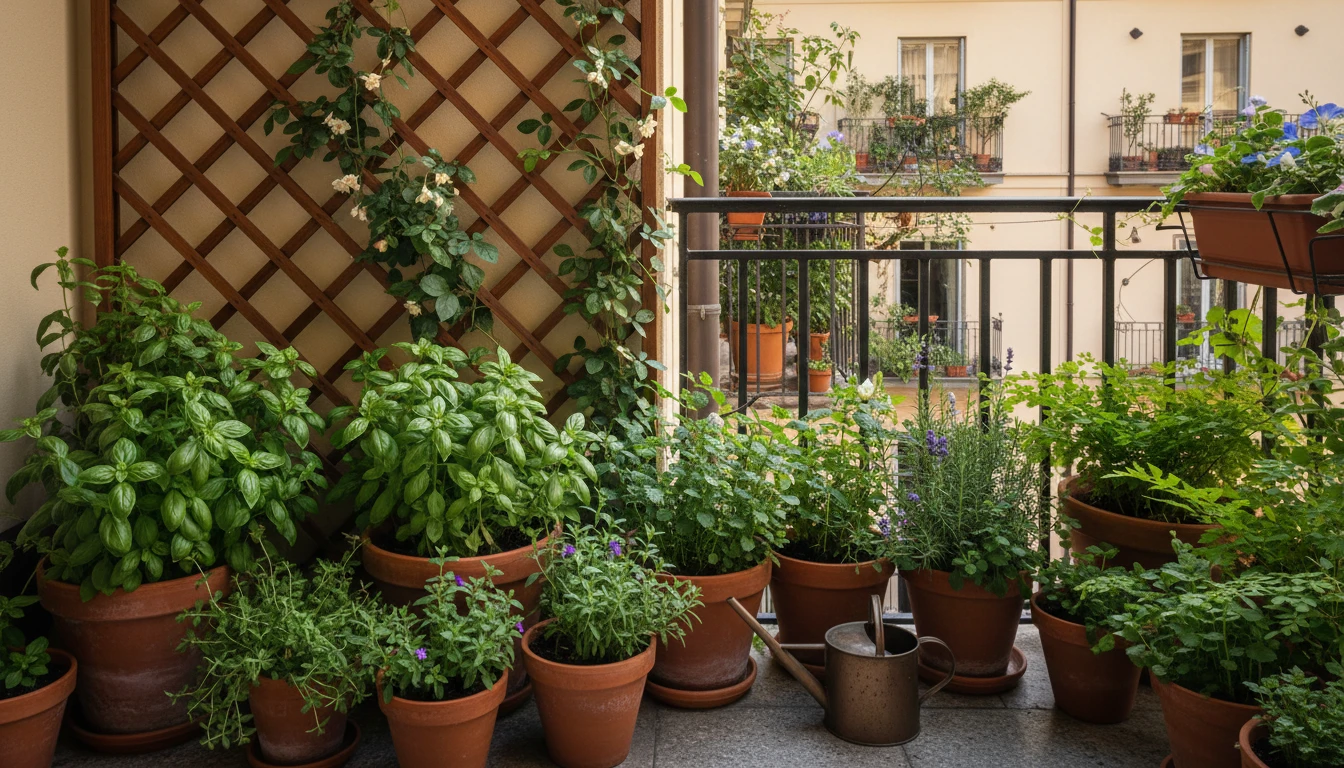
directly on the floor, they can block the balcony's primary drainage outlets. This can cause water to pool, leading to potential leaks into apartments below, stains, and even long-term structural damage to the building's concrete. Always use pot saucers or drip trays to catch excess water. Additionally, elevating your pots with 'pot feet' or stands not only helps with drainage from the pot itself but also allows water and air to flow freely underneath, preventing blockages and moisture build-up.
Keep Pathways and Doors Clear
Your balcony might be more than just a spot for a morning coffee; in an emergency, it could be a critical escape route or an access point for emergency services. For this reason, all exit routes in a building must be kept clear and unobstructed. Placing large pots, furniture, or a dense collection of plants in front of the balcony door can hinder a quick exit. It’s essential to maintain a clear, navigable path from the door to the railing at all times. A cluttered balcony not only poses a trip hazard in everyday use but can become a serious danger in a fire or other emergency situation. Think of your balcony's layout in terms of flow and access, ensuring that nothing impedes movement.
Understand Your Balcony's Weight Limit
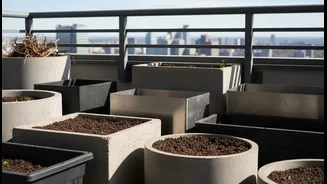
Before you get carried away with large ceramic pots and bags of soil, it's crucial to consider the weight your balcony can safely support. Balconies have specific load limits, which can vary significantly based on the building's age and construction. The combined weight of pots, water-saturated soil, plants, and people can add up quickly. A single large pot filled with wet soil can weigh hundreds of pounds. To stay safe, opt for lightweight containers made from plastic, resin, or fabric grow bags instead of heavy terracotta or concrete. Using a lighter potting mix, which often contains perlite or other materials to improve drainage and reduce weight, is also a smart choice. If you're unsure about your balcony's capacity, it's always best to check with your building management.
Ensure Fire Safety at All Times
Fire safety is a non-negotiable aspect of balcony living. Balconies can allow fires to spread quickly due to the unlimited supply of oxygen. For this reason, you should never store flammable materials on your balcony, including excess decorating supplies or combustible items. While plants are generally considered acceptable, certain dry materials like reed fencing or bamboo screens can be highly flammable and should be avoided. It's also important to be mindful of anything that could fall from your balcony and create a hazard below, such as poorly secured railing planters or tools. Never dispose of cigarettes by flicking them over the side, as this is a significant fire risk for those below.
Be a Considerate Neighbour
A successful balcony garden is one that doesn't negatively impact your neighbours. Good balcony etiquette involves being mindful of your surroundings. Water your plants carefully to avoid dripping dirty water or soil onto the balconies below; using drip trays is essential. Be mindful of falling leaves or flowers, and sweep them up to prevent them from blowing onto a neighbour’s property or clogging shared drainage systems. Also, consider the placement of your plants. While using railings to maximize space is a great idea, ensure any planters are securely fastened and do not violate your building's rules, which sometimes prohibit items from hanging over the exterior edge.