






The Ghost of the Mountain
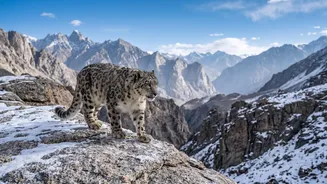
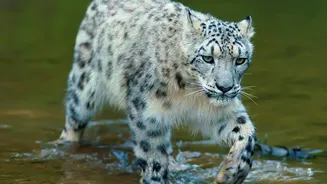
Ladakh is home to the largest population of snow leopards in India, with an estimated 477 of these majestic cats roaming its rugged terrain. Often called the 'ghost of the mountain' for their solitary nature and incredible camouflage, sighting one is a rare
and coveted experience. This has naturally fuelled a rise in wildlife tourism, with travellers from around the world venturing into remote areas like Hemis National Park, Rumbak, and Shang, hoping for a glimpse of this endangered species in its natural habitat.
The Scars of Unchecked Tourism
However, the growing influx of tourists has brought a significant challenge: illegal off-roading. In pursuit of adventure or a better photograph, many tourists and some tour operators drive their vehicles off designated roads and onto fragile pastures, wetlands, and even lake shores. This activity causes irreversible damage to the delicate high-altitude ecosystem, disturbs wildlife, and threatens the nesting grounds of migratory birds. In recent years, authorities have noted an alarming rise in this practice, leading to a crackdown with hefty fines and vehicle seizures to protect areas like Pangong Lake and the Changthang Cold Desert Wildlife Sanctuary.
An Official, Regulated Alternative
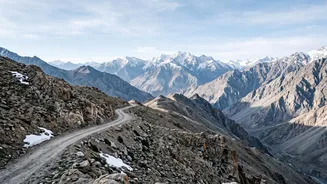
In response to this environmental threat, the Ladakh administration recently launched India's first high-altitude Snow Leopard Safari. The initiative, flagged off during Wildlife Week 2026, aims to provide a structured and responsible way for tourists to experience Ladakh's wildlife. The objective is twofold: to enhance the visitor experience while simultaneously preventing the environmental damage caused by unregulated tourism and illegal off-roading. The safaris use specially designed open-back vehicles and operate only on pre-identified, approved routes, ensuring minimal disturbance to the wildlife and terrain.
Turning Locals into Guardians
The core of this conservation model lies in community involvement. The safari program is designed to create sustainable livelihoods for local youth and communities, turning them into active partners in conservation. By training and employing local people as drivers and wildlife guides, the initiative gives them a direct economic stake in protecting their environment. This instils a sense of custodianship, transforming the snow leopard from a potential threat to livestock into a valued asset for the community's prosperity. This approach builds on years of work by organisations like the Snow Leopard Conservancy India Trust, which pioneered community-based conservation in the region.
The Power of the Homestay Model
This community-centric approach is deeply connected to the successful Himalayan Homestays program, which has been instrumental in changing local attitudes towards wildlife. By staying in village homestays, tourists contribute directly to the local economy. A portion of the income generated, often 10%, goes into a village conservation fund. This fund is then used by the community for activities like garbage clean-ups, tree planting, and maintaining cultural sites, creating a virtuous cycle where tourism directly fuels conservation efforts. The new safari initiative strengthens this link, ensuring that the economic benefits of wildlife tourism are shared by those who live alongside the animals.
The Path Forward
The launch of the Snow Leopard Safari is a significant step towards building a conservation economy in Ladakh. It represents a shift from viewing conservation and development as separate goals to a model where they are intertwined. The administration has made it clear that while tourism is welcome, activities that damage the fragile ecology will be met with firm action. The success of this initiative will depend on continued regulation, including managing visitor numbers and sticking to approved routes, to ensure that this new form of organised tourism does not itself become a source of environmental pressure.