




A Genius Before Its Time
To understand why the new A2 e-tron matters, you have to look back to 1999. Back then, Audi launched the original A2, a car that was either a work of genius or a quirky misstep, depending on who you asked. Its standout feature was an all-aluminium body
built on what Audi called its 'Space Frame' (ASF). This technology, borrowed from the flagship A8 limousine, made the compact A2 astonishingly light—weighing under 900 kilograms, or about 40% less than a comparable steel-bodied car. The result was incredible efficiency. The diesel versions, in particular, were capable of consuming as little as three litres of fuel per 100 kilometres. With its futuristic, aerodynamic silhouette, spacious interior, and clever engineering, it was a car far ahead of its time. But its advanced construction made it expensive, and buyers weren't ready to pay a premium for a small car, no matter how clever. It was discontinued in 2005, a cult classic in the making.
The Electric Reboot
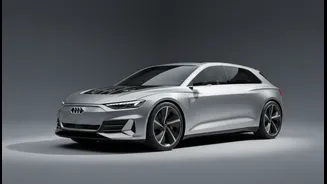
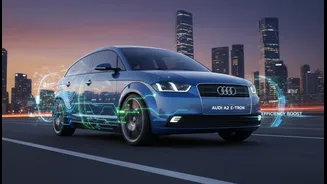
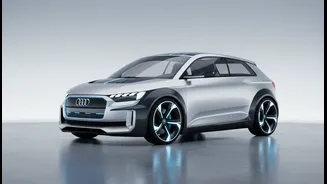
Fast forward to today, and Audi is bringing the name back for its new entry-level electric car, the A2 e-tron. Set for an official reveal in the autumn of 2026, prototypes have already been seen shedding their camouflage, showing a design that deliberately echoes the original's tall, rounded shape and aerodynamic focus. Audi's CEO, Gernot Döllner, has confirmed the new model is part of a strategy to make entry into the brand's electric world easier and more accessible. It will slot into the lineup below the larger Q4 e-tron, acting as an indirect replacement for the discontinued A1 and Q2 models, aimed squarely at urban buyers who value efficiency and premium design.
The Lightweight Conundrum
Herein lies the central challenge. The original A2's identity was forged by its physical lightness. Modern electric cars, by contrast, are inherently heavy due to their large battery packs. The new A2 e-tron will not feature a bespoke aluminium space frame; instead, it will be built on the Volkswagen Group's widely used MEB electric platform, which it will share with the VW ID.3. So, how can it honour its lightweight ancestor? The answer lies in reinterpreting the philosophy. Rather than focusing solely on reducing physical mass, Audi is chasing a more holistic form of efficiency. The distinctive shape is not just for nostalgia; it's the result of extensive wind tunnel testing to optimize aerodynamics and maximize range. The 'lightweight' nod is about making the entire system—from battery to motor to the way it slips through the air—as efficient as possible.
A Statement of Intent
The revival of the A2 is more than just retro styling; it's a strategic move for Audi. In a market saturated with large, heavy electric SUVs, the A2 e-tron represents a return to first principles: a compact, highly efficient vehicle designed for real-world needs. By evoking the spirit of the original, Audi is making a statement about innovation and smart engineering. While the first A2 was a commercial failure because it was too advanced and expensive for its time, the electric era might just be the perfect context for its philosophy to finally succeed. It signals a belief that the future of premium mobility isn't just about size and power, but about clever, responsible design. For a growing Indian market with a keen interest in both premium brands and the practicalities of EV ownership, this approach could prove to be the right car at the right time.