
The Temptation of the Large Kebab
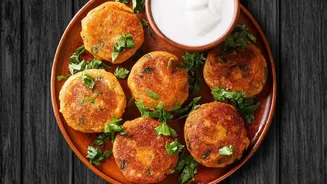
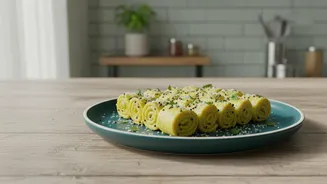
When you have a bowl of beautifully prepared, fragrant dahi kebab mixture, it’s tempting to form generous, hearty-sized patties. It feels more substantial and seems quicker than making many smaller ones. However, this is often where the trouble begins.
Large, thick patties present a challenge for heat. By the time the heat penetrates to the very core of the kebab, the delicate outer layer, which is in direct contact with the hot oil, has often become too dark or even burnt. This leaves you with an unfortunate contrast: a scorched exterior and a disappointingly pasty, uncooked centre. This uneven cooking is a common frustration, but understanding how heat works is the first step to solving it for good.
The Science of Size and Heat
The reason smaller patties cook more evenly comes down to a simple principle: the surface-area-to-volume ratio. A smaller, flatter patty has more surface area exposed to the heat relative to its internal volume. This means the heat doesn't have to travel as far to reach the centre. The cooking process, which relies on heat transfer through conduction from the hot pan and oil, becomes much more efficient. The centre of the kebab cooks almost as quickly as the outside, allowing the entire patty to reach the perfect temperature and texture simultaneously. With a large patty, the heat takes significantly longer to conduct to the middle, leading to that all-too-common problem of an overdone outside and an underdone inside.
Perfecting the Patty-Making Process
So, how small should you go? Aim for patties that are about two inches in diameter and not too thick. This size is manageable and promotes quick, even frying. To prevent the delicate mixture from sticking to your hands, lightly grease your palms with a little oil before you begin shaping. Handle the mixture gently; pressing the patties too hard can make them dense and cause cracks. After shaping, many chefs recommend chilling the patties for 20-30 minutes. This helps them firm up, making them easier to handle and less likely to fall apart in the pan.
Beyond Size: The Foundation of Hung Curd
While size is crucial, it won't save a poorly prepared base. The absolute key to a dahi kebab that holds its shape is using thick, properly prepared hung curd. The curd should be fresh and not sour. To make hung curd, place your dahi in a muslin cloth set over a strainer and let it drain for at least 5-6 hours, or preferably overnight in the refrigerator. The goal is to remove as much whey as possible. If the curd is too moist, the kebabs will be difficult to bind, absorb too much oil, and may disintegrate during frying.
The Role of Binders and Frying
To further ensure your kebabs don't break, a good binding agent is essential. Roasted besan (gram flour) or breadcrumbs are excellent choices. These ingredients help absorb any remaining moisture and provide structure. Some recipes also include crumbled paneer, which adds a wonderful creamy texture. When it's time to cook, fry the kebabs on a medium-high flame. Too low a heat won't create a crispy crust, while excessively high heat will burn the outside before the inside is cooked. Don’t overcrowd the pan, as this lowers the oil temperature and can lead to the kebabs steaming instead of frying. Fry in batches until they are a perfect, even golden-brown on all sides.