




Embrace the Rule of Threes
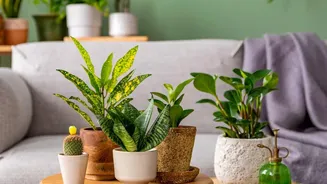
A fundamental principle in design, the 'rule of three' suggests that items arranged in odd numbers are more appealing and natural to the human eye. Instead of lining up two or four plants, try grouping three or five. This creates a more dynamic and less
rigid composition. For a simple start, place three pots in a gentle triangle formation rather than a straight line. This simple trick encourages the eye to move around the grouping, creating a small moment of visual interest that feels balanced yet organic. The goal is to make the arrangement look intentional but not overly formal.
Vary Height, Scale, and Form
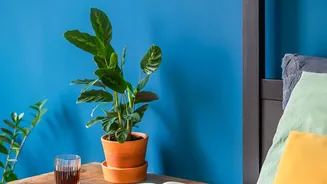
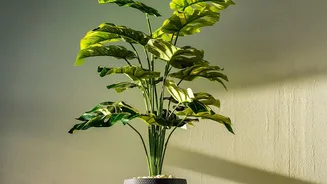
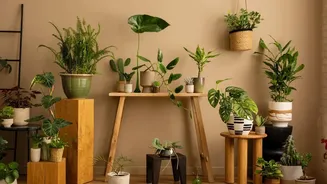
A successful plant grouping is like a well-composed photograph—it needs layers. Creating depth is all about playing with different heights and scales. Combine a tall, slender floor plant like a Ficus or Dracaena Marginata to act as an anchor, a medium-sized, bushy plant to fill the middle ground, and a smaller or trailing plant to soften the edges. This 'thriller, filler, and spiller' method is a classic container gardening formula that works just as well for indoor groupings. Using plants of different shapes—upright, mounded, and cascading—prevents the arrangement from looking flat and one-dimensional.
Play with Texture and Foliage
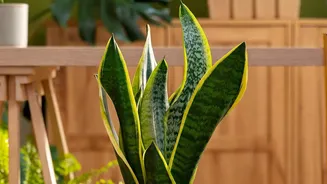
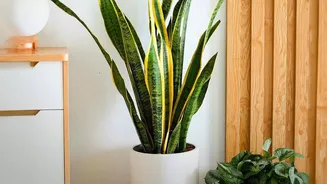
Beyond height, the texture of the leaves themselves can add a rich layer of complexity. Juxtapose plants with different foliage to create a tactile and visually stimulating display. For example, pair the large, glossy leaves of a Rubber Plant with the delicate, feathery fronds of a fern or the sharp, architectural lines of a Snake Plant. Combining bold leaves, fine foliage, and soft forms adds dimension. Don't be afraid to mix different shades of green, from deep emerald to bright chartreuse, and even introduce variegated plants with patterns of white, pink, or yellow to add another layer of interest.
Unify with Cohesive Containers
The pots you choose are just as important as the plants themselves. While an eclectic, bohemian mix of containers can work, a more surefire way to create a polished look is to establish a cohesive theme. You can achieve this by using pots of the same color but in different sizes and shapes, or by choosing containers made from similar materials, such as terracotta, ceramic, or woven baskets. This repetition creates a sense of rhythm and unity, tying the individual plants together into a single, deliberate statement. The planters should complement your room's decor, helping to integrate the green corner with the rest of your space.
Group by Light and Water Needs
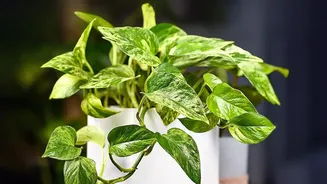
A beautiful plant grouping is only successful if it's sustainable. The most practical tip for long-term success is to group plants with similar care requirements. A corner is often a lower-light area, so it's wise to choose species that tolerate these conditions, such as the Snake Plant, ZZ Plant, Pothos, or Peace Lily. Placing plants that all prefer bright, indirect light and similar watering schedules together not only makes maintenance easier for you but also ensures that every member of your green vignette will thrive. This thoughtful approach turns a purely decorative feature into a healthy, miniature ecosystem.