





The Ever-Popular Rose
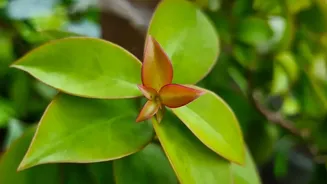
The rose, a symbol of love and beauty, is surprisingly easy to grow from a cutting. The best time to take a cutting is in the late spring or early summer from a stem that has just finished blooming. This is known as a softwood cutting. Choose a healthy
stem about the thickness of a pencil. The cutting should be around 6 to 8 inches long. Remove the faded bloom and all the leaves except for the top two sets. You can dip the bottom end of the cutting in a rooting hormone to encourage faster root development, though it's not strictly necessary. Plant the cutting in a pot filled with a well-draining mix, such as 50% potting soil and 50% perlite. Water it well and keep the soil consistently moist but not waterlogged. Placing a plastic bag over the pot can help create a humid environment, which aids rooting. In about 6 to 8 weeks, you should have a new, rooted rose plant ready to be treasured.
The Hardy Money Plant
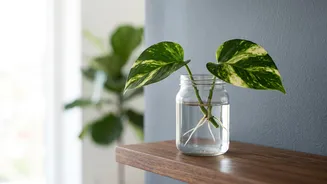
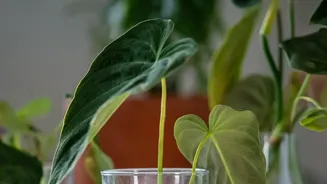
The Money Plant, or Pothos, is one of the most forgiving houseplants, making it perfect for beginners. Its trailing vines can be propagated with incredible ease. Simply take a stem cutting that is at least 4-6 inches long and has a few leaves and at least one node—the small bump on the stem where leaves and roots emerge. You can place this cutting in a jar of water, ensuring the node is submerged. Change the water every few days to keep it fresh. Roots will typically begin to appear within a couple of weeks. Once the roots are about an inch long, you can transplant the cutting into a pot with soil. Alternatively, you can plant the cutting directly into moist soil. Keep the soil damp, and the cutting will establish itself, giving you a new plant to purify your indoor air and bring good fortune.
The Vibrant Hibiscus
Hibiscus flowers bring a tropical feel to any garden with their large, colourful blooms. You can easily create more of these stunning plants from cuttings. Take softwood or semi-hardwood cuttings, which are stems from the current year's growth that are firm but not old and woody. Each cutting should be about 4-6 inches long. Remove the lower leaves, leaving just two or three at the top. It's best to plant these cuttings in a well-draining potting mix. Make a hole with a pencil before inserting the cutting to avoid damaging the end. Water the soil and cover the pot with a plastic bag to create a mini-greenhouse effect, which helps maintain humidity. Place the pot in a spot with bright, indirect light. Roots should develop in about eight weeks, after which you can transplant your new hibiscus plant.
The Resilient Snake Plant
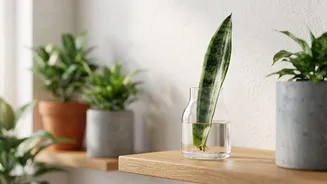
The Snake Plant (Sansevieria) is known for its hardiness and air-purifying qualities. It can be propagated from leaf cuttings. Using a clean, sharp knife, cut a healthy, mature leaf from the base of the plant. You can then cut this leaf into smaller sections, each about 2-3 inches long. It is crucial to remember which end is the bottom (the part closest to the soil), as only this end will produce roots. To prevent rot, allow the cuttings to dry for a couple of days until the cut end forms a callus. You can then place the cuttings in water or plant them directly into well-draining soil, bottom-end down. If using soil, insert the cutting about an inch deep. Keep the soil lightly moist. Be patient, as snake plants are slow growers; it can take a couple of months for new roots and pups to appear.
The Colorful Bougainvillea
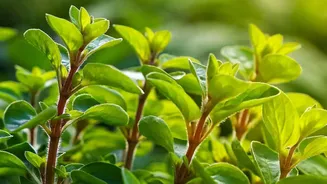
Bougainvillea is a common sight in Indian gardens, beloved for its profusion of colourful bracts. Propagating this sun-loving vine is straightforward. The best cuttings are semi-hardwood, taken from stems that are partially mature—neither soft new growth nor old, woody growth. Take cuttings that are about 6 inches long and remove all but a few leaves at the top. Dipping the end in rooting hormone can increase your chances of success. Plant the cutting in a pot with a sandy, well-draining soil mix. Water thoroughly and place the pot in a warm, bright location, but out of direct, harsh sunlight. Creating a humid environment with a plastic cover can be beneficial. Bougainvillea cuttings can take anywhere from 6 to 12 weeks to root, depending on the temperature and humidity. With a little patience, you'll have a new vine ready to add a splash of colour to your surroundings.