



Aloo Pitika from Assam: The Art of the Mash
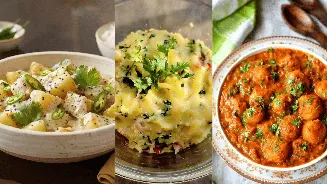
In Assam, simplicity reigns supreme with Aloo Pitika, a mashed potato dish that is a masterclass in flavour with minimal cooking. The core technique involves mashing boiled or fire-roasted potatoes while they are still warm. What makes it distinctly Assamese
is the addition of raw ingredients: finely chopped onions, fiery green chillies, and fresh coriander are mixed in. The final, crucial touch is a generous drizzle of pungent raw mustard oil, which binds everything together and lends the dish its signature sharp, aromatic character. This method of combining cooked and raw elements creates a dish that is simultaneously comforting and bold, showcasing how a few well-chosen ingredients can create something truly memorable.
Aloo Posto from West Bengal: The Poppy Seed Paste
Travel to West Bengal, and you'll find potatoes in a completely different avatar with Aloo Posto. The soul of this dish lies in its primary technique: the creation of 'posto bata', a creamy paste made from white poppy seeds. These seeds are soaked in warm water to soften them before being ground, often with green chillies, into a thick, nutty paste. Cubed potatoes are then gently simmered in this poppy seed gravy, cooked in mustard oil which adds another layer of pungency. The technique here is all about balance—allowing the subtle, earthy flavour of the poppy seeds to shine without being overpowered. The result is a thick, comforting curry that clings to the potatoes, a testament to Bengal's unique culinary landscape.
Kashmiri Dum Aloo: The Power of Slow Cooking
From the valleys of Kashmir comes a regal potato dish defined by its cooking process. The technique of 'dum' cooking is central to Kashmiri Dum Aloo. Typically, small baby potatoes are first boiled and then deep-fried until they form a crisp, golden-brown skin. These fried potatoes are then pierced to allow them to absorb the gravy. The magic happens when they are slow-cooked in a sealed pot with a flavourful, yogurt-based gravy spiced with regional specialties like fennel powder, dry ginger powder, and vibrant Kashmiri red chilli powder. This slow-cooking method allows the potatoes to become incredibly tender while soaking up the complex, aromatic spices, resulting in a dish that is both rich and deeply flavourful without the use of onion or garlic.
Batata Vada from Maharashtra: The Perfect Fry
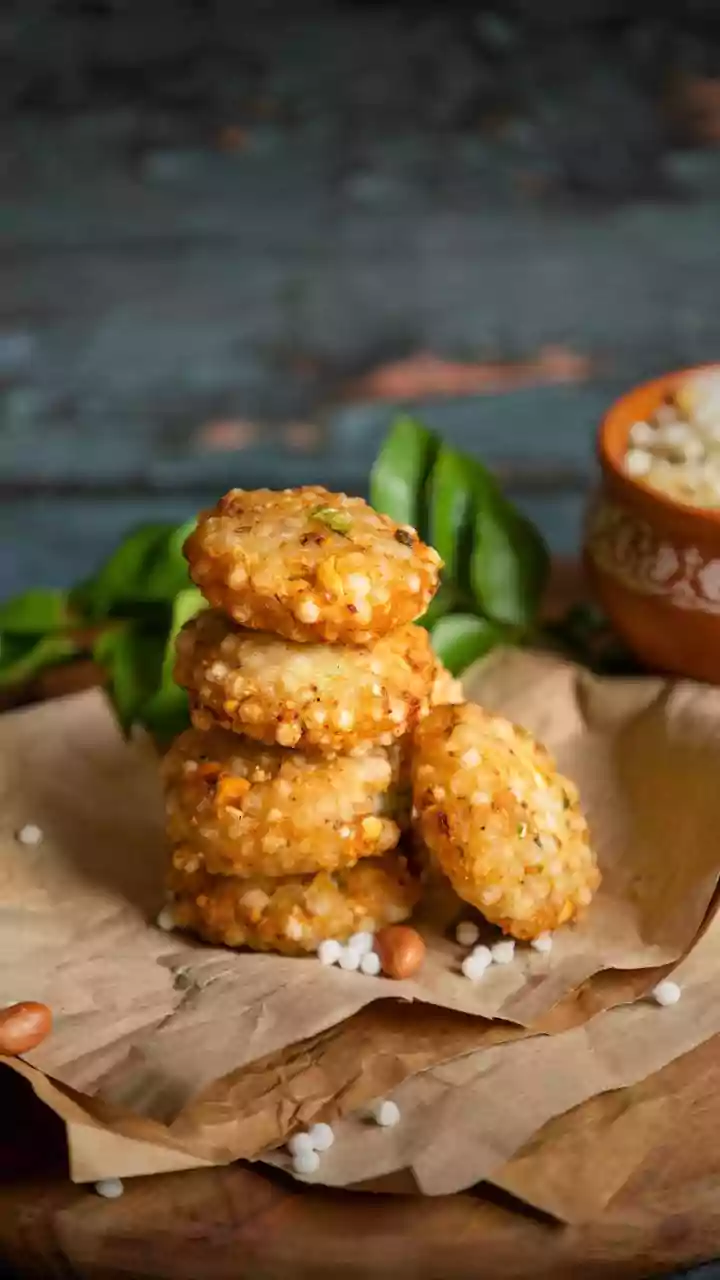
A star of Mumbai's street food scene, the Batata Vada is all about achieving the perfect texture through its frying technique. It starts with a flavourful potato filling made from boiled and mashed potatoes, tempered with a mix of ginger, garlic, green chillies, and curry leaves. This mixture is shaped into balls. The technical skill lies in the batter—a smooth, thick coating of besan (gram flour) that must be the right consistency to evenly cover the potato ball without being too heavy. These coated balls are then deep-fried in hot oil until they turn a perfect golden-brown. The technique ensures a crispy, crunchy exterior that gives way to a soft, spiced potato mash inside, creating the iconic snack loved across the country.
Urulai Roast from Tamil Nadu: The Art of the Roast
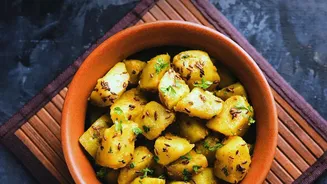
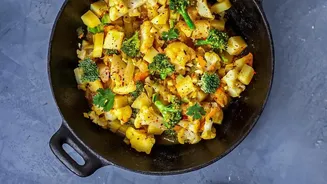
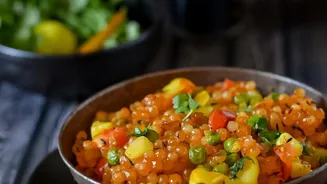
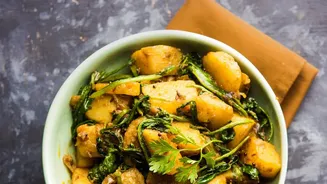
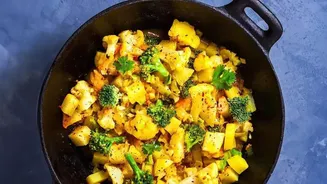
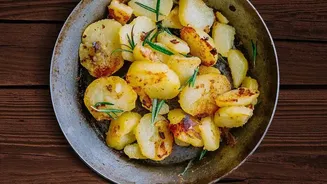
Down south in Tamil Nadu, the Urulai Roast (or Potato Roast) showcases a technique focused on creating a perfectly crisp texture. The process begins by parboiling potatoes until they are just tender, but not mushy. After being peeled and chopped, the potatoes are pan-roasted, often in a cast-iron skillet. The key is to roast them on a low to medium flame, allowing the exterior to become wonderfully crispy and brown while the inside remains soft. During the roast, they are tossed with a distinct South Indian spice blend, which can include sambar powder or a freshly ground mix of lentils, red chillies, and other spices, along with a tempering of mustard seeds and curry leaves. This patient roasting technique is what gives the dish its signature addictive quality.