





The Solar Power Surge
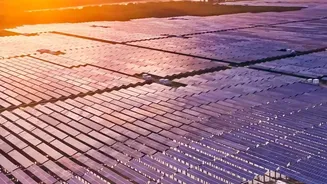
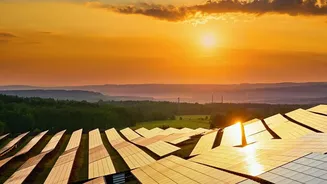
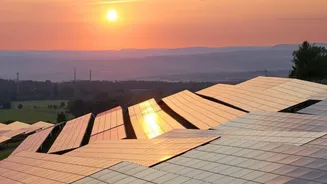
India is harnessing its abundant sunshine to fuel a green energy revolution, transforming its economic and environmental future. With over 300 sunny days a year, the country has become one of the world's leading markets for solar power. This explosive
growth is powered by ambitious government policies aimed at achieving energy security and reducing carbon emissions. Initiatives like the National Solar Mission, PM-KUSUM for farmers, and the PM Surya Ghar yojana for residential rooftops are making solar energy more affordable and accessible for millions. A key driver is the Production-Linked Incentive (PLI) scheme, which is aggressively promoting domestic manufacturing of solar panels and components. This push has already made India the world's second-largest solar PV manufacturer, drastically cutting dependence on imports and fostering self-reliance under the Atmanirbhar Bharat mission. The results are clear: India's installed solar capacity has seen a remarkable increase, positioning it to meet its goal of 500 GW from renewable sources by 2030.
An Aerospace Ascent
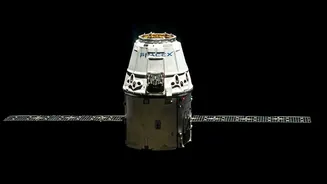
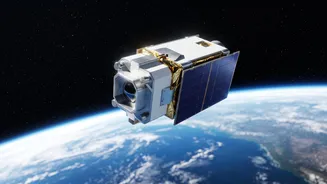
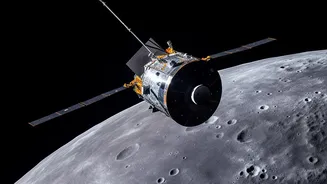
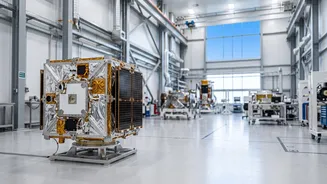
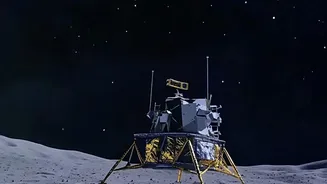
Simultaneously, India's aerospace sector is reaching for new heights, transitioning from a technology importer to a global hub for manufacturing and innovation. This ascent is visible in both civil aviation and the burgeoning space industry. The government's 'Make in India' initiative has catalyzed domestic production in defence and aerospace, with global giants like Boeing and Airbus significantly increasing their sourcing from Indian suppliers. The civil aviation market is among the fastest-growing worldwide, driving demand for new aircraft, airport infrastructure, and Maintenance, Repair, and Overhaul (MRO) services. In the space domain, a transformative policy shift has opened the doors to private enterprise. Since 2020, reforms have spurred a dramatic increase in space startups, with companies like Skyroot Aerospace and Agnikul Cosmos moving from innovation to commercial execution. The goal is to expand India's space economy nearly five-fold to between $40 billion and $45 billion by 2030, leveraging private investment to complement the pioneering research of ISRO.
The Common Thrust: Self-Reliance and Technology
Though they operate in different realms, the solar and aerospace sectors share a common foundation driving their success: a national mission for self-reliance (Atmanirbhar Bharat) and a focus on high-value, technology-driven manufacturing. Both industries are prime examples of how targeted government policies, such as PLI schemes and the opening of sectors to private investment, can create robust domestic ecosystems. This strategy not only builds industrial capacity but also generates significant employment, from factory workers in solar plants to highly skilled engineers in aerospace R&D. By developing local supply chains, India is reducing its vulnerability to global disruptions and retaining economic value within the country. This strategic alignment is turning India into a competitive player in global high-tech value chains, attracting investment and building a reputation for cost-competitive, quality manufacturing.
Challenges on the Horizon
Despite the impressive trajectory, both sectors face hurdles. The solar industry must contend with challenges related to land acquisition for large-scale parks, integrating variable power into the national grid, and ensuring the complete localization of its value chain to avoid any remaining import dependencies. For the aerospace and defence sector, long project gestation periods, the high cost of developing new technologies, and intense global competition remain significant challenges. Furthermore, the rapidly growing civil aviation market needs a corresponding expansion in skilled human resources, including pilots, technicians, and airport management personnel, to sustain its growth. Successfully navigating these issues will be crucial for maintaining the momentum that both sectors have built and for fully realizing their potential as core drivers of India's long-term economic growth.