



Why Protein at Lunch is a Game-Changer
Before we dive into the contenders, let's understand why protein is so crucial for your lunch. Protein is a macronutrient that takes longer to digest, which means it helps you feel full and satisfied for hours. This prevents the energy crashes and cravings
for unhealthy snacks that often follow a carbohydrate-heavy meal. A protein-rich lunch helps maintain stable blood sugar levels, supports muscle repair and growth, and boosts your metabolism. For anyone looking to manage their weight, build strength, or simply power through a busy afternoon, prioritising protein is non-negotiable.
The Case for Dal: The Humble Powerhouse
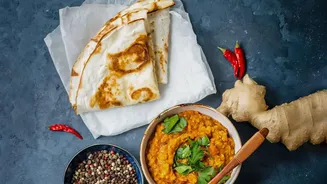
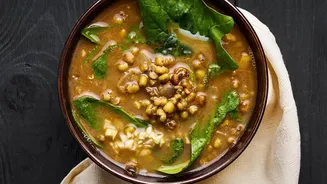
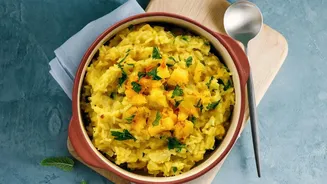
Dal is the cornerstone of Indian cuisine and for good reason. It's affordable, versatile, and packed with nutrients. A 100-gram serving of cooked dal provides approximately 7-9 grams of protein. While this may seem lower than other sources, dal's strength lies in its complete nutritional package. It's an excellent source of dietary fibre, which aids digestion and promotes gut health. Dals are also rich in essential minerals like iron, folate, potassium, and magnesium. To make dal a 'complete' protein with all essential amino acids, it's best paired with rice or roti. This traditional combination creates a protein quality that rivals animal sources, making it perfect for vegetarians.
The Paneer Advantage: A Dairy Delight
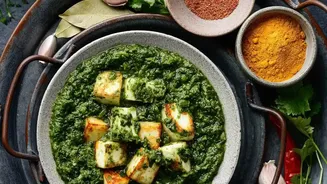
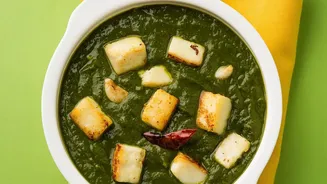
Paneer, or Indian cottage cheese, is a favourite for its creamy texture and rich flavour. It's a powerhouse of high-quality protein, with a 100-gram serving offering between 18 to 20 grams. As a dairy product, paneer is a complete protein, meaning it contains all nine essential amino acids your body needs for muscle repair. It is particularly rich in casein, a slow-digesting protein that provides a steady release of amino acids, making you feel fuller for longer. Furthermore, paneer is an excellent source of calcium and phosphorus, which are vital for strong bones and teeth. However, it's also higher in fat and calories compared to dal and soya, so portion control is key, especially if you are managing your weight.
Soya's Strength: The Plant-Based Champion
When it comes to sheer protein content, soya chunks are in a league of their own. A 100-gram serving of dry soya chunks contains a staggering 52 grams of protein. Even after being cooked and rehydrated, they remain a potent protein source. Soya is one of the few plant-based foods that is a complete protein, providing all essential amino acids. It is also incredibly low in fat and cholesterol-free, making it an excellent choice for heart health and weight management. Soya chunks are rich in fibre, iron, and calcium, supporting everything from digestion to bone density. Their meat-like texture makes them a versatile substitute in many dishes, from curries to pulao.
The Nutritional Showdown: By the Numbers
Let's put them side-by-side. For every 100 grams: Dal (cooked): Offers about 9g of protein, 8g of fibre, and is very low in fat (around 0.4g). It's the most budget-friendly option. Paneer (full-fat): Provides 18-20g of protein but comes with about 20g of fat and higher calories. It's a great source of calcium. Soya Chunks (dry): Leads with an impressive 52g of protein and is extremely low in fat (around 0.5g). It's a cost-effective way to maximize protein intake. Ultimately, soya chunks are the clear winner on protein density, while dal excels in fibre content and affordability. Paneer offers a good balance of protein and fat for satiety, along with bone-building calcium.
Making Your Choice: It’s All About Your Goals
The best protein source for you depends on your individual needs. If your goal is muscle building on a budget, soya chunks are an unbeatable choice due to their high protein-to-cost ratio. For those looking to manage weight, both soya and dal are excellent low-fat, high-fibre options that promote fullness. If you enjoy dairy and are looking for a slow-releasing protein that keeps you satiated, paneer is a fantastic option, provided you are mindful of the portion size. For overall health, the best approach is not to pick one but to rotate all three. This ensures you get a wide array of nutrients, from dal's fibre to paneer's calcium and soya's complete amino acid profile.