



A Staple Reimagined
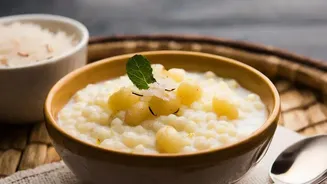
Sabudana, or tapioca pearls, holds a special place in Indian kitchens. As a pure starch extracted from cassava root, it's a non-grain food that provides a quick burst of energy, making it a go-to ingredient during religious fasts (vrat or upwas). Traditionally,
it’s the heart of savory dishes like the fluffy Sabudana Khichdi, crispy Sabudana Vada, and even flatbreads like thalipeeth. While Sabudana Kheer has long been a familiar sweet preparation, its role was often simple. The idea of sabudana forming the very foundation of a complex dessert like rasmalai, however, marks a significant creative leap, challenging our perception of this humble ingredient.
Enter Sabudana Rasmalai
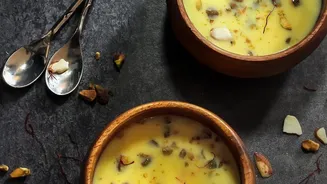
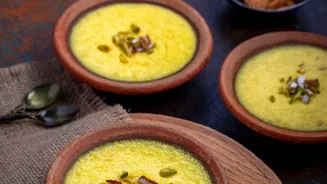
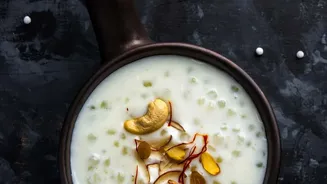
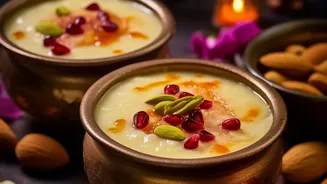
The new creation is exactly what it sounds like: a fascinating fusion where sabudana steps in for chenna (paneer). In traditional rasmalai, soft, spongy discs of fresh cheese are soaked in a fragrant, thickened milk known as rabri. In this variation, the discs are made from sabudana. The process involves soaking the tapioca pearls until they are soft, then grinding or mashing them, often with a little milk powder or sugar, to form a dough. This dough is then shaped into small, flat patties that are gently cooked before being submerged in the chilled, cardamom- and saffron-infused milk. The result is a dessert that looks strikingly similar to its classic counterpart but offers a completely different textural experience.
How (and Why) It Works
The magic of this swap lies in sabudana's inherent properties. Its high starch content, which can sometimes make it sticky and tricky to cook, is the very quality that allows it to work in this context. When soaked and cooked, the pearls become soft, chewy, and translucent. By grinding them into a paste, home cooks and chefs can create a cohesive base that holds its shape when cooked. Unlike chenna, which is light and crumbly, the sabudana patty offers a softer, more gelatinous and chewy texture. These pearls are excellent at absorbing liquid, allowing them to soak up the sweet, creamy rabri, much like their cheese-based predecessors. This makes it a practical, gluten-free alternative and a creative option for fasting days when new dishes are always welcome.
A Sign of the Times
Sabudana Rasmalai isn’t just a culinary oddity; it’s a perfect example of a broader trend in modern Indian food. Kitchens across the country are buzzing with innovation, driven by a desire to blend nostalgia with novelty. We're seeing chefs and home cooks alike looking at traditional ingredients with fresh eyes. Think of Nutella barfis, gajar halwa cheesecakes, and millets finding their way into brownies. This movement is about honouring the flavours we grew up with while playfully breaking the rules. It reflects a growing confidence in our own culinary heritage, where an ingredient is no longer defined by its most common use but by its potential. The question is no longer just "What do we usually make with this?" but "What else could this become?".