




Two Unique Microbial Worlds
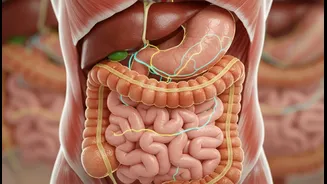
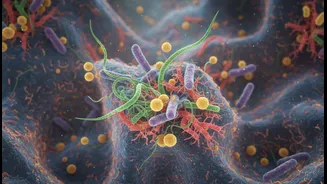
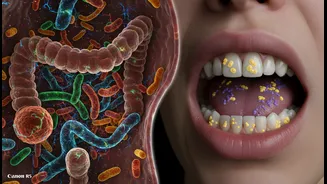
Your body is home to two major, distinct microbial ecosystems: the oral microbiome in your mouth and the gut microbiome in your intestines. Think of them as two bustling cities. The mouth is the gateway, constantly exposed to oxygen, fluctuating temperatures,
and the first impact of everything you eat and drink. Its resident microbes are specialists in beginning the process of digestion and defending against inhaled or ingested pathogens. The gut, on the other hand, is a much more stable, oxygen-free environment. Its microbes perform different, though equally vital, jobs like absorbing nutrients, producing essential vitamins, and regulating a large part of your immune system. While these two communities are connected—what happens in the mouth can eventually influence the gut—they are fundamentally different environments.
Diet's Diverging Impact
Recent studies have started to shed light on how differently these two microbial worlds respond to the same dietary changes. For instance, research on high-fat diets found that while the diversity of microbes decreased in both the mouth and the gut, the effect was much stronger in the gut. Some types of bacteria changed consistently in both locations, but others showed alterations exclusively in one environment or the other. Even more surprisingly, some foods that are considered beneficial for the gut can be problematic for the mouth. Fermentable carbohydrates, like certain prebiotic fibres that feed good gut bacteria, can also fuel the growth of acid-producing bacteria in the mouth that contribute to tooth decay and gum inflammation.
Why The Difference Occurs
The primary reason for this split reaction lies in the unique conditions of each location. The food you chew is in a very different state than the digested material that reaches your large intestine hours later. Oral microbes get the first pass at sugars and carbohydrates, breaking them down directly. Diets high in refined sugars can promote bacteria linked to cavities and gum disease. In contrast, by the time food reaches the gut, it has been broken down by stomach acid and enzymes. Gut microbes then feast on the remaining fibres and complex compounds, producing beneficial substances like short-chain fatty acids (SCFAs), which are vital for gut barrier integrity and reducing systemic inflammation. The initial exposure in the mouth is simply a different metabolic ballgame than the long-term fermentation process in the gut.
From Mouth to Gut: A Connected System
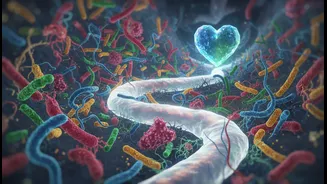
This isn't just a curious biological fact; it has real-world health implications. The health of your oral microbiome is increasingly linked to systemic conditions, including cardiovascular disease and diabetes. An imbalance in the mouth, known as oral dysbiosis, can allow harmful bacteria to travel to the gut, potentially disrupting its balance and contributing to issues like inflammatory bowel disease (IBD). For example, studies have noted that patients with IBD often show more similarities between their oral and gut microbiomes than healthy individuals, suggesting a migration of oral bacteria. This highlights a bidirectional relationship known as the oral-gut axis, where the health of one directly influences the other.