




Decoding the 'Protein Ingredient'
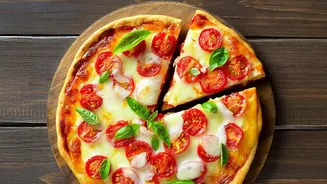
When we talk about a high-protein pizza, there isn't one single magic ingredient. Instead, the protein boost typically comes from two main sources. The first is the use of whole foods that are naturally rich in protein. This can involve swapping out the traditional
refined flour (maida) base for alternatives made from chickpeas, moong dal, paneer, or even Greek yogurt. These ingredients not only increase the protein content but can also add fibre and other nutrients. The second method involves fortifying the pizza with protein isolates, which are powders derived from sources like whey, casein, soy, or peas. This powder can be mixed directly into the dough of the crust, significantly increasing the protein grams per slice without drastically changing the taste or texture. This is a common technique used in many commercially produced 'high-protein' snacks and foods.
The Whole Food Approach
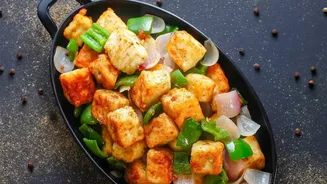
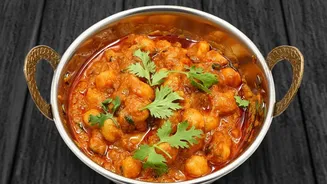
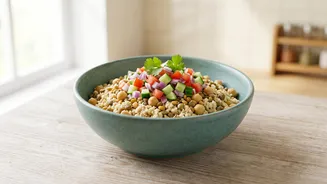
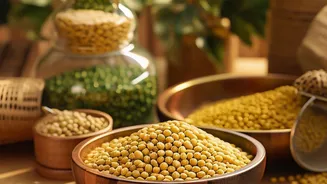
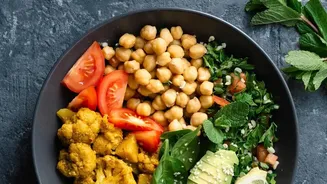
In India, the trend of using whole foods to create healthier versions of classic dishes is gaining immense popularity. For pizza, this often means creating a base from ingredients familiar to the Indian kitchen. Recipes for pizza crusts made from moong dal or besan (gram flour) are widely shared online, offering a gluten-free and protein-rich alternative to maida. Another popular method involves using blended paneer or Greek yogurt mixed with a small amount of flour to form a pliable dough. These approaches are rooted in a desire for less processed, more naturally nutritious meals. Beyond the crust, toppings are also key. Generous helpings of paneer, grilled chicken, or even chickpeas are used to build a pizza that is genuinely high in protein from top to bottom, moving it from a simple indulgence to a more balanced meal.
The Rise of Protein Powders
The other path to a protein-heavy pizza is through supplementation. Whey protein, a byproduct of cheese production, is a 'complete protein' containing all essential amino acids and is a favourite among fitness enthusiasts for muscle building. Food manufacturers and health-conscious home cooks are now incorporating unflavoured whey or plant-based pea protein directly into pizza dough. The appeal is clear: it’s an efficient way to boost the protein count significantly. While whey is a dairy product, plant-based powders like pea and vital wheat gluten offer vegan alternatives. However, this method brings the pizza closer to the category of a 'fortified food,' which requires a more critical look at its overall nutritional value.
The 'Health Halo' Trap
Here's where context is crucial. A 'high protein' label can create a 'health halo,' making us believe a food is healthier than it actually is. Adding protein doesn't automatically negate other, less desirable ingredients. A pizza, even with a protein-fortified crust, can still be very high in sodium, saturated fat from cheese, and refined carbohydrates, depending on how it's made. Nutrition experts caution consumers to look beyond the front-of-package marketing claim. It's essential to read the entire nutrition label. A protein-fortified cookie is still a cookie, and a pizza loaded with processed meats and excessive cheese is still an indulgence, regardless of its protein content. The goal of protein should be to fill nutritional gaps, not to justify eating ultra-processed food.