





The Heart of the Home
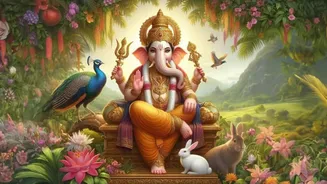
For many families, the essence of the festival lies within the home. Here, Ganpati celebrations are intimate, personal, and deeply traditional. A small corner or a dedicated room is transformed into a temporary temple, a sacred space for Bappa. Decorations
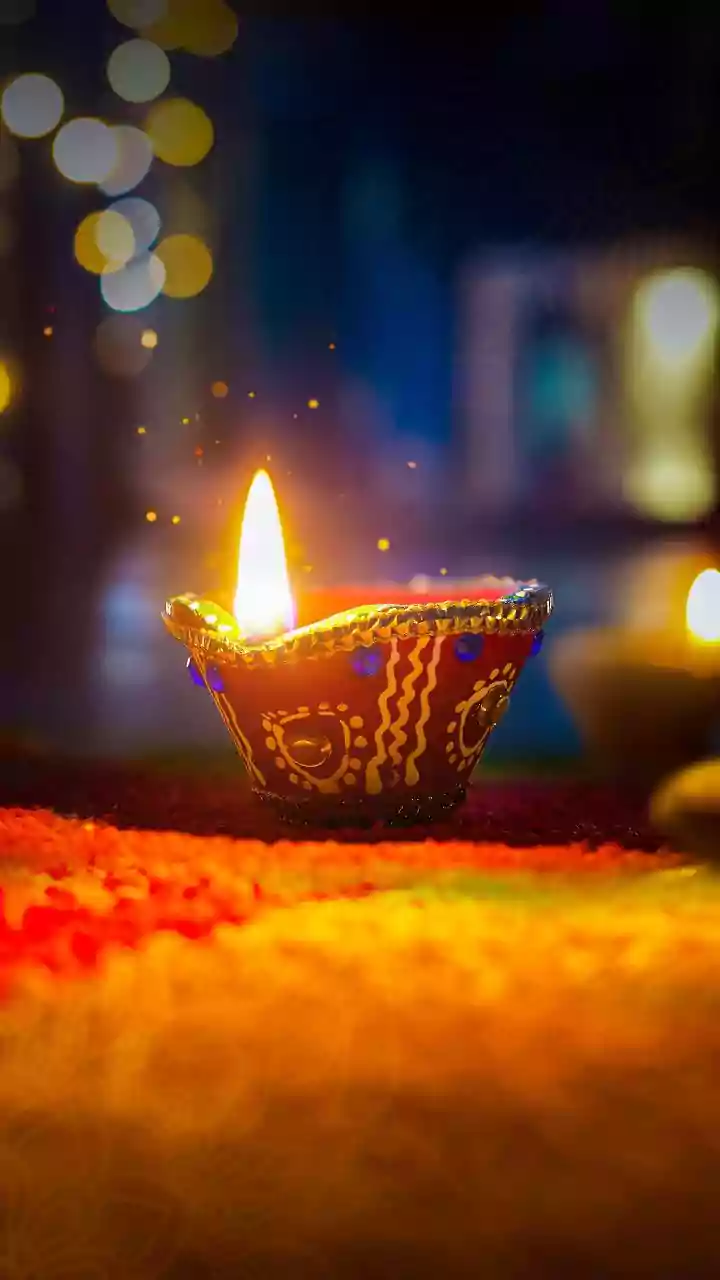
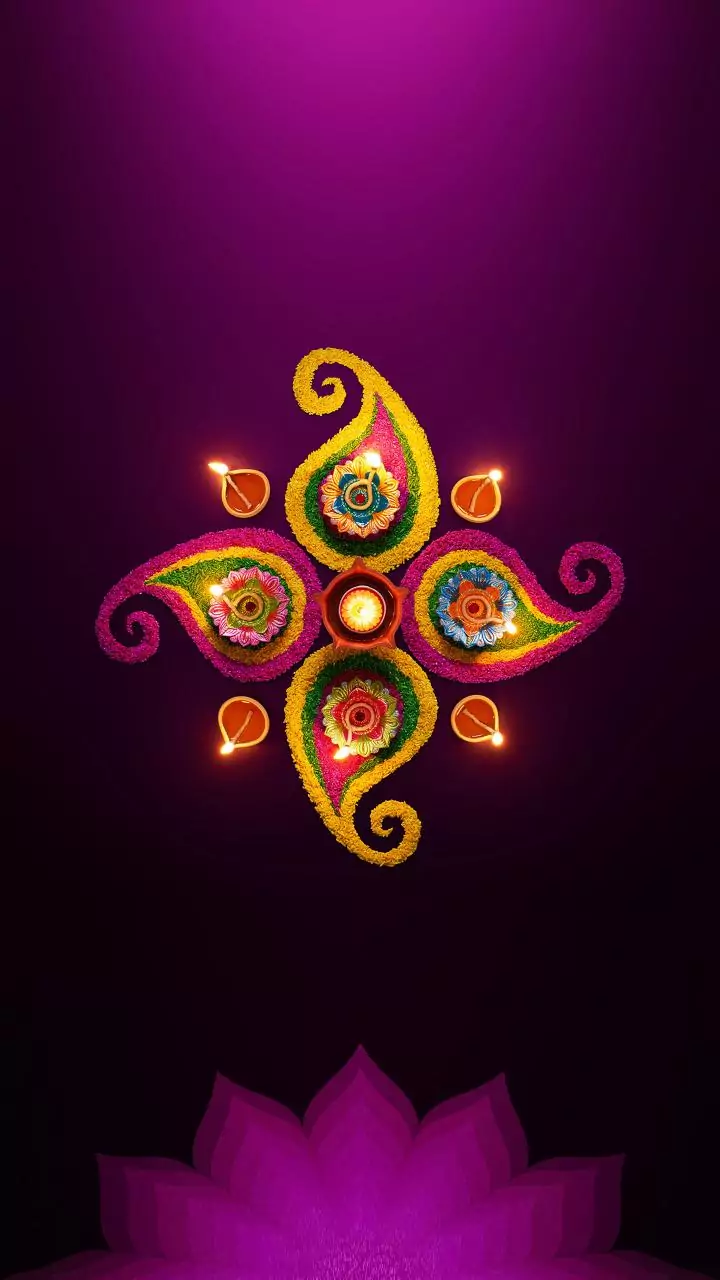
often feature timeless elements. Garlands of marigold and jasmine, fragrant and bright, are draped around a small mandap. Diyas and fairy lights cast a warm, divine glow, creating a serene ambiance for prayers. Often, these decorations are a family affair, with children and adults coming together to craft backdrops from colourful paper, dupattas, or even recycled cardboard. This trend towards DIY and homemade decor not only adds a personal touch but also fosters a sense of togetherness and shared devotion.
A Greener Devotion
In recent years, a significant and welcome trend in home decorations is the move towards eco-friendly practices. Families are increasingly opting for idols made of natural clay (shadu mati) or even turmeric, which dissolve harmlessly in water. This environmental consciousness extends to the decor as well. Plastic and thermocol are giving way to natural materials like banana leaves, mango leaves, jute, and bamboo. You might see a backdrop made entirely of fresh leaves, or a mandap constructed from simple cardboard, adorned with flowers and reusable cloth. This shift reflects a modern form of devotion—one that honours Lord Ganesha by protecting the world he is believed to have created.
The Spectacle of the Pandal
In stark contrast to the quiet intimacy of home altars are the magnificent public pandals. These temporary structures, erected by local communities and mandals, are the epicentre of grand-scale celebrations, a tradition started by freedom fighter Lokmanya Tilak in 1893 to unite people. Pandals are where creativity, community pride, and devotion are put on dazzling display. Each year, mandals across cities like Mumbai and Pune compete to create the most awe-inspiring themes. These themes can be anything from replicas of famous temples and mythological scenes to commentary on social issues or futuristic visions. The idols themselves are often colossal, towering over the devotees who flock to catch a glimpse.
Artistry and Community Spirit
The creation of a pandal is a monumental effort, often beginning months in advance. It involves artists, engineers, electricians, and countless volunteers from the community. Famous pandals like Mumbai's Lalbaugcha Raja, known for its wish-fulfilling idol, attract millions of visitors daily. Others, like the G.S.B. Seva Mandal, are famous for their opulent idols adorned with kilograms of gold. Beyond the spectacle, these pandals serve a crucial social function. They are hubs of cultural activity, hosting everything from traditional music and dance performances to community feasts. They collect funds not just for the festival but also for year-round social services, reinforcing the spirit of togetherness that lies at the heart of the Sarvajanik Ganeshotsav.