




The Power of Your Plate
Cooking at home is about more than just saving money; it's one of the most powerful investments you can make in your long-term health. When you control your ingredients, you naturally reduce your intake of processed foods, unhealthy fats, excess salt,
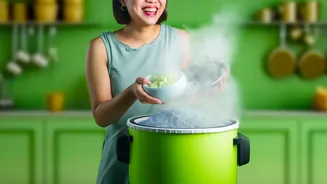
and hidden sugars. This single change can have a profound impact, helping to support your immune system, improve sleep, and lower the risk of chronic conditions like heart disease, diabetes, and high blood pressure. Beyond the physical benefits, preparing your own meals can boost your mood, sharpen your mind, and serve as a form of stress relief. It's a foundational habit that nourishes your body and mind from the inside out.
Master the Balanced Meal
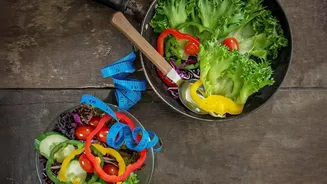
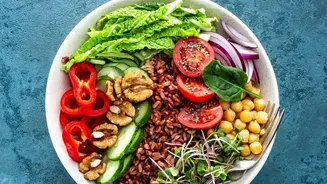
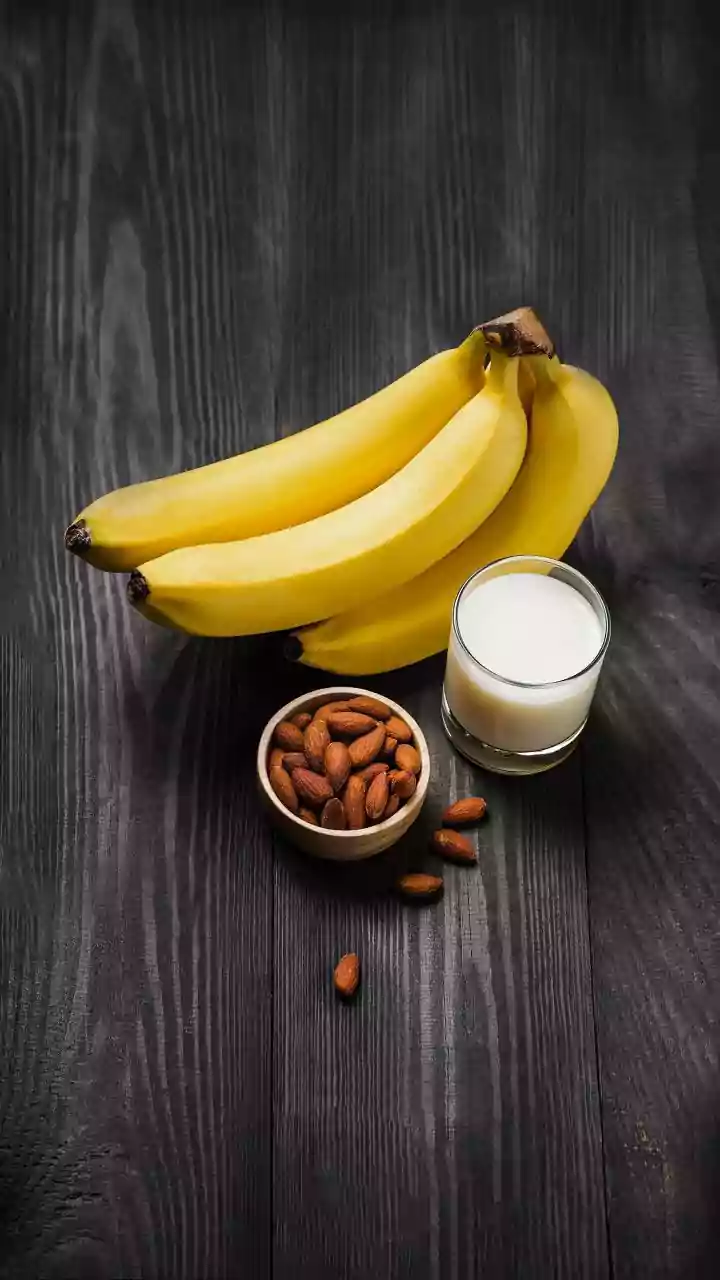
The secret to a satisfying and nutritious meal isn't complicated rules but a simple visual guide. Imagine your plate divided into sections. Fill half of it with colourful vegetables and fruits, which provide essential vitamins, minerals, and fibre. Dedicate one quarter to a lean protein source like beans, lentils, fish, eggs, or chicken. Protein helps repair tissues and keeps you feeling full and satisfied long after you've finished eating. The final quarter should be for high-fibre starchy carbohydrates, such as brown rice, whole-wheat chapati, or potatoes with their skins on. These provide sustained energy to power you through your day. Round it out with a source of healthy fat, like avocado, nuts, or a drizzle of olive oil, which is crucial for brain health.
Cook Smarter, Not Harder
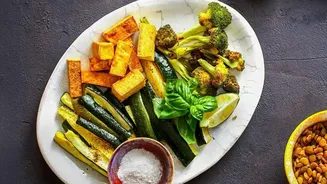
Healthy cooking doesn't have to mean bland or boring food. The key is to use cooking methods that preserve nutrients and flavour without adding unnecessary fats. Techniques like steaming are excellent for vegetables, as they retain more vitamins and minerals compared to boiling. Roasting and baking are fantastic ways to cook everything from vegetables to meats, bringing out their natural sweetness with minimal oil. When you do use oil, choose healthier options like olive or canola oil and use them sparingly. A simple sauté or stir-fry can be a quick and healthy way to prepare a meal, especially on busy weeknights. Grilling is another great method that adds a smoky flavour without needing extra fat.
Plan Ahead for Success
One of the biggest hurdles to healthy eating is a lack of planning. Taking just 20-30 minutes once a week to plan a few meals can save you from decision fatigue and last-minute unhealthy choices. Start small by planning just three or four dinners for the upcoming week. Check your pantry and fridge first to see what you already have, then make a targeted grocery list. You don't have to cook elaborate meals every night; plan for a leftover night or a very simple meal for days you know will be hectic. Even prepping a few components on a Sunday—like chopping vegetables, cooking a batch of brown rice, or marinating chicken—can make weekday cooking significantly faster and less stressful.
Embrace Whole Foods
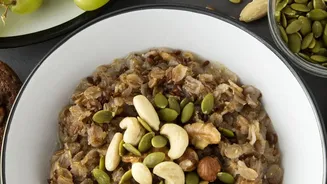
A simple principle for healthier cooking is to prioritise whole foods—ingredients that are as close to their natural state as possible. This means choosing fresh vegetables and fruits, whole grains instead of refined ones, and lean proteins over processed meats. When you cook with whole foods, you automatically increase your intake of fibre, vitamins, and other essential nutrients that support gut health and overall wellness. Reading ingredient labels is a powerful habit. If a product has a long list of ingredients you can't pronounce, it's likely highly processed. By focusing on simple, fresh ingredients, you gain complete control over what you're eating and nourish your body more effectively.