
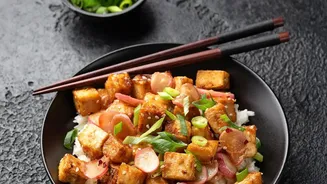
The Common Tofu Tragedy
Tofu is a culinary chameleon, but it has an unfortunate tendency to go wrong. The most common pitfall is a soggy texture. Tofu is packed in water, and if that moisture isn't dealt with, the tofu steams instead of fries. When you add it to a pan with vegetables
and sauce, it soaks up the liquid like a sponge, losing any hope of a crispy exterior and often becoming mushy. This happens because the pan's heat is spent evaporating the water from the tofu's surface, preventing it from getting hot enough to create a delicious, golden-brown crust. The result is a textural letdown, where every component of the bowl feels soft and the tofu fails to provide a satisfying contrast.
The Secret to a Perfect Crisp
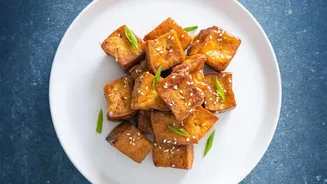
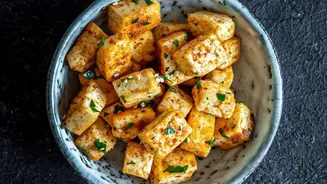
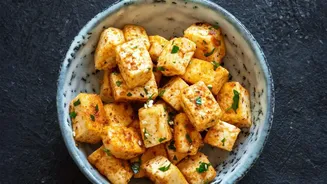
The game-changing technique is simple: cook your tofu separately before it ever meets the sauce. To achieve a truly crispy exterior, you need to follow three key steps. First, press your tofu. While some methods skip this, pressing firm or extra-firm tofu removes excess water, which is crucial for getting a firmer, crispier result. Simply wrap the block in a towel, place it on a plate, and put something heavy on top for at least 30 minutes. Second, cut it into cubes and coat it. Tossing the pressed tofu in cornstarch is the secret weapon for a golden, crunchy crust. A light coating is all you need. For extra flavour, you can toss it with a little soy sauce before the cornstarch. Third, pan-fry it in a hot, oiled skillet. Don't overcrowd the pan, and let the cubes cook for a few minutes on each side until they are golden brown and release easily.
Building the Perfect Flavour
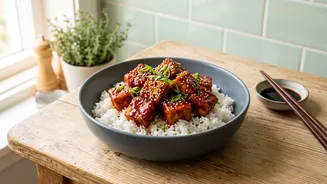
Once you've mastered crispy tofu, you need a sauce that complements its texture without ruining it. This is where gochujang shines. The Korean fermented chili paste delivers a complex trifecta of sweet, spicy, and savory umami notes that can elevate any dish. Creating a balanced gochujang sauce is easy. Whisk together gochujang (start with a tablespoon or two, depending on your spice preference), soy sauce, a sweetener like maple syrup or agave, minced garlic, a splash of rice vinegar, and a touch of sesame oil. Some recipes also include ginger or a little ketchup for added tang. This sauce is not for cooking the tofu in, but for glazing it at the very end.
Why This Method Works
Frying the tofu separately ensures that it develops a stable, crispy crust that can stand up to a sauce. By adding the sauce at the end, or simply drizzling it over the tofu in the bowl, you prevent the crispy exterior from steaming and turning soft. When you toss cornstarch-coated tofu directly into a stir-fry, it might thicken the sauce, but the tofu itself will never achieve that crave-worthy crunch. Cooking it alone in a hot pan gives it the direct heat needed for the Maillard reaction—the chemical process that creates that beautiful browning and rich, savory flavour. This separation of steps is the fundamental difference between homemade tofu bowls and their restaurant-quality counterparts.
Assembling Your Masterpiece
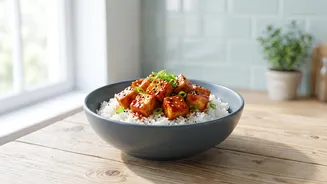
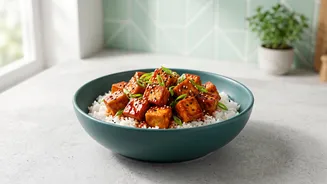
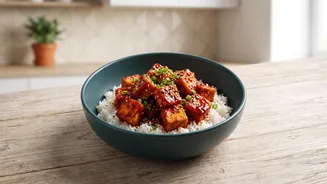
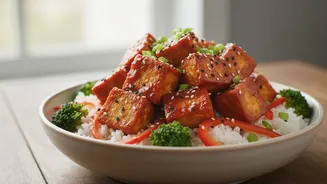
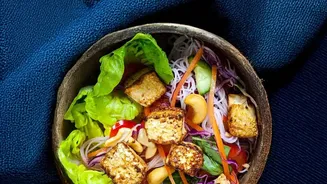
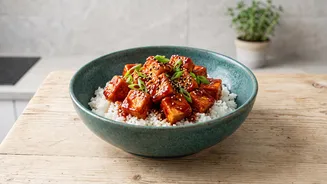
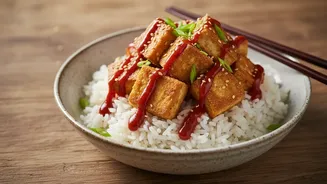
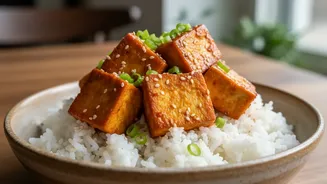
With your perfectly crisped tofu and flavourful gochujang sauce ready, assembling the bowl is the final, satisfying step. Start with a base of fluffy steamed rice. Arrange your crispy tofu cubes on top. Next, add your choice of fresh or steamed vegetables—broccoli, bok choy, shredded carrots, and edamame all work beautifully. Drizzle the gochujang sauce generously over the tofu and vegetables. For a final flourish, garnish with a sprinkle of sesame seeds and some finely chopped green onions. Each bite will offer a delightful contrast: the warm, soft rice, the crisp vegetables, the crunchy and flavourful tofu, and the sweet heat of the sauce tying it all together.