






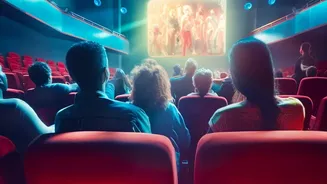
An Experience, Not Just a Viewing
For a generation raised on the infinite scroll and on-demand streaming, the idea of leaving the house for entertainment requires a powerful draw. It turns out that draw isn't just the movie, but the entire experience surrounding it. This trend has seen
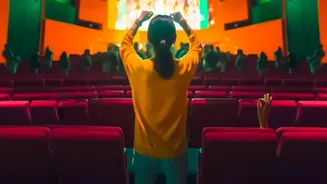
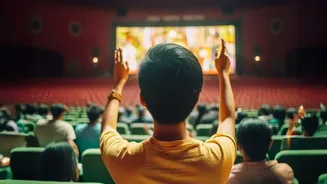
young audiences turn film premieres into participatory events. Think of the seas of pink for "Barbie" or the ironic formality of suits worn by the "Gentleminions" for a "Minions" movie. These are not just fashion statements; they are signals of belonging to a shared cultural moment. For Gen Z, the cinema is becoming a 'third space'—a social hub away from home and work where connection is the main attraction. This shift redefines the outing from a passive viewing to an active, social gathering.
The Social Media Feedback Loop
The ritual doesn't just happen in the theatre; it's amplified and organized online. Platforms like TikTok and Letterboxd are central to this phenomenon. Trends take root, inside jokes are formed, and plans are made, all of which drive audiences to the cinema to be part of the conversation. Seeing the movie allows you to understand the memes, contribute to the discourse, and log your review, turning a personal opinion into a shareable piece of social currency. This digital pre-game and post-game analysis extends the life of the event far beyond its two-hour runtime. A Fandango study in early 2026 found that 87% of Gen Z had seen a movie in theatres in the last year, making them the most frequent moviegoing generation. This attendance is fueled by a desire to participate in the very culture that social media reflects and shapes.
A Cure for Digital Loneliness
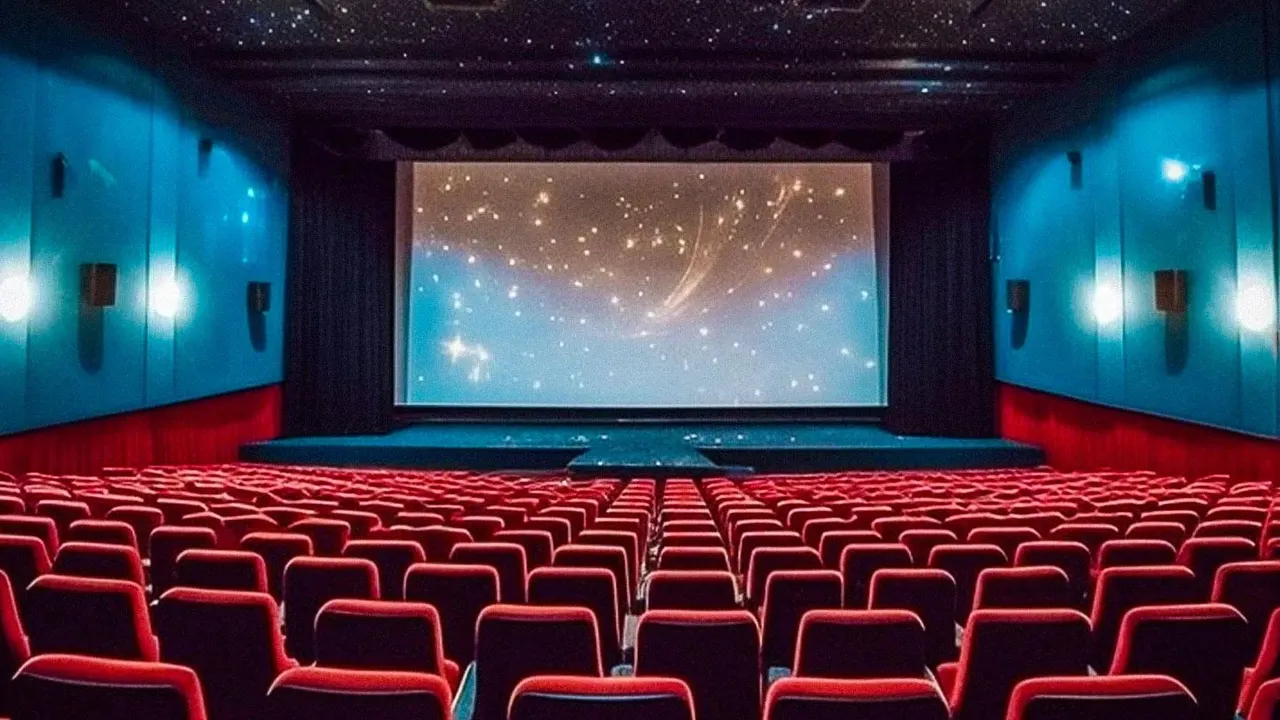
This embrace of the collective cinema experience can be seen as a direct response to a digitally saturated and often isolating world. Especially in the wake of the pandemic, which pushed social lives online, there is a palpable hunger for tangible, real-world interactions. While streaming offers convenience, it is a solitary activity. The cinema provides something algorithms cannot: the electric feeling of a shared reaction, whether it's a collective gasp during a horror film or a room erupting in laughter. Experts note that for a generation sometimes called the 'loneliest', the movie theatre offers a rare space for in-person connection. It has become one of the few places where putting your phone away is the social norm, allowing for an immersive, distraction-free experience.
From Passive Viewers to Active Participants
This trend marks a fundamental shift in the relationship between the audience and the film. Previous generations were largely consumers of a finished product. Gen Z, however, acts more like co-creators of the film's cultural impact. They are not just watching the story; they are making themselves part of it through their rituals, their online content, and their communal enthusiasm. This active participation turns a movie release into a cultural landmark that is defined as much by the audience's response as by the film itself. By embracing the social and experiential aspects, Gen Z is not just saving the cinema from the threat of streaming; they are evolving it into something new entirely. They are demonstrating a deep need for communal storytelling and proving that even in the digital age, nothing beats being in a room where it happens.