





The Great Bathing Debate: Fact vs. Fiction
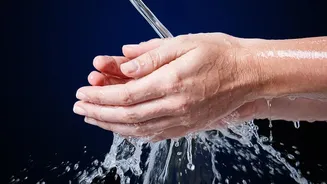
One of the most persistent myths, particularly in Indian households, is that bathing during a fever can make you sicker. Medical experts, however, generally agree that taking a bath in a fever is safe and can even be beneficial, provided it's done correctly.
The key is the water temperature. A short bath in lukewarm water can help you feel cleaner, more comfortable, and refreshed. It helps remove sweat and can assist in regulating body temperature. However, you should strictly avoid both cold and very hot water. A cold bath, which might seem logical, can be counterproductive. It can cause shivering, a natural reflex where muscles contract to generate heat, which can actually increase your core body temperature. Extremely hot baths are also not recommended as they can cause dizziness and increase dehydration. So, the verdict is clear: a brief, lukewarm bath is your friend, not your foe.
Beyond the Bath: Core Principles of Fever Care
While the bathing question is important, effective fever management involves more than just hygiene. A fever is your body’s natural defence mechanism against an infection, but it can leave you feeling drained. The primary goals of at-home care are to improve comfort and prevent complications like dehydration. The first rule is to get plenty of rest. Your body is working hard to fight off whatever is causing the fever, and rest is essential for recovery. The second is to stay hydrated. Fevers can lead to fluid loss through sweating, so it's crucial to drink plenty of water, broths, or decaffeinated teas. Finally, dress in light, breathable clothing and use a light blanket if you feel chilled. Over-bundling can trap heat and make your temperature rise further.
The Role of Sponging and Medication
Tepid sponging is another method sometimes used to lower body temperature. Similar to bathing, it should be done with lukewarm, not cold, water. A damp cloth can be applied to the forehead, armpits, and neck. However, recent studies and medical guidelines have questioned its overall effectiveness compared to medication, noting that any cooling effect is often temporary and can cause discomfort. Over-the-counter medications like paracetamol (acetaminophen) or ibuprofen are effective at reducing fever and alleviating aches. These work by resetting the body's internal thermostat in the brain. It's important to use these medications as directed and not to overmedicate. They should be used to manage discomfort, not just to chase a number on the thermometer. If someone with a fever is resting peacefully, there's often no need to wake them for a dose of medicine.
When to Stop Self-Care and See a Doctor
While most fevers can be managed at home, certain signs indicate it’s time to seek professional medical help. For an adult, a primary red flag is a very high fever, generally considered 103°F (39.4°C) or higher, that doesn't respond to medication. You should also see a doctor if a fever persists for more than three days. Other warning signs that require immediate medical attention include severe headache or a stiff neck, difficulty breathing, chest pain, confusion or extreme drowsiness, and persistent vomiting. If you're ever in doubt, especially with very young children, the elderly, or individuals with compromised immune systems, consulting a healthcare professional is always the safest course of action.