




The Amla Capital of India
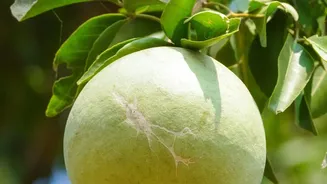
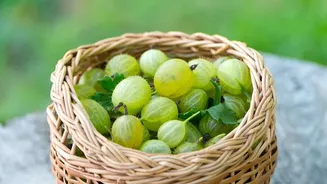
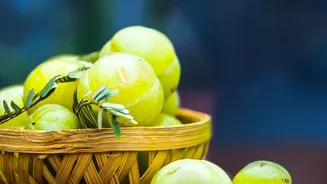
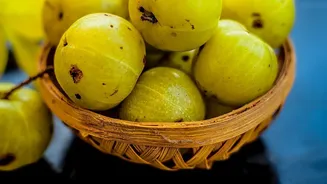
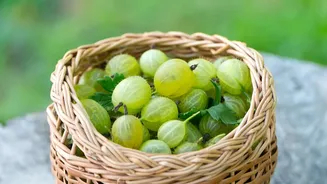
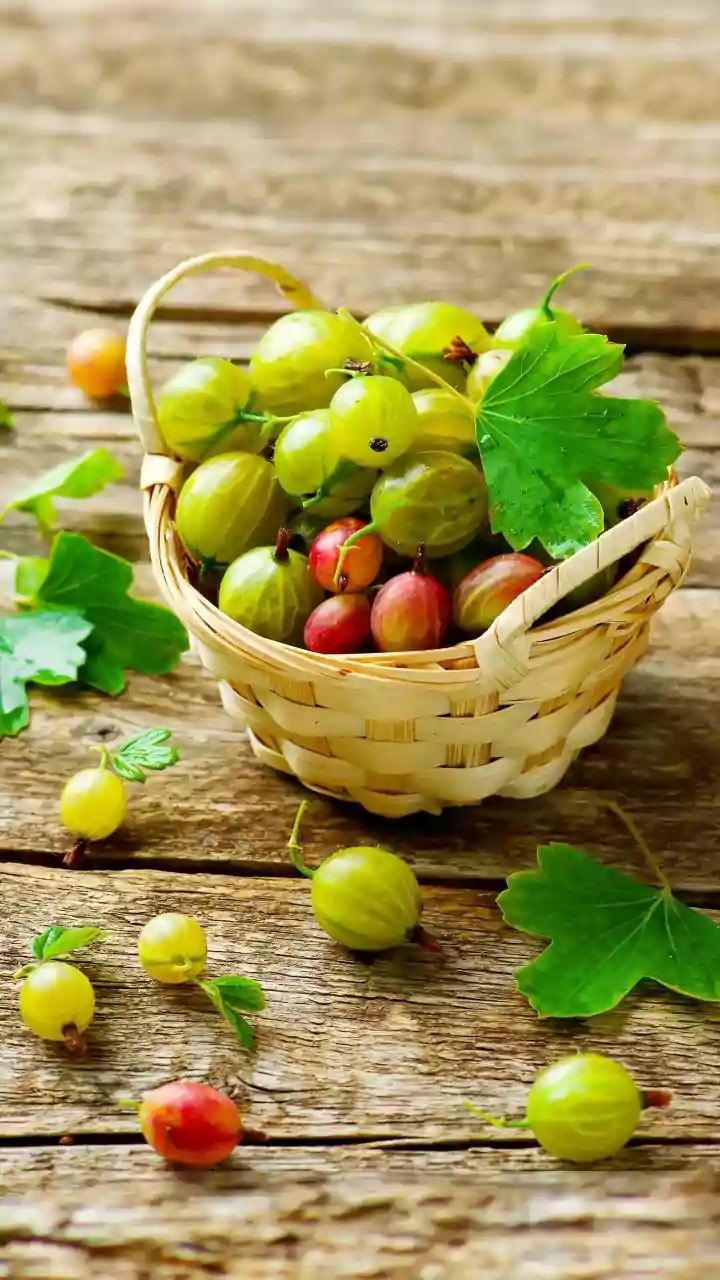
Pratapgarh district has earned the title 'The City of Aonla' for good reason. An estimated 20,000 hectares of land here are dedicated to the cultivation of amla, or the Indian gooseberry. This makes it the single largest amla-producing district in Uttar
Pradesh, a state that itself accounts for a staggering 60% of India's total amla production. This immense concentration has created a unique ecosystem where the local economy, culture, and identity are deeply intertwined with this small, tart, greenish-yellow fruit. The produce from Pratapgarh's sprawling orchards travels across the country and even internationally, cementing its status as the nation's primary source for this wellness powerhouse.
From Local Crop to National Asset
The district's dominance is no accident. The alluvial soil, fed by the Sai River, provides the perfect conditions for amla trees to flourish. Generations of farmers have passed down cultivation techniques, honing their ability to maximize both the quality and yield of the fruit. This deep agricultural knowledge has been supercharged by government support, most notably through the 'One District One Product' (ODOP) scheme. Under this initiative, Pratapgarh's amla was identified as its signature product, unlocking focused support for processing, branding, and market access. This recognition, along with a Geographical Indication (GI) tag awarded in March 2023, has protected the unique identity of Pratapgarh's amla and elevated its status from a simple farm commodity to a prized regional treasure.
The Economics of a Superfruit
The amla economy in Pratapgarh is a lifeline for thousands. It provides a crucial source of income for small and marginal farmers, many of whom have shifted to amla cultivation due to its resilience and high market demand. But the economic impact extends far beyond the orchards. The district is home to around 100 processing units that transform the raw fruit into a wide array of value-added products. This thriving industry creates year-round employment for labourers, packers, traders, and entrepreneurs. Women, in particular, have found new economic opportunities through self-help groups that produce everything from amla candy and juice to pickles and powders, significantly boosting household incomes. The total turnover from amla-related business in the district has crossed ₹50 crore, showcasing its vital role in the local economy.
A Journey from Orchard to You
When the amla is harvested, its journey is just beginning. While some of the fresh fruit is sold directly in markets, the majority is channeled into the district's bustling processing industry. Here, the gooseberries are cleaned, graded, and sorted. Larger fruits might be destined for murabba (sweet preserve), mid-sized ones for candy, and smaller ones for juice or to be dried into powder. This value addition is key, as it transforms a seasonal fruit with a short shelf life into products like juice, pickles, laddoos, jams, and powders that can be stored and sold throughout the year. These products, including the famous Ayurvedic preparation Chyawanprash, make their way to kitchens, pharmacies, and wellness stores across India and beyond, often sold through major online platforms.
More Than Just a Fruit
The immense demand for Pratapgarh's amla is fuelled by its incredible health benefits. Recognized for centuries in Ayurveda, the Indian gooseberry is a nutritional powerhouse. It is exceptionally rich in Vitamin C, a potent antioxidant that helps bolster the immune system. Studies have shown that amla supports heart health, aids digestion, helps regulate blood sugar levels, and possesses anti-inflammatory properties. Its high fiber content can help with regular bowel movements, while its antioxidants protect the body against oxidative stress. This potent combination of benefits has cemented amla's reputation as a 'superfruit', driving its consumption for both culinary and medicinal purposes and ensuring a bright future for the orchards of Pratapgarh.