




A New Landmark for North Gujarat
The project has received approval from the Central Zoo Authority (CZA) and is set to be developed in Deesa, located in the Banaskantha district of North Gujarat. The state's Forest Department is spearheading this massive undertaking, which will sprawl
across 103 hectares of government land at an estimated cost of ₹542.14 crore. The site was chosen for its natural sand dunes and its proximity to the Banas river, along with good road and rail connectivity, making it an accessible new hub for wildlife enthusiasts.
More Than Just a Safari: A Unique Concept
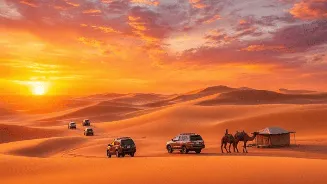
What makes this project a 'first-of-its-kind' is its special focus on a desert ecosystem and a combination of a day zoo with a drive-through night safari. This dual experience will allow visitors to see a wide range of animals during the day and then observe the fascinating world of nocturnal creatures in specially designed enclosures after sunset. The plan includes a day zoo and five dedicated night safari enclosures, offering a comprehensive look into the lives of desert fauna. This unique format is aimed at providing an immersive experience centered on the arid and semi-arid landscapes.
An Ark of Desert Dwellers
The zoological park is expected to be home to nearly 2,700 animals from 83 different species, showcasing the rich biodiversity of desert regions. The Indian desert species on display will include the chinkara, blackbuck, Indian wild ass, caracal, Indian wolf, and the Indian desert fox. Majestic animals like the Asiatic lion and leopard will also be part of the habitat. Beyond native species, the park will also host animals from other desert ecosystems across the globe. Visitors can expect to see African species like cheetahs, giraffes, zebras, and ostriches, as well as Australian fauna such as kangaroos, emus, and wallabies. This global collection will make it a truly international-standard wildlife destination.
Conservation and Tourism Hand-in-Hand
Officials have emphasized that the park is not just a tourist attraction but also a serious conservation effort. The project will serve as a centre for conservation breeding for endangered species, wildlife rescue and rehabilitation, and environmental education. By focusing on native desert species, it will play a crucial role in protecting the region's unique biodiversity. The park is also expected to significantly boost tourism in North Gujarat, complementing other popular destinations in the region like Vadnagar and Ambaji, creating a new and expanded tourism circuit.
A Sustainable and Modern Facility
To ensure the park is as green as the wildlife it protects, the project will incorporate several sustainable technologies. Plans include rainwater harvesting, a sewage treatment plant, solid waste management systems, and the use of solar energy. Visitor amenities are also a key focus, with proposals for an interpretation centre, a food court, souvenir shops, and even a reptile safari, a rainforest biome, an aquarium, and a butterfly park to enhance the visitor experience. These features are designed to make the park a comprehensive and engaging destination for all ages.