


A Success Story's Dilemma
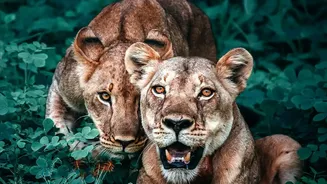
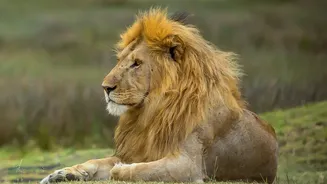
For over a century, the Gir landscape has been the sole sanctuary for the world's last wild population of Asiatic lions. Thanks to dedicated conservation efforts, their numbers have rebounded significantly, from a mere handful to a thriving population estimated
at over 890. This success, however, has created a precarious situation. The lions have begun to outgrow their protected home, spilling into surrounding villages and agricultural lands. This not only increases human-animal conflict but also makes the entire population vulnerable. Conservation scientists warn that a single catastrophic event, like a disease outbreak or a natural disaster, could devastate the species. The 2018 Canine Distemper Virus outbreak, which led to numerous lion deaths, served as a stark reminder of this danger.
Why Barda is the Chosen Ark
As part of 'Project Lion', a national conservation initiative launched in 2020, Barda Wildlife Sanctuary has been identified as a promising second home. Located in Gujarat's Saurashtra region, about 100 kilometres from Gir, the 192-square-kilometre sanctuary has a history with the big cats; lions roamed these hills until they vanished from the area around 1879. A recent study confirmed Barda's suitability, highlighting its favourable habitat, prey resources, and ecological conditions to support a long-term lion population. Lions have already started returning naturally. After a lone male dispersed to the sanctuary in early 2023, the Gujarat Forest Department augmented this by introducing five females to help re-establish a community. Today, a small population of 17 lions has begun to call Barda home.
Preparing a New Home
Making Barda a secure stronghold requires significant preparation. A recent study involving radio-collared lions found that the animals are already establishing territories and preferring the mixed forests and grasslands. Their primary diet currently consists of wild pigs, supplemented by some domestic cattle, which highlights the need to increase the wild prey base. To address this, authorities are undertaking extensive habitat improvement work, including restoring grasslands, removing invasive species, and reintroducing prey animals like spotted deer and sambar. Another crucial step is making the sanctuary free from human pressure. The Gujarat government has announced a compensation scheme offering Rs 15 lakh per family for the voluntary relocation of semi-nomadic pastoralist 'maldhari' communities living inside the sanctuary. This move aims to open up more exclusive space for wildlife and reduce potential conflict.
The Road Ahead: Challenges and Hopes
Establishing a second lion population is a complex, long-term endeavor. For years, the idea of translocation faced debate, including a long-standing Supreme Court directive to move some lions to Kuno National Park in Madhya Pradesh to create a geographically separate population. While that plan has faced political hurdles, the development of Barda as a second home within Gujarat is seen as a vital step forward. Experts believe this 'metapopulation' approach, where a species is managed across multiple, separate locations, is key to ensuring genetic diversity and resilience against extinction. The initial signs from Barda are promising, with lions adapting to their new environment. Continued management focusing on prey availability, habitat restoration, and conflict mitigation will be essential to transform Barda from a promising site into a true, thriving stronghold for India's iconic lions.