








Beyond the 'One-Size-Fits-All' Plate
For decades, we’ve been handed dietary advice meant for the masses. Eat less fat, cut down on carbs, count calories—these broad-stroke guidelines have been the foundation of public health. Yet, as many of us have discovered, they often deliver mixed results.
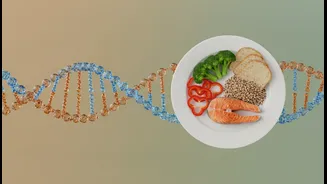
The reason is simple: our bodies are not all the same. Recent research has repeatedly shown that different people have varied metabolic responses to the exact same foods. This growing understanding has fuelled a powerful shift away from the one-size-fits-all model and toward personalised nutrition, an approach that tailors dietary recommendations to an individual's unique biological makeup.
Your Genes Are Not Your Destiny
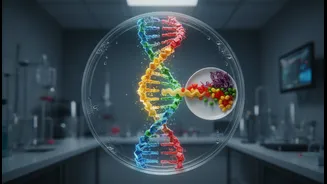
When people hear “personalised nutrition,” they often think of DNA-based diets. This field, known as nutrigenetics, studies how our specific genetic variations affect our response to nutrients. For example, your genes might influence how you metabolise caffeine or your predisposition to high cholesterol. While this information can offer a valuable starting point, it's not the complete story. The notion that your DNA provides a fixed instruction manual for the perfect diet is a myth. Many early studies on DNA-based diets for weight loss showed little to no advantage over traditional diets, partly because they focused on too few genes or for too short a time. Your genetics can highlight potential risks or advantages, but they don't operate in a vacuum. They are just one part of a much larger and more complex puzzle.
Listen to Your Gut
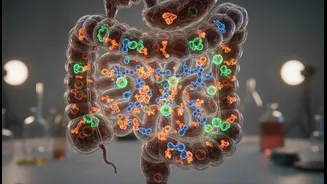
A more dynamic and influential factor in personal nutrition is your gut microbiome. This complex ecosystem of trillions of bacteria, fungi, and other microbes living in your digestive tract plays a crucial role in everything from nutrient absorption to immune function. Unlike your relatively stable genome, your gut microbiome can change based on diet, lifestyle, and environment. These microbes help digest food components that our bodies can't break down on their own, like certain fibres, and produce beneficial compounds in the process. What you eat directly feeds and shapes this internal community. This means you can actively influence your health by choosing foods that promote the growth of beneficial bacteria, making the microbiome a powerful and modifiable target for personalised nutrition.
The Rise of Real-Time Data
The most exciting frontier in personalised nutrition is arguably the integration of real-time data from technology. Wearable devices like smartwatches and continuous glucose monitors (CGMs) can now track metrics like sleep quality, activity levels, and how your blood sugar responds to a specific meal. When this data is analysed, often with the help of artificial intelligence (AI), it provides immediate, actionable feedback. An AI-powered app might notice your blood sugar spikes after your usual breakfast and suggest adding more protein or fibre. This approach transforms nutrition from a static plan based on your DNA into a dynamic, responsive system. It allows for continuous adjustments based on how your body is actually performing day to day, a level of personalisation that was previously unimaginable.
What It Means for Your Plate
So, what does this all mean for the future of how we eat? It doesn't mean you'll be getting a rigid, unchangeable diet plan spat out by a computer. Instead, imagine a more collaborative approach. You might start with genetic insights that reveal a potential issue with metabolising fats. You could then use a CGM to see how different fatty foods actually affect your blood sugar in real time. Your diet could be further fine-tuned to support a healthy gut microbiome, based on stool sample analysis. The future of nutrition is less about a single, deterministic answer and more about having a suite of tools that empower you and your healthcare provider to understand your body’s unique needs. It’s about making informed, flexible choices that evolve as you do.