






The Problem with Paddy
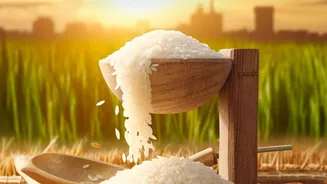
For decades, Punjab has been known as India's breadbasket, primarily due to its intensive cultivation of wheat and paddy (rice). This paddy-wheat cycle, a legacy of the Green Revolution, secured the nation's food supply but came at a severe environmental
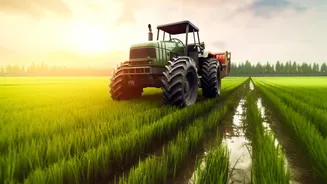
cost. The most alarming consequence is the catastrophic depletion of groundwater. Paddy is an incredibly water-intensive crop, requiring about 3,000 litres of water to produce just one kilogram of rice. As a result, farmers have been drilling deeper and deeper for water, with groundwater levels in some areas dropping from 12 metres to 21 metres deep in just a decade. Today, nearly 80% of Punjab's administrative blocks are classified as 'over-exploited' in terms of water resources. This relentless extraction has not only strained water availability for both farming and drinking but has also led to soil degradation and increased energy costs for farmers who must install expensive submersible pumps.
What is Crop Diversification?
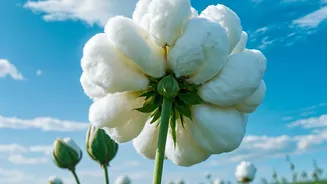
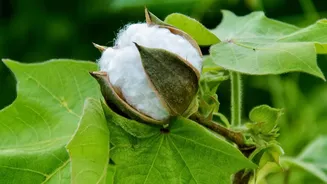
Crop diversification is the strategy of shifting from this dominant and damaging paddy-wheat monoculture to a wider variety of crops. The goal is to introduce less water-intensive alternatives that are better suited to Punjab's agro-climatic conditions. These alternatives include crops like maize (corn), cotton, basmati, pulses (like moong and arhar), and oilseeds. By encouraging farmers to cultivate these crops, the government aims to achieve several objectives simultaneously: conserve the plummeting groundwater table, improve soil health which has been damaged by repetitive nutrient extraction, and hopefully provide farmers with a stable and profitable income source. The effort isn't new; recommendations to diversify date back to the 1980s, but the crisis has now reached a tipping point, forcing more concerted action.
The 80,000-Hectare Figure in Context
The 80,000-hectare figure often appears in discussions about Punjab's diversification targets for specific crops in a given year, such as cotton or maize. For instance, recent government schemes have aimed to bring around 20,000 hectares under maize cultivation with financial incentives. However, it's crucial to see this number in the larger context. Punjab has a total kharif (summer crop) cultivation area of roughly 3.6 million hectares. As of 2026, paddy alone covers a record 3.27 million hectares, accounting for over 90% of the area. So, while diversifying 80,000 hectares is a significant effort, it represents a small fraction—just over 2%—of the total area under paddy. This highlights the immense scale of the challenge. The area for crops like cotton and maize has actually seen a decline in recent years, making every hectare successfully shifted a hard-won victory.
Hurdles on the Road to Change
If diversification is so essential, why isn't every farmer making the switch? The reasons are primarily economic and structural. The current system heavily favours the paddy-wheat cycle. Farmers are guaranteed a Minimum Support Price (MSP) and assured procurement by government agencies for these two crops, providing a level of financial security that alternative crops lack. For crops like maize or pulses, market prices can be volatile, and government procurement is not as robust, leaving farmers at risk. Furthermore, there is a lack of infrastructure, such as cold storage for perishable horticultural crops and efficient market linkages for new produce. Decades of specialisation in paddy and wheat mean the entire ecosystem, from farmer knowledge to machinery and market habits, is built around them. Shifting requires a change in mindset and overcoming a significant profitability gap.