






Beyond the 'Superfood' Tag
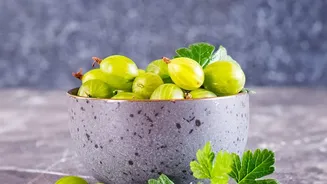
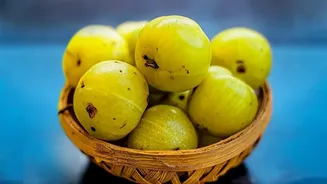
For generations, amla, or the Indian gooseberry, has been presented as a powerhouse of nutrition, celebrated in Ayurveda and recommended by elders for its immense health benefits. It's famously one of the richest natural sources of Vitamin C, packed with
antioxidants that support everything from immunity to skin health. But this reputation often overshadows a simple fact: amla is also a fruit. A very, very sour fruit. Its intense tartness and astringent notes can make eating it raw a memorable, if not entirely pleasant, experience. The conversation around amla often gets stuck on its medicinal properties, treating it as a pill to be swallowed for good health. This approach misses the joy of amla as a versatile culinary ingredient. By shifting the focus from 'cures' to 'cooking', we can unlock its potential and find delicious ways to bring it to the dining table, not just the medicine cabinet.
The Sweet Solution: Amla Murabba and Candy
The most traditional way to tame amla's formidable sourness is with sweetness. Amla Murabba is a classic example, a glistening preserve where whole gooseberries are softened and steeped in a sugary syrup. The process, which often involves boiling or steaming the amla first and then slowly cooking it in sugar or jaggery syrup, transforms the fruit. The sugar not only counters the tartness but also acts as a preservative, making it a year-round treat. For a chewier alternative, Amla Candy offers a similar sweet-sour experience. After being boiled and deseeded, amla segments are soaked in sugar and then sun-dried until they achieve a pleasant, chewy texture. Both murabba and candy turn amla from a sharp, acidic fruit into a delightful, dessert-like condiment that can be enjoyed after meals.
The Salty Approach: Brining and Pickling
Salt is another powerful tool for balancing amla's flavour profile. Simply brining amla in salt water is one of the easiest and healthiest ways to prepare it. The process involves soaking boiled or raw amla in warm, salted water, sometimes with a few slit green chillies for a mild kick. Over a few days, the amla absorbs the salt, its harsh tartness mellows, and it develops a pleasant, tangy flavour. For those who prefer a more robust taste, Amla Achar, or pickle, is the perfect answer. Here, boiled amla segments are mixed with salt, oil, and a blend of spices like mustard seeds, fenugreek, and chilli powder. The salt draws out moisture and helps preserve the pickle, while the spices and oil create a complex, fiery condiment that pairs perfectly with rice, parathas, and curd rice.
The Spicy and Tangy Route: Chutneys and Launjis
When you want to embrace amla’s tang rather than completely mask it, chutneys are the way to go. An amla chutney typically blends raw or lightly sautéed amla with fresh coriander, mint, green chillies, garlic, and a pinch of salt. The result is a vibrant, fresh-tasting condiment where amla’s sourness is balanced by the fresh herbs and the heat of the chillies. Another popular preparation is Amla Launji, a North Indian sweet and spicy chutney. In this dish, amla is cooked with jaggery and a tempering of spices like fennel, nigella, and fenugreek seeds. It strikes a beautiful balance between sweet, sour, and spicy, creating a jam-like relish that can elevate any meal. These preparations are quick to make and celebrate amla's natural flavour profile.
Incorporating Amla in Everyday Cooking
You don't always need a special recipe to enjoy amla. It can be subtly integrated into daily meals. Grating a small amount of fresh amla into salads or raita can add a refreshing zing. Amla can also be added to dal while it cooks; the fruit softens and infuses the lentils with a gentle sourness, much like tamarind would. For a simple health drink, you can juice a few amlas and dilute it with water. To balance the flavour, a pinch of black salt and pepper can be added, or even a spoonful of honey for a sweeter touch. These methods allow you to benefit from its nutritional properties without making it the star of the show, making it a sustainable part of a balanced diet rather than a short-lived health fad.