

The Allure of the Forever Pan
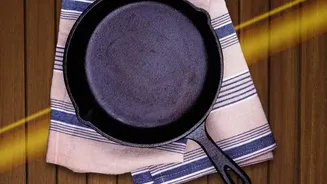
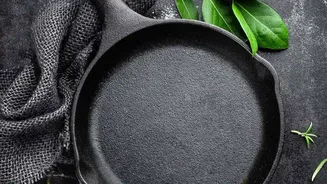
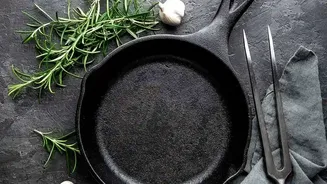
There’s no denying the recent surge in popularity of cast-iron cookware. It has become a symbol of a return to traditional, durable kitchen tools, with a rustic charm that looks great on the stove and on Instagram. Part of the appeal is its incredible
longevity; these are pans that can be passed down through generations, developing a unique character with age. This idea of a “forever pan” resonates with consumers looking for sustainable alternatives to disposable non-stick cookware. Chefs and home cooks alike have driven this revival, celebrating the pan's versatility on stovetops, in ovens, and even over campfires. But owning one and truly understanding it are two different things. Without knowing how to use it, that trendy pan can quickly become a rusty, sticky frustration.
The Science of the Superior Sear
What makes cast iron so special comes down to physics. Its key characteristic is exceptionally high heat retention. Because cast iron is dense and heavy, it has a high thermal mass, meaning it absorbs a lot of heat and releases it slowly and evenly. While it heats up slower than, say, an aluminum pan, once it's hot, it stays hot. This is crucial for searing. When you place a cool piece of food like a steak into a hot pan, other materials might lose temperature rapidly, resulting in steaming rather than searing. A cast-iron skillet, however, maintains its high heat, creating that coveted deep brown crust through the Maillard reaction. This ability to store and radiate intense, consistent heat is what makes it a culinary powerhouse.
The Perfect Culinary Partnership
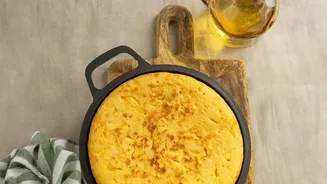
To unlock the potential of your cast-iron pan, you need to give it jobs it excels at. Think high-heat cooking that benefits from a stellar crust. This is the go-to pan for searing steaks, pork chops, and burgers. The sustained heat creates an unmatched exterior while keeping the inside juicy. It’s also brilliant for dishes that start on the stovetop and finish in the oven, like a whole roasted chicken nestled on a bed of potatoes or a thick frittata. The pan’s even heat makes it ideal for baking, producing cornbread, skillet cookies, and biscuits with perfectly crisp edges and a tender crumb. Fried chicken becomes wonderfully crispy, and vegetables like potatoes, broccoli, and Brussels sprouts get a beautiful char and caramelization.
When to Reach for Another Pan
Equally important is knowing what not to cook in cast iron, especially if your pan is new or not perfectly seasoned. Highly acidic foods are the primary culprit. Long-simmering tomato sauces, wine reductions, or dishes with a lot of citrus can react with the metal, potentially stripping the pan’s seasoning and imparting a metallic taste to your food. Delicate fish fillets can be a problem, as they are prone to sticking to any surface that isn’t flawlessly non-stick. Very sticky foods, like eggs, can also be a challenge until your pan has built up a thick, slick layer of seasoning over time. Finally, because the pan is porous and the seasoning is fat-based, it can absorb strong aromas from things like garlic or certain types of fish, which might linger and flavor the next dish you cook.