





Why Your Skin's Needs Aren't Fixed
Your skin is a dynamic organ that responds to both internal and external environments. Factors like changing seasons, humidity, and pollution can significantly alter its state. For instance, the high humidity of summer can increase oil production, while
the dry air of winter can strip moisture, leaving skin tight and flaky. Internal factors also play a massive role. Hormonal shifts during a menstrual cycle or menopause can lead to breakouts or increased dryness. Even stress and diet can manifest on your face. This is why a routine that gave you a perfect glow in December might feel heavy or ineffective by May. The goal isn't to constantly buy new products, but to develop a flexible strategy that adapts to your skin's current condition.
Decoding Skin Texture
When we talk about skin texture, we're referring to how the skin's surface feels. Ideally, it's smooth and soft. However, issues like a buildup of dead skin cells, sun damage, or clogged pores can lead to unevenness. Signs of a texture problem include roughness, tiny bumps (closed comedones), flakiness, or enlarged pores. These issues can make makeup apply unevenly and can give the skin a dull appearance. To address texture, gentle exfoliation is often the first step. Chemical exfoliants like alpha-hydroxy acids (AHAs) and beta-hydroxy acids (BHAs) are effective at dissolving the 'glue' that holds dead skin cells to the surface. Ingredients like glycolic acid, lactic acid (both AHAs), and salicylic acid (a BHA) can help smooth the skin, clear out pores, and promote a brighter complexion.
The Difference Between Dry and Dehydrated
Understanding the difference between dry and dehydrated skin is crucial because they require different solutions. Dry skin is a 'type' you are born with, characterized by a lack of natural oil (sebum). It often feels rough and can be prone to flaking. Dehydrated skin, on the other hand, is a 'condition' where the skin lacks water. This can happen to any skin type, even oily skin. Signs of dehydration include tightness, dullness, and more visible fine lines. A simple way to check is the 'pinch test': gently pinch a small amount of skin on your cheek. If it bounces back quickly, you're likely hydrated; if it takes a moment to return to normal, you may be dehydrated.
How to Boost Hydration
If your skin is dehydrated (lacking water), you need to add ingredients that attract and hold moisture. These are known as humectants. Look for serums and moisturisers containing hyaluronic acid, which is a powerhouse ingredient that can hold many times its weight in water. Glycerin is another excellent and common humectant that draws moisture into the skin. For best results, apply hydrating serums to damp skin and immediately follow with a moisturiser to lock everything in. If your skin is dry (lacking oil), you need emollients and occlusives. Emollients like shea butter and plant oils (jojoba, rosehip) help soften the skin, while occlusives create a protective barrier to prevent moisture loss. Ingredients like ceramides are fantastic for both, as they repair the skin's natural barrier.
Making Strategic Swaps
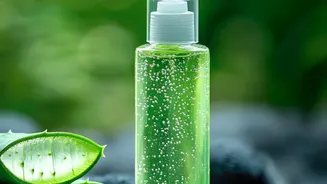
You don't need to overhaul your entire routine. Small, strategic swaps are often most effective. In humid weather, you might switch from a heavy cream moisturiser to a lightweight gel-based one. If your skin feels rough and congested, consider introducing an exfoliating toner or serum two to three times a week. If you notice increased fine lines and a feeling of tightness, add a hyaluronic acid serum before your moisturiser. For those with oily skin who find themselves getting shinier in the heat, ingredients like niacinamide can help regulate oil production and improve texture. Always introduce new active ingredients slowly to see how your skin reacts, and remember that consistency is key to seeing results.