


What Are GLP-1s, Really?
Let’s break it down simply. GLP-1 stands for Glucagon-like peptide-1. It’s a hormone your own gut naturally produces after you eat. Its job is to send signals to your body and brain. It tells your pancreas to release insulin to manage blood sugar, tells your stomach
to slow down, and, crucially, tells your brain that you’re feeling full. Medications known as GLP-1 agonists are synthetic versions of this hormone. They are designed to mimic the natural hormone but are much more powerful and last longer in your system. Originally created to treat Type 2 diabetes, their profound effect on appetite and weight loss has brought them into mainstream conversation.
The Silencing of 'Food Noise'
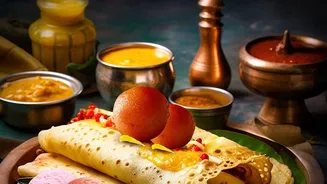
One of the most significant effects reported by users is the quieting of “food noise.” This term describes the constant, intrusive thoughts about food that many people experience. It's the mental chatter about your next meal while you’re still eating, the sudden craving for a hot samosa on your way home, or the debate in your head about whether to have that piece of jalebi. GLP-1 medications act on the reward centres in your brain, essentially turning down the volume on this noise. Food becomes less of a constant thought and more of a conscious choice, driven by actual hunger rather than cravings or habit. For many, this mental silence is the most liberating aspect of the treatment.
How Your Cravings Actually Change
It’s not just about eating less; it’s about wanting different things. Studies and user reports show a significant shift in food preferences. People on these medications often report a reduced desire for high-fat, high-sugar, and ultra-processed foods. The appeal of rich, greasy, or intensely sweet items diminishes. In an Indian context, this could mean finding a creamy butter chicken less appealing, feeling satisfied with just one gulab jamun instead of three, or losing the urge for fried pakoras during monsoon. Some people even report that foods taste different, with sweetness becoming overpowering. The brain's dopamine response to these foods is blunted, so they no longer provide the same rewarding feeling.
Navigating the Indian Thali and Social Eating
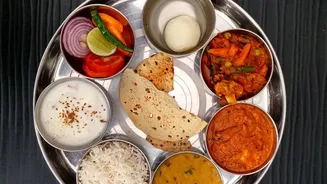
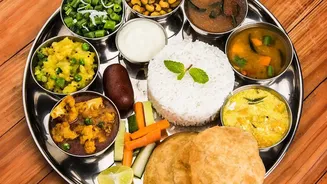
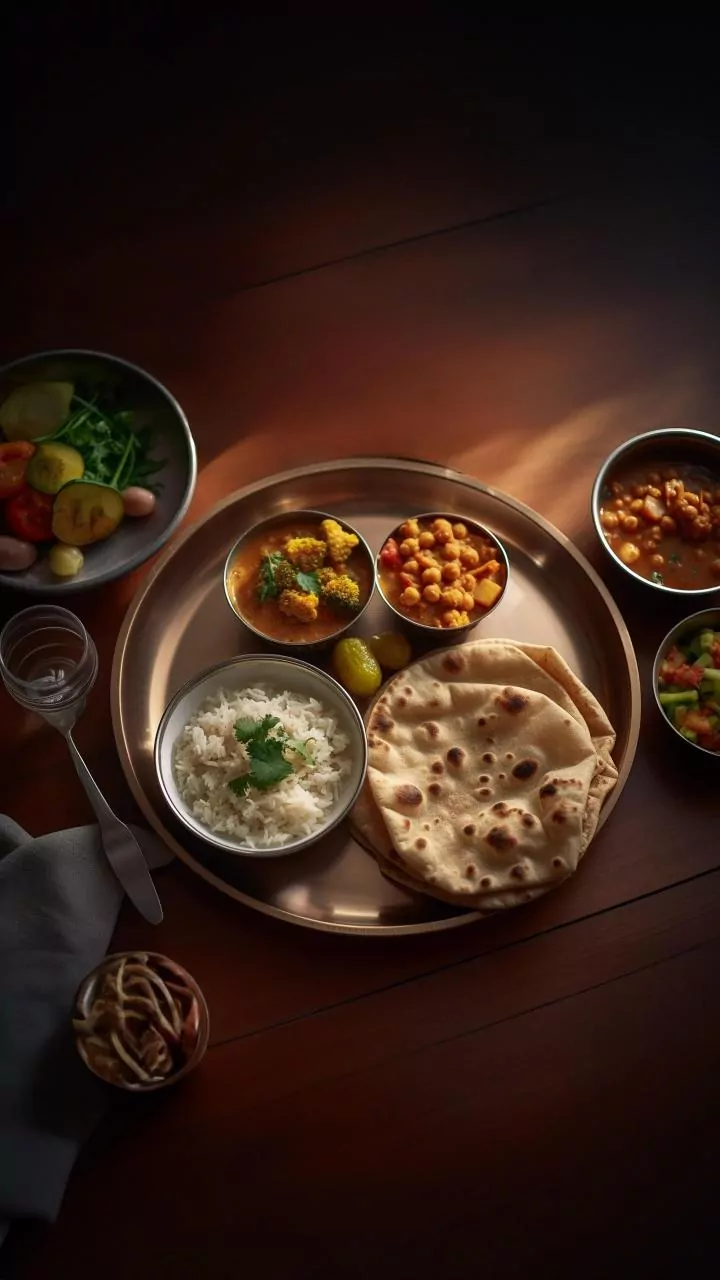
This change in food behaviour presents unique challenges in India, where eating is deeply communal. A typical Indian meal, or thali, is often carbohydrate-heavy with rice, rotis, and dal. On GLP-1s, feeling full happens much faster, meaning portion sizes have to shrink dramatically. Users report going from four chapatis to just one or two. This can be socially awkward at family gatherings or festivals, where refusing food is often seen as impolite. Since appetite is suppressed, it also becomes critical for those on the medication, especially vegetarians, to focus on protein density from sources like paneer, dal, and soya to avoid nutritional deficiencies and muscle loss.
Availability, Cost, and Side Effects in India
Several GLP-1 medications are available in India, including those with the active ingredients semaglutide and liraglutide, under brand names like Ozempic, Rybelsus and Wegovy. Following a patent expiry in March 2026, a number of more affordable generic versions have also entered the market, making these treatments more accessible. However, they are all Schedule H drugs, meaning they require a prescription from a specialist like an endocrinologist or cardiologist and should only be used under strict medical supervision. Common side effects are mostly gastrointestinal, including nausea, vomiting, and constipation, especially when starting the medication or increasing the dose. These effects usually lessen as the body adjusts.