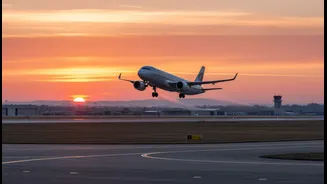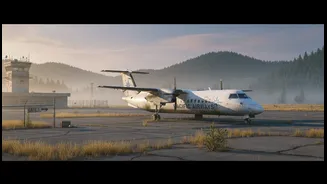






The Dream of Flying for the Common Indian
Launched in 2016, the Ude Desh ka Aam Nagrik (UDAN) scheme was revolutionary. Its goal was simple yet audacious: connect India’s vast, underserved regions and make air travel accessible to everyone. The government subsidised airlines to operate on commercially
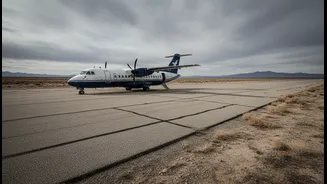
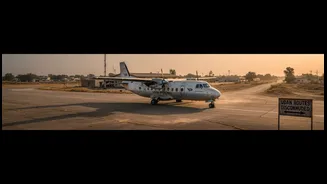
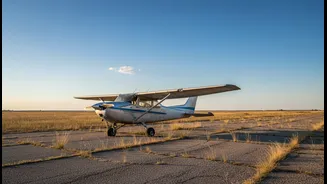
unviable routes, capping fares on many seats at around ₹2,500 for a one-hour flight. This Viability Gap Funding (VGF) was designed to kickstart services to remote towns, hoping they would eventually become self-sustaining. The vision was to take flying from a luxury for the few to a viable option for the many, boosting local economies, tourism, and connecting families. In a country with hundreds of unused airstrips, UDAN promised to turn them into gateways of opportunity.
Turbulence and Route Discontinuation
Recent reports paint a concerning picture. As of early 2026, nearly half of the 669 routes operationalised under UDAN have been discontinued. According to government data, 327 out of 663 routes were no longer active by February 2026. The reasons are a complex mix of economic and operational challenges. For many routes, passenger demand remained too low to make them profitable once the initial three-year subsidy period ended. Airlines, operating on thin margins, found it impossible to continue without state support. Other issues included a lack of airport readiness, with some airstrips needing significant upgrades, aircraft shortages, and global supply chain disruptions. This reality check highlights the immense difficulty of sustaining air links to remote and commercially challenging destinations.
The Enduring Legacy of Affordability
This is where the headline's 'useful angle' comes into sharp focus. While the operational failures are real and need addressing, the scheme's greatest success lies in its cultural impact. UDAN has successfully embedded the idea of affordable air travel into the national psyche. It democratised the skies, giving millions their first taste of flying and shifting the baseline for what citizens expect from their transport infrastructure. The scheme has facilitated travel for over 16.6 million passengers since its launch, a testament to the latent demand it unlocked. Even with discontinued routes, the conversation is no longer about if small towns should be connected, but how to make it sustainable. The expectation of low-cost regional flights is now a permanent fixture in India's political and social landscape.
A Necessary Course Correction: Viksit UDAN
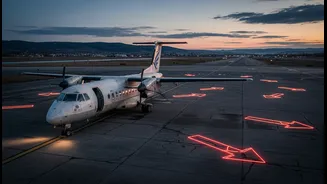
The government isn't abandoning the project; it's doubling down with a revamped strategy. Acknowledging the shortcomings, the new 'Viksit UDAN' phase was approved in March 2026 with a massive outlay of nearly ₹29,000 crore over the next decade. This new iteration aims to correct past mistakes by extending the subsidy period from three to five years, providing more robust support for airlines. There's also a renewed focus on building infrastructure, with plans to develop 100 new aerodromes and 200 modern helipads. This isn't just about funding flights; it's about building a durable ecosystem for regional aviation. The goal is to make the routes viable in the long run, moving beyond temporary financial props to create a truly connected India.